
Sample Papers
Previous Year Papers
Syllabus
EXAM SYLLABUS
The syllabus is structured around the four sections, drawing from standard 12th-level topics. Below is a subject-wise breakdown based on official patterns from past notifications and consistent across reliable sources.
Section/s | Name of the section | Difficulty Level | Weightage |
Section A | General Intelligence and Reasoning | 12th Level | 25 Questions |
Section B | General Knowledge and Awareness | 12th Level | 25 Questions |
Section C | Elementary Mathematics | 12th Level | 25 Questions |
Section D | English/Hindi | 12th Level | 25 Questions |
Section A: General Intelligence and Reasoning
This section tests logical reasoning, analytical ability, and problem-solving. Topics include:
Analogies and similarities/differences.
Spatial visualization and orientation.
Visual memory and discrimination.
Observation and relationship concepts.
Arithmetical reasoning and figural classification.
Arithmetic number series, non-verbal series.
Coding and decoding.
Statement-conclusion, syllogistic reasoning.
Semantic analogy, symbolic/number analogy.
Figural pattern folding and completion.
Embedded figures, critical thinking.
Emotional intelligence.
Section B: General Knowledge and Awareness
Focuses on current events, general science, and socio-economic awareness. Topics include:
Current affairs (national and international).
History of India (ancient, medieval, modern, freedom struggle).
Geography (physical, economic, social; Indian and world).
Indian Polity and Constitution (governance, rights, amendments).
Economy (basic concepts, budget, banking, finance).
General Science (physics, chemistry, biology; inventions, discoveries).
Environment and ecology.
Sports, awards, books, authors.
Culture and arts (Indian heritage, festivals).
Important dates, schemes, and government policies.
Section C: Elementary Mathematics
Emphasizes basic mathematical operations and quantitative skills. Topics include:
Number systems (whole numbers, decimals, fractions).
Fundamental arithmetical operations (addition, subtraction, multiplication, division).
Percentages, ratio and proportion.
Averages, interest (simple and compound).
Profit and loss, discount.
Time and distance, time and work.
Mensuration (area, volume, perimeter of shapes like triangles, circles, rectangles).
Algebra (basic equations, polynomials).
Geometry (lines, angles, triangles, congruence).
Statistics (mean, median, mode, graphs).
Use of tables and graphs.
Section D: English/Hindi
Candidates select either English or Hindi. This tests basic language proficiency, comprehension, and vocabulary.
English:
Comprehension passages.
Synonyms, antonyms, homonyms.
Fill in the blanks, error spotting.
Sentence improvement, rearrangement.
Idioms and phrases.
One-word substitution.
Active/passive voice, direct/indirect speech.
Spelling/detecting misspelled words.
Cloze test.
Hindi:
Vocabulary (Word stock, Synonyms, Antonyms).
Grammar (Sandhi [Word joining/Conjunction of letters], Samas [Compound words], Alankar [Figures of speech/Poetic devices], Muhavare [Idioms], Lokoktiyan [Proverbs]).
Sentence Structure and Improvement.
Comprehension of Prose Passage (or Passage-based understanding).
Error Correction (or Spotting/Rectifying errors).
One Word Substitution (for phrases/sentences).
Gender, Number, Case (Ling [Gender], Vachan [Number], Karak [Case]).
Unseen Prose Passage (or Comprehension of unseen passage).
EXAM SYLLABUS
The syllabus is structured around the four sections, drawing from standard 12th-level topics. Below is a subject-wise breakdown based on official patterns from past notifications and consistent across reliable sources.
Section/s | Name of the section | Difficulty Level | Weightage |
Section A | General Intelligence and Reasoning | 12th Level | 25 Questions |
Section B | General Knowledge and Awareness | 12th Level | 25 Questions |
Section C | Elementary Mathematics | 12th Level | 25 Questions |
Section D | English/Hindi | 12th Level | 25 Questions |
Section A: General Intelligence and Reasoning
This section tests logical reasoning, analytical ability, and problem-solving. Topics include:
Analogies and similarities/differences.
Spatial visualization and orientation.
Visual memory and discrimination.
Observation and relationship concepts.
Arithmetical reasoning and figural classification.
Arithmetic number series, non-verbal series.
Coding and decoding.
Statement-conclusion, syllogistic reasoning.
Semantic analogy, symbolic/number analogy.
Figural pattern folding and completion.
Embedded figures, critical thinking.
Emotional intelligence.
Section B: General Knowledge and Awareness
Focuses on current events, general science, and socio-economic awareness. Topics include:
Current affairs (national and international).
History of India (ancient, medieval, modern, freedom struggle).
Geography (physical, economic, social; Indian and world).
Indian Polity and Constitution (governance, rights, amendments).
Economy (basic concepts, budget, banking, finance).
General Science (physics, chemistry, biology; inventions, discoveries).
Environment and ecology.
Sports, awards, books, authors.
Culture and arts (Indian heritage, festivals).
Important dates, schemes, and government policies.
Section C: Elementary Mathematics
Emphasizes basic mathematical operations and quantitative skills. Topics include:
Number systems (whole numbers, decimals, fractions).
Fundamental arithmetical operations (addition, subtraction, multiplication, division).
Percentages, ratio and proportion.
Averages, interest (simple and compound).
Profit and loss, discount.
Time and distance, time and work.
Mensuration (area, volume, perimeter of shapes like triangles, circles, rectangles).
Algebra (basic equations, polynomials).
Geometry (lines, angles, triangles, congruence).
Statistics (mean, median, mode, graphs).
Use of tables and graphs.
Section D: English/Hindi
Candidates select either English or Hindi. This tests basic language proficiency, comprehension, and vocabulary.
English:
Comprehension passages.
Synonyms, antonyms, homonyms.
Fill in the blanks, error spotting.
Sentence improvement, rearrangement.
Idioms and phrases.
One-word substitution.
Active/passive voice, direct/indirect speech.
Spelling/detecting misspelled words.
Cloze test.
Hindi:
Vocabulary (Word stock, Synonyms, Antonyms).
Grammar (Sandhi [Word joining/Conjunction of letters], Samas [Compound words], Alankar [Figures of speech/Poetic devices], Muhavare [Idioms], Lokoktiyan [Proverbs]).
Sentence Structure and Improvement.
Comprehension of Prose Passage (or Passage-based understanding).
Error Correction (or Spotting/Rectifying errors).
One Word Substitution (for phrases/sentences).
Gender, Number, Case (Ling [Gender], Vachan [Number], Karak [Case]).
Unseen Prose Passage (or Comprehension of unseen passage).
Format
EXAM PATTERN
The written examination for CISF Constable (Fireman) is conducted in OMR-based or Computer-Based Test (CBT) mode, making it fully digital or sheet-based depending on the setup. The paper is bilingual (available in both English and Hindi languages, except for the language section itself) and is set at an intermediate level equivalent to 12th standard (especially focusing on basic science-related concepts where applicable).
Key highlights of the exam format include:
Mode: Online CBT or OMR sheet (as specified by CISF).
Question Type: All Multiple Choice Questions (MCQs) with four options each.
Total Questions and Marks: 100 questions carrying a total of 100 marks (each correct answer awards 1 mark).
Duration: 120 minutes (2 hours) to complete the entire paper.
Negative Marking: None — you can attempt all questions without fear of deduction for wrong answers, encouraging maximum attempts.
Sections: The question paper is divided into 4 equal parts, each containing 25 questions worth 25 marks:
General Intelligence and Reasoning
General Knowledge and Awareness
Elementary Mathematics
English or Hindi (candidates choose one language for this section)
Part | Subject | No. of Questions | Maximum Marks | Duration |
Part A | Generral Intelligence & Reasoning | 25 | 25 | 120 Minutes |
Part B | General Knowledge & Awareness | 25 | 25 | |
Part C | Elementary Matematics | 25 | 25 | |
Part D | English/Hindi | 25 | 25 |
Qualifying Marks: There are minimum qualifying percentages to proceed to the next stage (medical examination and final merit). These are 35% for UR/EWS/Ex-Servicemen categories and 33% for SC/ST/OBC categories (i.e., at least 35 or 33 marks out of 100, respectively). Note that qualifying these minimums is essential, but final selection depends on merit (higher written exam scores rank better in the merit list, subject to vacancies and category reservations). There are no sectional cut-offs; only the overall score matters.
EXAM PATTERN
The written examination for CISF Constable (Fireman) is conducted in OMR-based or Computer-Based Test (CBT) mode, making it fully digital or sheet-based depending on the setup. The paper is bilingual (available in both English and Hindi languages, except for the language section itself) and is set at an intermediate level equivalent to 12th standard (especially focusing on basic science-related concepts where applicable).
Key highlights of the exam format include:
Mode: Online CBT or OMR sheet (as specified by CISF).
Question Type: All Multiple Choice Questions (MCQs) with four options each.
Total Questions and Marks: 100 questions carrying a total of 100 marks (each correct answer awards 1 mark).
Duration: 120 minutes (2 hours) to complete the entire paper.
Negative Marking: None — you can attempt all questions without fear of deduction for wrong answers, encouraging maximum attempts.
Sections: The question paper is divided into 4 equal parts, each containing 25 questions worth 25 marks:
General Intelligence and Reasoning
General Knowledge and Awareness
Elementary Mathematics
English or Hindi (candidates choose one language for this section)
Part | Subject | No. of Questions | Maximum Marks | Duration |
Part A | Generral Intelligence & Reasoning | 25 | 25 | 120 Minutes |
Part B | General Knowledge & Awareness | 25 | 25 | |
Part C | Elementary Matematics | 25 | 25 | |
Part D | English/Hindi | 25 | 25 |
Qualifying Marks: There are minimum qualifying percentages to proceed to the next stage (medical examination and final merit). These are 35% for UR/EWS/Ex-Servicemen categories and 33% for SC/ST/OBC categories (i.e., at least 35 or 33 marks out of 100, respectively). Note that qualifying these minimums is essential, but final selection depends on merit (higher written exam scores rank better in the merit list, subject to vacancies and category reservations). There are no sectional cut-offs; only the overall score matters.
Eligibility
ELIGIBILITY CRITERIA
Candidates must be male Indian citizens only. They need to have passed Class 12th (or equivalent) from a recognized board, preferably with a science subject, on or before the application closing date. The age limit is 18 to 23 years as on the specified cutoff date, with relaxations of 5 years for SC/ST, 3 years for OBC, and additional for ex-servicemen and other categories per government norms.
Nationality / Citizenship Only male Indian citizens are eligible to apply. Candidates must be citizens of India.
Educational Qualification Candidates must have passed Class 12th (Intermediate / 10+2 or equivalent examination) from a recognized Board or University. It is preferable (but not mandatory) to have studied Science subjects in Class 12th. The qualification must be obtained on or before the closing date of online application submission.
Age Limit The age of candidates should be between 18 and 23 years as on the cutoff date mentioned in the official notification.
Important Note on Date of Birth: The date of birth entered in the online application form must exactly match the one recorded in the candidate’s Matriculation / SSLC / Class 10th certificate or equivalent document. No request for any change or correction in the date of birth will be entertained at any stage. Any discrepancy between the application details and the supporting certificate will result in the disqualification of the candidate.
Age relaxation is provided as per government rules:
5 years for SC/ST candidates
3 years for OBC candidates
Additional relaxations for ex-servicemen and other eligible categories as notified.
RELAXATION IN UPPER AGE LIMIT
CATEGORY | AGE RELAXATION |
SC/ST | 5 Years |
OBC | 3 Years |
Ex-Serviceman | 3 Years after deduction of military service rendered from actual age |
Central Government Servants | Who have rendered at least 3 years continous services are eligible upto the age of 40 years for UR, EWS, OBC, and 45 Years for SC/ST |
Widow, Diovorced or Equivalent | Upto the age of 35 years for UR, EWS, OBC, and 40 years for SC/ST |
Children & Dependent of Victims in riots of 2002 in Gujrat UR & EWS | 5 Years |
Children & Dependent of Victims in riots of 2002 in Gujrat OBC | 8Years |
Children & Dependent of Victims in riots of 2002 in Gujrat SC/ST | 10 Years |
ELIGIBILITY CRITERIA
Candidates must be male Indian citizens only. They need to have passed Class 12th (or equivalent) from a recognized board, preferably with a science subject, on or before the application closing date. The age limit is 18 to 23 years as on the specified cutoff date, with relaxations of 5 years for SC/ST, 3 years for OBC, and additional for ex-servicemen and other categories per government norms.
Nationality / Citizenship Only male Indian citizens are eligible to apply. Candidates must be citizens of India.
Educational Qualification Candidates must have passed Class 12th (Intermediate / 10+2 or equivalent examination) from a recognized Board or University. It is preferable (but not mandatory) to have studied Science subjects in Class 12th. The qualification must be obtained on or before the closing date of online application submission.
Age Limit The age of candidates should be between 18 and 23 years as on the cutoff date mentioned in the official notification.
Important Note on Date of Birth: The date of birth entered in the online application form must exactly match the one recorded in the candidate’s Matriculation / SSLC / Class 10th certificate or equivalent document. No request for any change or correction in the date of birth will be entertained at any stage. Any discrepancy between the application details and the supporting certificate will result in the disqualification of the candidate.
Age relaxation is provided as per government rules:
5 years for SC/ST candidates
3 years for OBC candidates
Additional relaxations for ex-servicemen and other eligible categories as notified.
RELAXATION IN UPPER AGE LIMIT
CATEGORY | AGE RELAXATION |
SC/ST | 5 Years |
OBC | 3 Years |
Ex-Serviceman | 3 Years after deduction of military service rendered from actual age |
Central Government Servants | Who have rendered at least 3 years continous services are eligible upto the age of 40 years for UR, EWS, OBC, and 45 Years for SC/ST |
Widow, Diovorced or Equivalent | Upto the age of 35 years for UR, EWS, OBC, and 40 years for SC/ST |
Children & Dependent of Victims in riots of 2002 in Gujrat UR & EWS | 5 Years |
Children & Dependent of Victims in riots of 2002 in Gujrat OBC | 8Years |
Children & Dependent of Victims in riots of 2002 in Gujrat SC/ST | 10 Years |
Schedule
IMPORTANT DATES
As of now, there is no official update or notification for CISF Constable (Fireman) recruitment for 2026. The CISF Constable/Fire (Fireman) 2024 recruitment (1130 vacancies) had its notification released on August 21, 2024, with online applications accepted from August 31 to September 30, 2024. The PET/PST/DV stage was completed from December 24, 2024, to January 20, 2025, after admit cards were issued on December 16, 2024. The written examination is still pending and expected around March 2026 (though no official date has been confirmed yet on the CISF portal as of February 18, 2026).
EVENTS | DATES |
Opening date of application | To be announced |
Closing date for Submission of Application | To be announced |
Application Correction Window | To be announced |
Admit Card | To be announced |
Exam Date | March 2026 for 2024 Recruitment Cycle |
Answer Key Release Date | To be announced |
Result Date | To be announced |
IMPORTANT DATES
As of now, there is no official update or notification for CISF Constable (Fireman) recruitment for 2026. The CISF Constable/Fire (Fireman) 2024 recruitment (1130 vacancies) had its notification released on August 21, 2024, with online applications accepted from August 31 to September 30, 2024. The PET/PST/DV stage was completed from December 24, 2024, to January 20, 2025, after admit cards were issued on December 16, 2024. The written examination is still pending and expected around March 2026 (though no official date has been confirmed yet on the CISF portal as of February 18, 2026).
EVENTS | DATES |
Opening date of application | To be announced |
Closing date for Submission of Application | To be announced |
Application Correction Window | To be announced |
Admit Card | To be announced |
Exam Date | March 2026 for 2024 Recruitment Cycle |
Answer Key Release Date | To be announced |
Result Date | To be announced |
Analysis
EXAM ANALYSIS
Based on the last conducted written exam in 2023 (September 26, Shift 1), which follows a similar pattern to the ongoing 2024 cycle, the upcoming 2026 exam is expected to maintain the same format: 100 MCQs, 100 marks, 2 hours, no negative marking, and four sections.
Overall, the 2023 exam was easy to moderate, with good attempts around 77-84 out of 100. This suggests the 2026 paper will likely be balanced, testing basic 12th-level knowledge, but with a focus on speed due to the time limit. Difficulty may vary by shift, but trends show Reasoning and Math as more approachable, while GK requires current affairs prep.
Section-Wise Breakdown and Difficulty (Based on 2023)
General Intelligence & Reasoning: Easy to moderate, good attempts 20-22. Topics like analogies (4 questions), coding-decoding (3-4), mathematical operations (3-4), and blood relations (2) dominated. For 2026, expect logical puzzles and series—practice for quick solving.
General Knowledge & Awareness: Moderate, good attempts 18-20. Heavily featured current affairs (6-7 from 2022 events), polity (2-3, e.g., Articles 14/19), history (1-2, Mughal era), and science (2-3). Insights: 2026 may emphasize recent 2025-2026 events, so track news on schemes, awards, and geography.
Elementary Mathematics: Easy to moderate, good attempts 19-21. Questions on percentages (6-7), simplification (4), time & work (3-4), and SI/CI (2). Basic arithmetic was key—2026 likely similar, with no advanced calculus; focus on formulas and speed.
English/Hindi: Moderate, good attempts 20-22. Hindi-focused on grammar like karak (3), synonyms/antonyms (3-4), sandhi/samas (2-3), and idioms (2). For 2026, build vocabulary and error-spotting skills; choose your stronger language early.
Cut-Off Trends and Expectations for 2026
Minimum qualifying marks remain consistent: 35% for UR/EWS/Ex-SM (35/100) and 33% for OBC/SC/ST (33/100). Based on 2023/2024 expected trends, merit cut-offs for final selection (category-wise) were around General: 50-60, OBC/EWS: 45-55, SC/ST: 40-50. No state-wise data available, but for Uttar Pradesh candidates like you in Kanpur, competition is high due to large applicant pools—aim for 70+ to be safe. Factors like vacancies (e.g., 1130 in 2024) and paper difficulty influence this; easier papers raise cut-offs. For 2026, if vacancies increase, cut-offs may dip slightly, but expect similar ranges based on rising competition.
Key Insights and Preparation Tips for 2026
The 2023 exam highlighted the need for balanced prep across sections, with current affairs and basic math being deciders. Since the 2024 written is still pending (expected soon), monitor its analysis for fresher trends, but patterns rarely change. For 2026, start early: practice previous papers from 2023/2022, take mocks weekly, and focus on weak areas. Physical fitness remains crucial post-written. Overall, with consistent effort, scoring 80+ is achievable for merit—stay updated via official CISF portal as new notifications may drop mid-2026.
EXAM ANALYSIS
Based on the last conducted written exam in 2023 (September 26, Shift 1), which follows a similar pattern to the ongoing 2024 cycle, the upcoming 2026 exam is expected to maintain the same format: 100 MCQs, 100 marks, 2 hours, no negative marking, and four sections.
Overall, the 2023 exam was easy to moderate, with good attempts around 77-84 out of 100. This suggests the 2026 paper will likely be balanced, testing basic 12th-level knowledge, but with a focus on speed due to the time limit. Difficulty may vary by shift, but trends show Reasoning and Math as more approachable, while GK requires current affairs prep.
Section-Wise Breakdown and Difficulty (Based on 2023)
General Intelligence & Reasoning: Easy to moderate, good attempts 20-22. Topics like analogies (4 questions), coding-decoding (3-4), mathematical operations (3-4), and blood relations (2) dominated. For 2026, expect logical puzzles and series—practice for quick solving.
General Knowledge & Awareness: Moderate, good attempts 18-20. Heavily featured current affairs (6-7 from 2022 events), polity (2-3, e.g., Articles 14/19), history (1-2, Mughal era), and science (2-3). Insights: 2026 may emphasize recent 2025-2026 events, so track news on schemes, awards, and geography.
Elementary Mathematics: Easy to moderate, good attempts 19-21. Questions on percentages (6-7), simplification (4), time & work (3-4), and SI/CI (2). Basic arithmetic was key—2026 likely similar, with no advanced calculus; focus on formulas and speed.
English/Hindi: Moderate, good attempts 20-22. Hindi-focused on grammar like karak (3), synonyms/antonyms (3-4), sandhi/samas (2-3), and idioms (2). For 2026, build vocabulary and error-spotting skills; choose your stronger language early.
Cut-Off Trends and Expectations for 2026
Minimum qualifying marks remain consistent: 35% for UR/EWS/Ex-SM (35/100) and 33% for OBC/SC/ST (33/100). Based on 2023/2024 expected trends, merit cut-offs for final selection (category-wise) were around General: 50-60, OBC/EWS: 45-55, SC/ST: 40-50. No state-wise data available, but for Uttar Pradesh candidates like you in Kanpur, competition is high due to large applicant pools—aim for 70+ to be safe. Factors like vacancies (e.g., 1130 in 2024) and paper difficulty influence this; easier papers raise cut-offs. For 2026, if vacancies increase, cut-offs may dip slightly, but expect similar ranges based on rising competition.
Key Insights and Preparation Tips for 2026
The 2023 exam highlighted the need for balanced prep across sections, with current affairs and basic math being deciders. Since the 2024 written is still pending (expected soon), monitor its analysis for fresher trends, but patterns rarely change. For 2026, start early: practice previous papers from 2023/2022, take mocks weekly, and focus on weak areas. Physical fitness remains crucial post-written. Overall, with consistent effort, scoring 80+ is achievable for merit—stay updated via official CISF portal as new notifications may drop mid-2026.
Study Tips
STUDY TIPS
Study 4–6 hours every day with short breaks to stay fresh. Divide time equally among the four sections: Reasoning, GK, Math, and Language. Start with theory or concepts in the morning when your mind is sharp, then move to practice questions in the afternoon or evening.
Focus on the syllabus: Stick to the four sections—General Intelligence & Reasoning, General Knowledge & Awareness, Elementary Mathematics, and English/Hindi. Prioritize weak areas based on mock tests.
Daily routine: Dedicate 4-6 hours daily to study, including breaks to avoid burnout. Start with theory, then practice questions.
Resources: Use books like RS Aggarwal for Reasoning and Math, Lucent's GK for General Knowledge, and Wren & Martin or Samanya Hindi for language.
Practice mocks: Take at least one full-length mock test weekly, analyze mistakes, and track improvement in speed and accuracy since there's no negative marking.
Physical prep: Alongside written study, maintain fitness for any review stages—run daily to build endurance for the 5 km PET.
Revision strategy: Revise weekly what you've studied, using notes or flashcards for quick recalls, especially for GK current affairs.
Stay updated: Read newspapers like The Hindu or Dainik Jagran for GK, and follow official CISF portal for exam updates.
Health and mindset: Sleep 7-8 hours, eat healthy, and stay motivated—join online forums for doubts and tips.
STUDY PLANS
3-Month Study Plan (Intensive Preparation)
Month 1: Foundation Building
Week 1-2: Cover basics of General Intelligence & Reasoning (analogies, series, coding) and Elementary Mathematics (number systems, percentages, ratios)—study 2 hours per section daily.
Week 3: Dive into General Knowledge & Awareness (history, geography, current affairs)—read one chapter daily and note key facts.
Week 4: Focus on English/Hindi (vocabulary, grammar, comprehension)—practice 50 questions daily from previous papers.
Daily: 30 minutes revision of the day's topics and light physical exercise.
Month 2: Practice and Application
Week 1-2: Solve section-wise questions—aim for 100 Reasoning and Math problems daily, mixing easy and medium levels.
Week 3: Build GK speed—quiz yourself on 50 facts daily, update with recent events via apps.
Week 4: Language drills—read passages, correct errors, and learn 20 new words/synonyms daily.
Weekly: One full mock test on weekends, analyze errors, and revise weak topics.
Month 3: Revision and Mocks
Week 1-2: Intensive revision—go through all notes, focus on formulas in Math and key dates in GK.
Week 3: Daily mocks—simulate exam conditions, time yourself for 2 hours.
Week 4: Final tweaks—address persistent mistakes, relax with light reviews, and ensure physical readiness.
Overall: Track progress with a journal, adjust based on mock scores aiming for 70+ marks.
6-Month Study Plan (Balanced and Thorough Preparation)
Months 1-2: Conceptual Clarity
Month 1: Start with Reasoning and Math basics—dedicate 1.5 hours each daily, solving examples from books.
Month 2: Cover GK fundamentals (Indian history, polity, science) and Language basics (grammar rules, vocabulary building)—alternate sections daily.
Daily: 20 minutes current affairs reading and note-making.
Weekly: Mini-tests on covered topics to reinforce learning.
Months 3-4: Deep Dive and Practice
Month 3: Advanced topics in all sections—tackle Reasoning puzzles, Math mensuration, GK economy/environment, Language idioms/proverbs.
Month 4: Mixed practice—solve 200 questions daily across sections, focusing on speed.
Daily: 30 minutes error analysis from practice sets.
Weekly: Two mocks, one sectional and one full, with detailed review.
Months 5-6: Mastery and Exam Readiness
Month 5: Comprehensive revision—cycle through all syllabus weekly, using mind maps for GK.
Month 6: Intensive mocks—3-4 per week, simulate bilingual mode if needed.
Daily: Focus on weak areas, physical training, and relaxation techniques.
Overall: Gradually increase study hours to 6, monitor health, and aim for consistent 80+ in mocks for merit list confidence.
STUDY TIPS
Study 4–6 hours every day with short breaks to stay fresh. Divide time equally among the four sections: Reasoning, GK, Math, and Language. Start with theory or concepts in the morning when your mind is sharp, then move to practice questions in the afternoon or evening.
Focus on the syllabus: Stick to the four sections—General Intelligence & Reasoning, General Knowledge & Awareness, Elementary Mathematics, and English/Hindi. Prioritize weak areas based on mock tests.
Daily routine: Dedicate 4-6 hours daily to study, including breaks to avoid burnout. Start with theory, then practice questions.
Resources: Use books like RS Aggarwal for Reasoning and Math, Lucent's GK for General Knowledge, and Wren & Martin or Samanya Hindi for language.
Practice mocks: Take at least one full-length mock test weekly, analyze mistakes, and track improvement in speed and accuracy since there's no negative marking.
Physical prep: Alongside written study, maintain fitness for any review stages—run daily to build endurance for the 5 km PET.
Revision strategy: Revise weekly what you've studied, using notes or flashcards for quick recalls, especially for GK current affairs.
Stay updated: Read newspapers like The Hindu or Dainik Jagran for GK, and follow official CISF portal for exam updates.
Health and mindset: Sleep 7-8 hours, eat healthy, and stay motivated—join online forums for doubts and tips.
STUDY PLANS
3-Month Study Plan (Intensive Preparation)
Month 1: Foundation Building
Week 1-2: Cover basics of General Intelligence & Reasoning (analogies, series, coding) and Elementary Mathematics (number systems, percentages, ratios)—study 2 hours per section daily.
Week 3: Dive into General Knowledge & Awareness (history, geography, current affairs)—read one chapter daily and note key facts.
Week 4: Focus on English/Hindi (vocabulary, grammar, comprehension)—practice 50 questions daily from previous papers.
Daily: 30 minutes revision of the day's topics and light physical exercise.
Month 2: Practice and Application
Week 1-2: Solve section-wise questions—aim for 100 Reasoning and Math problems daily, mixing easy and medium levels.
Week 3: Build GK speed—quiz yourself on 50 facts daily, update with recent events via apps.
Week 4: Language drills—read passages, correct errors, and learn 20 new words/synonyms daily.
Weekly: One full mock test on weekends, analyze errors, and revise weak topics.
Month 3: Revision and Mocks
Week 1-2: Intensive revision—go through all notes, focus on formulas in Math and key dates in GK.
Week 3: Daily mocks—simulate exam conditions, time yourself for 2 hours.
Week 4: Final tweaks—address persistent mistakes, relax with light reviews, and ensure physical readiness.
Overall: Track progress with a journal, adjust based on mock scores aiming for 70+ marks.
6-Month Study Plan (Balanced and Thorough Preparation)
Months 1-2: Conceptual Clarity
Month 1: Start with Reasoning and Math basics—dedicate 1.5 hours each daily, solving examples from books.
Month 2: Cover GK fundamentals (Indian history, polity, science) and Language basics (grammar rules, vocabulary building)—alternate sections daily.
Daily: 20 minutes current affairs reading and note-making.
Weekly: Mini-tests on covered topics to reinforce learning.
Months 3-4: Deep Dive and Practice
Month 3: Advanced topics in all sections—tackle Reasoning puzzles, Math mensuration, GK economy/environment, Language idioms/proverbs.
Month 4: Mixed practice—solve 200 questions daily across sections, focusing on speed.
Daily: 30 minutes error analysis from practice sets.
Weekly: Two mocks, one sectional and one full, with detailed review.
Months 5-6: Mastery and Exam Readiness
Month 5: Comprehensive revision—cycle through all syllabus weekly, using mind maps for GK.
Month 6: Intensive mocks—3-4 per week, simulate bilingual mode if needed.
Daily: Focus on weak areas, physical training, and relaxation techniques.
Overall: Gradually increase study hours to 6, monitor health, and aim for consistent 80+ in mocks for merit list confidence.
General info
OVERVIEW
The CISF Constable (Fireman) exam, officially known as Constable/Fire (Male), is a recruitment process conducted by the Central Industrial Security Force to fill positions responsible for fire safety, emergency response, and protection of critical infrastructure. Eligibility requires 12th pass (often with a science background preferred), age between 18-23 years (as on the closing date, with relaxations for reserved categories), and Indian citizenship. The multi-stage selection process includes Physical Standards Test (PST) and Physical Efficiency Test (PET) first, followed by a written examination (100 objective questions for 100 marks, covering General Intelligence & Reasoning, General Knowledge/Awareness, Elementary Mathematics, and English/Hindi, in 120 minutes, no negative marking), Document Verification, Trade Test (if applicable), and Medical Examination.
Particulars | Details |
Exam Name | Central Industrial Security Force Fireman Exam |
Exam Conducted By | Central Industrial Security Force |
Exam Purpose | Recruit candidates into the Central Industrial Security Force (CISF) |
Exam Application Mode | Online Mode |
Exam Date | Not Announced |
Exam Official Website |
SELECTION PROCESS
The process is designed to test physical fitness, basic knowledge, documentation authenticity, and medical fitness. It is multi-stage and qualifying/merit-based. Candidates must clear each stage sequentially to proceed.
Stages of the Selection Process
Physical Efficiency Test (PET) and Physical Standard Test (PST)
This is the first and qualifying stage (no marks awarded; pass/fail only).
Conducted at designated recruitment centers after shortlisting applications.
PET (Physical Efficiency Test):
5 km run to be completed in 24 minutes (for male candidates).
Qualifying in nature; failure eliminates the candidate.
PST (Physical Standard Test):
Height: Minimum 170 cm (relaxations: 165 cm for SC/ST, others as per rules).
Chest: Unexpanded 80 cm, expanded 85 cm (relaxations apply).
Weight: Proportionate to height and age as per medical standards.
Additional checks may include height bar test, biometric registration (thumb/finger impressions), and sometimes race/walking if specified.
Candidates qualifying PET/PST proceed to the next stage.
Document Verification (DV)
Conducted along with or immediately after PET/PST in many cycles.
Verification of original documents/certificates (e.g., 12th marksheet with Science, caste certificate if applicable, date of birth proof, ex-servicemen certificates, etc.).
Ensures eligibility claims are genuine. Discrepancies lead to disqualification.
Written Examination
Computer-Based Test (CBT) or OMR-based (objective type).
Only candidates who qualify PET/PST and DV appear.
Format (as detailed earlier):
100 MCQs, 100 marks, 2 hours duration.
4 sections (25 questions/25 marks each): General Intelligence & Reasoning, General Knowledge & Awareness, Elementary Mathematics, English/Hindi.
No negative marking.
Bilingual (English & Hindi, except language section).
This stage carries weightage for the merit list. Minimum qualifying marks may apply (typically around 35% for UR/EWS, 33% for SC/ST/OBC in similar exams).
Medical Examination
Final stage for candidates shortlisted based on written exam performance.
Detailed medical check (including vision, hearing, general health, no major deformities, etc.) as per CISF/central government standards.
Includes Detailed Medical Examination (DME) and possible Review Medical Examination (RME) if initially unfit.
Candidates declared unfit may be given a chance for review.
Final Merit List and Allocation
Prepared based on written exam marks (highest scorers first).
Tie-breaking: Usually by age (older candidate preferred), then alphabetical order of name.
Final appointment after clearing all stages, subject to vacancies, category reservations, and medical fitness.
The entire process emphasizes physical readiness for fire-fighting duties.
OVERVIEW
The CISF Constable (Fireman) exam, officially known as Constable/Fire (Male), is a recruitment process conducted by the Central Industrial Security Force to fill positions responsible for fire safety, emergency response, and protection of critical infrastructure. Eligibility requires 12th pass (often with a science background preferred), age between 18-23 years (as on the closing date, with relaxations for reserved categories), and Indian citizenship. The multi-stage selection process includes Physical Standards Test (PST) and Physical Efficiency Test (PET) first, followed by a written examination (100 objective questions for 100 marks, covering General Intelligence & Reasoning, General Knowledge/Awareness, Elementary Mathematics, and English/Hindi, in 120 minutes, no negative marking), Document Verification, Trade Test (if applicable), and Medical Examination.
Particulars | Details |
Exam Name | Central Industrial Security Force Fireman Exam |
Exam Conducted By | Central Industrial Security Force |
Exam Purpose | Recruit candidates into the Central Industrial Security Force (CISF) |
Exam Application Mode | Online Mode |
Exam Date | Not Announced |
Exam Official Website |
SELECTION PROCESS
The process is designed to test physical fitness, basic knowledge, documentation authenticity, and medical fitness. It is multi-stage and qualifying/merit-based. Candidates must clear each stage sequentially to proceed.
Stages of the Selection Process
Physical Efficiency Test (PET) and Physical Standard Test (PST)
This is the first and qualifying stage (no marks awarded; pass/fail only).
Conducted at designated recruitment centers after shortlisting applications.
PET (Physical Efficiency Test):
5 km run to be completed in 24 minutes (for male candidates).
Qualifying in nature; failure eliminates the candidate.
PST (Physical Standard Test):
Height: Minimum 170 cm (relaxations: 165 cm for SC/ST, others as per rules).
Chest: Unexpanded 80 cm, expanded 85 cm (relaxations apply).
Weight: Proportionate to height and age as per medical standards.
Additional checks may include height bar test, biometric registration (thumb/finger impressions), and sometimes race/walking if specified.
Candidates qualifying PET/PST proceed to the next stage.
Document Verification (DV)
Conducted along with or immediately after PET/PST in many cycles.
Verification of original documents/certificates (e.g., 12th marksheet with Science, caste certificate if applicable, date of birth proof, ex-servicemen certificates, etc.).
Ensures eligibility claims are genuine. Discrepancies lead to disqualification.
Written Examination
Computer-Based Test (CBT) or OMR-based (objective type).
Only candidates who qualify PET/PST and DV appear.
Format (as detailed earlier):
100 MCQs, 100 marks, 2 hours duration.
4 sections (25 questions/25 marks each): General Intelligence & Reasoning, General Knowledge & Awareness, Elementary Mathematics, English/Hindi.
No negative marking.
Bilingual (English & Hindi, except language section).
This stage carries weightage for the merit list. Minimum qualifying marks may apply (typically around 35% for UR/EWS, 33% for SC/ST/OBC in similar exams).
Medical Examination
Final stage for candidates shortlisted based on written exam performance.
Detailed medical check (including vision, hearing, general health, no major deformities, etc.) as per CISF/central government standards.
Includes Detailed Medical Examination (DME) and possible Review Medical Examination (RME) if initially unfit.
Candidates declared unfit may be given a chance for review.
Final Merit List and Allocation
Prepared based on written exam marks (highest scorers first).
Tie-breaking: Usually by age (older candidate preferred), then alphabetical order of name.
Final appointment after clearing all stages, subject to vacancies, category reservations, and medical fitness.
The entire process emphasizes physical readiness for fire-fighting duties.
2026 exam
LATEST UPDATE
As of now, no official update or notification has been released for CISF Constable (Fireman) Recruitment 2026. The most recent recruitment was for the year 2024 (also referred to as the 2024–25 cycle), which had 1130 vacancies for male candidates. The notification for this recruitment was released in August 2024, and online applications were accepted from 31 August to 30 September 2024. The recruitment process (including PET/PST, merit list, and trade test/document verification stages) is still ongoing or in advanced stages. Candidates are advised to regularly check the official website https://cisfrectt.cisf.gov.in/ for any announcement regarding the new 2026 recruitment, as the information will be released there first.
IMPORTANT DATES
As of now, there is no official update or notification for CISF Constable (Fireman) recruitment for 2026. The CISF Constable/Fire (Fireman) 2024 recruitment (1130 vacancies) had its notification released on August 21, 2024, with online applications accepted from August 31 to September 30, 2024. The PET/PST/DV stage was completed from December 24, 2024, to January 20, 2025, after admit cards were issued on December 16, 2024. The written examination is still pending and expected around March 2026 (though no official date has been confirmed yet on the CISF portal as of February 18, 2026).
EVENTS | DATES |
Opening date of application | To be announced |
Closing date for Submission of Application | To be announced |
Application Correction Window | To be announced |
Admit Card | To be announced |
Exam Date | March 2026 for 2024 Recruitment Cycle |
Answer Key Release Date | To be announced |
Result Date | To be announced |
VACANCY DETAILS
As of now, no recent vacancies have been announced by CISF for Constable (Fireman) in 2026. We are providing the vacancy details from the previous recruitment cycle held in 2024 (often referred to as 2024-25).
Sr. No. | State/UT | Area | UR | EWS | SC | ST | OBC | Total |
1 | Andaman & Nicobar | Entire State | 0 | 0 | 0 | 0 | 0 | 0 |
2 | Andhra Pradesh | Entire State | 11 | 3 | 4 | 2 | 7 | 27 |
3 | Naxal/Militancy Area | 2 | 1 | 1 | 0 | 1 | 5 | |
4 | Arunachal Pradesh | Entire State | 4 | 1 | 0 | 10 | 0 | 15 |
5 | Assaam | Entire State | 71 | 17 | 11 | 20 | 45 | 164 |
LATEST UPDATE
As of now, no official update or notification has been released for CISF Constable (Fireman) Recruitment 2026. The most recent recruitment was for the year 2024 (also referred to as the 2024–25 cycle), which had 1130 vacancies for male candidates. The notification for this recruitment was released in August 2024, and online applications were accepted from 31 August to 30 September 2024. The recruitment process (including PET/PST, merit list, and trade test/document verification stages) is still ongoing or in advanced stages. Candidates are advised to regularly check the official website https://cisfrectt.cisf.gov.in/ for any announcement regarding the new 2026 recruitment, as the information will be released there first.
IMPORTANT DATES
As of now, there is no official update or notification for CISF Constable (Fireman) recruitment for 2026. The CISF Constable/Fire (Fireman) 2024 recruitment (1130 vacancies) had its notification released on August 21, 2024, with online applications accepted from August 31 to September 30, 2024. The PET/PST/DV stage was completed from December 24, 2024, to January 20, 2025, after admit cards were issued on December 16, 2024. The written examination is still pending and expected around March 2026 (though no official date has been confirmed yet on the CISF portal as of February 18, 2026).
EVENTS | DATES |
Opening date of application | To be announced |
Closing date for Submission of Application | To be announced |
Application Correction Window | To be announced |
Admit Card | To be announced |
Exam Date | March 2026 for 2024 Recruitment Cycle |
Answer Key Release Date | To be announced |
Result Date | To be announced |
VACANCY DETAILS
As of now, no recent vacancies have been announced by CISF for Constable (Fireman) in 2026. We are providing the vacancy details from the previous recruitment cycle held in 2024 (often referred to as 2024-25).
Sr. No. | State/UT | Area | UR | EWS | SC | ST | OBC | Total |
1 | Andaman & Nicobar | Entire State | 0 | 0 | 0 | 0 | 0 | 0 |
2 | Andhra Pradesh | Entire State | 11 | 3 | 4 | 2 | 7 | 27 |
3 | Naxal/Militancy Area | 2 | 1 | 1 | 0 | 1 | 5 | |
4 | Arunachal Pradesh | Entire State | 4 | 1 | 0 | 10 | 0 | 15 |
5 | Assaam | Entire State | 71 | 17 | 11 | 20 | 45 | 164 |
6 | Bihar | Entire State | 26 | 6 | 9 | 0 | 15 | 56 |
7 | Chandigarh | Entire State | 0 | 0 | 0 | 0 | 0 | 0 |
8 | Chattisgarh | Entire State | 6 | 1 | 2 | 4 | 1 | 14 |
Naxal/Militancy Area | 17 | 4 | 5 | 13 | 2 | 41 | ||
9 | Dadra Nagar Haveli and Daman & Diu | Entire State | 0 | 0 | 0 | 0 | 0 | 0 |
10 | Delhi | Entire State | 4 | 1 | 1 | 1 | 2 | 9 |
11 | Goa | Entire State | 1 | 0 | 0 | 0 | 0 | 0 |
12 | Gujarat | Entire State | 13 | 3 | 2 | 5 | 9 | 32 |
13 | Haryana | Entire State | 6 | 1 | 3 | 0 | 4 | 14 |
14 | Himachal Pradseh | Entire State | 2 | 0 | 1 | 0 | 1 | 4 |
15 | Jammu Kashmir | Entire State | 28 | 7 | 5 | 7 | 18 | 65 |
16 | Jharkhand | Entire State | 7 | 2 | 2 | 5 | 2 | 18 |
Naxal/Militancy Area | 12 | 3 | 3 | 8 | 3 | 29 | ||
17 | Karnataka | Entire State | 13 | 4 | 5 | 2 | 9 | 33 |
18 | Kerala | Entire State | 9 | 2 | 2 | 0 | 5 | 18 |
Naxal/Militancy Area | 8 | 2 | 5 | 0 | 4 | 19 | ||
19 | Laddakh | Entire State | 1 | 0 | 0 | 0 | 0 | 1 |
20 | Lakshadweep | Entire State | 0 | 0 | 0 | 0 | 0 | 0 |
21 | Madhya Pradesh | Entire State | 16 | 4 | 6 | 7 | 6 | 39 |
Naxal/Militancy Area | 7 | 2 | 3 | 3 | 2 | 17 | ||
22 | Maharashtra | Entire State | 27 | 6 | 6 | 6 | 16 | 61 |
Naxal/Militancy Area | 7 | 1 | 1 | 1 | 3 | 11 | ||
23 | Manipur | Entire State | 7 | 1 | 0 | 6 | 2 | 16 |
24 | Meghalaya | Entire State | 7 | 1 | 0 | 12 | 2 | 22 |
25 | Mizoram | Entire State | 2 | 1 | 0 | 5 | 0 | 8 |
26 | Nagaland | Entire State | 5 | 1 | 0 | 9 | 0 | 15 |
27 | Odisha | Entire State | 9 | 3 | 3 | 5 | 3 | 23 |
Naxal/Militancy Area | 14 | 4 | 11 | 8 | 4 | 41 | ||
28 | Puducherry | Entire State | 1 | 0 | 0 | 0 | 0 | 1 |
29 | Punjab | Entire State | 6 | 2 | 4 | 0 | 3 | 15 |
30 | Rajasthan | Entire State | 15 | 4 | 6 | 5 | 7 | 37 |
31 | Sikkim | Entire State | 0 | 0 | 0 | 0 | 0 | 0 |
32 | Tamilnadu | Entire State | 17 | 4 | 7 | 0 | 11 | 39 |
33 | Telangana | Entire State | 8 | 2 | 3 | 1 | 5 | 19 |
34 | Tripura | Naxal/Militancy Area | 2 | 1 | 2 | 0 | 2 | 7 |
35 | Entire State | 8 | 2 | 3 | 13 | 0 | 26 | |
36 | Uttar Pradesh | Entire State | 44 | 11 | 23 | 1 | 29 | 108 |
37 | Uttrakhand | Entire State | 3 | 0 | 1 | 0 | 1 | 5 |
38 | West Bengal | Entire State | 20 | 5 | 11 | 0 | 11 | 49 |
Naxal/Militancy Area | 2 | 1 | 2 | 0 | 1 | 6 | ||
Total | 466 | 114 | 153 | 161 | 236 | 1130 |
SALARY STRUCTURE
The salary structure for CISF Constable (Fireman) follows the 7th Pay Commission guidelines, with the post placed at Pay Level 3 in the pay matrix. The basic pay starts at Rs. 21,700 per month (entry level) and can go up to Rs. 69,100 with annual increments and promotions over time. In addition to basic pay, personnel receive various allowances, including:
Dearness Allowance (DA): Currently around 31-50% of basic pay (varying with government revisions; recent estimates show Rs. 6,727 to Rs. 10,850 or more depending on DA rate).
House Rent Allowance (HRA): 27%/18%/9% of basic pay (for X/Y/Z category cities, adjusted based on DA levels).
Transport Allowance: Rs. 3,600 – Rs.7,200+ (depending on city and level).
Other benefits like Ration Money Allowance, Dress Allowance, Medical facilities, Pension (under NPS for new recruits), and special allowances (e.g., for hardship postings or risk in fire duties).
The approximate gross salary ranges from Rs. 35,000 – Rs. 45,000 per month (or higher in some cases), while the in-hand salary (after deductions like PF, taxes, etc.) for a newly appointed Constable/Fireman typically falls between Rs. 30,000 – ?Rs. 40,000 per month, depending on the posting location (higher in metro cities like Delhi due to HRA).
HOW TO APPLY
The application process for CISF Constable/Fire (Fireman) is online only through the official CISF recruitment portal. CISF typically releases notifications annually or as needed.
How to Apply (When Notification is Released)
The process is standardized and fully online. Follow these steps exactly when the "Apply Online" link activates under the relevant recruitment (e.g., Constable/Fire-202X):
Visit the Official Recruitment Portal Go to: https://cisfrectt.cisf.gov.in (This is the dedicated recruitment site; avoid other links to prevent fraud.)
Check for the Notification Look under "Current Openings" or "Notice Board" for the Constable/Fire (Male) notification PDF. Read it carefully for eligibility, vacancies, fees, dates, and instructions. Download and save it.
New Registration (One-Time)
Click on "New Registration" or the relevant post link (e.g., Constable-Fire-202X).
Enter basic details: Name, Father's Name, Date of Birth, Mobile Number, Email ID, etc.
Verify your mobile and email via OTP (one-time password) sent to you.
Create a Registration Number and Password (note them down securely).
Login and Fill the Application Form
Log in with your Registration Number and Password.
Complete the form in parts:
Personal Details
Educational Qualifications (12th with Science mandatory)
Address and Category (UR/SC/ST/OBC/EWS/Ex-Servicemen)
Upload scanned documents:
Recent passport-size photo (white background, 20-50 KB, JPG)
Signature (black/blue ink, 10-20 KB)
Left Thumb Impression (if required)
Educational certificates, caste certificate (if applicable), etc. (as specified in notification; usually 50-300 KB each)
Preview and edit if needed.
Pay the Application Fee (if applicable)
Usually Rs. 100 for General/OBC candidates (exempted for SC/ST/Ex-Servicemen/Women in some cases).
Pay online via Debit/Credit Card, Net Banking, UPI, etc.
Keep the payment receipt/transaction ID.
Submit and Print Confirmation
Submit the form after final review.
Download and print the application confirmation page (with Registration No.) for future reference (admit card download, etc.).
Important Tips and Cautions
Application Window: Typically 3-4 weeks. Apply early to avoid last-day rush/server issues.
No Offline Mode: Only online via the portal; postal/hand applications are rejected.
Fraud Alert: CISF warns against fake recruitment calls/SMS/emails asking for money. Never pay anyone claiming to help with selection—official process is free except the application fee.
Documents Ready in Advance: Keep scanned copies ready (clear, as per size/format in notification).
Eligibility Check First: Ensure you meet age (18-23 years, relaxations apply), education (12th Science), and physical standards before applying.
Track Updates: After submission, login periodically for admit cards (PET/PST, written exam), results, etc.
EXAM CENTERS
CISF does not publish a single, public, comprehensive list of all exam centers in advance for security and logistical reasons. Instead: Centers are allotted individually based on your application details (e.g., state/region preference if any, number of applicants, category). The exact center (name, full address, reporting time/date) is printed on your admit card for each stage.
For Physical Efficiency Test (PET), Physical Standard Test (PST), and Document Verification (DV)
Held at 35 centers spread across India (nationwide to cover all regions).
These were typically at CISF recruitment/zone headquarters, training centers, or designated venues in major cities/regions.
Common locations:
Northern/NCR: Delhi (multiple), Ghaziabad, Greater Noida, Lucknow/Kanpur (UP), Chandigarh, Jaipur, etc.
Western: Mumbai/Navi Mumbai, Pune, Ahmedabad, etc.
Southern: Chennai, Bengaluru, Hyderabad, etc.
Eastern/North-East: Kolkata, Ranchi, Guwahati, etc.
Central: Bhopal, Raipur, etc.
For Written Examination (OMR/CBT Mode)
Centers are usually more widespread (often 50+ cities/towns) than PET/PST to accommodate higher numbers.
Typical major cities for CISF written exams (based on similar recruitments):
Uttar Pradesh: Lucknow, Kanpur, Varanasi, Allahabad/Prayagraj, Agra, Meerut, Ghaziabad, Noida.
Delhi/NCR: Delhi (multiple venues), New Delhi.
Other states: Jaipur, Mumbai, Pune, Ahmedabad, Chennai, Bengaluru, Hyderabad, Kolkata, Patna, Bhopal, Chandigarh, Guwahati, Thiruvananthapuram, etc.
Your allotted center will appear on the written exam admit card (downloadable from https://cisfrectt.cisf.gov.in once released, likely 2–4 weeks before the exam date).
No candidate can choose or change the center; it's final as per allotment.
ADMIT CARD
PET/PST/DV Admit Card (for Physical Efficiency Test, Physical Standard Test, and Document Verification): Released on December 16, 2024. The physical tests were held from December 24, 2024, to January 20, 2025, at 35 centers nationwide. If you qualified and appeared, this stage is already complete.
Written Examination Admit Card: Not yet released officially. The written exam (CBT/OMR, 100 marks) for qualified candidates is expected in March 2026 (some sources mention late January to March 2026 window, but no exact date or official confirmation on the portal as of now). Admit cards are typically released 2–4 weeks before the exam date.
Latest Updates:
The official CISF recruitment portal currently shows no active link for Constable/Fire written exam admit card or new notifications for this cycle. It has general notices (e.g., fraud warnings) and other recruitments (like Tradesman).
Some unofficial sources indicate the written exam might be scheduled soon, with admit cards to follow.
Merit lists or results for prior stages (e.g., PET/PST qualified candidates) may have been released in phases, but check personally.
How to Download/Check Your Admit Card (When Available)
Visit the official portal: https://cisfrectt.cisf.gov.in (or sometimes a dedicated link like https://cdn.digialm.com for login-based downloads).
Look for sections like "Current Openings," "Admit Card," or "Applicant Login."
Click on the relevant link (e.g., "Download Admit Card for Written Exam - Constable/Fire 2024").
Enter your details:
Registration Number (from application confirmation).
Date of Birth (DD/MMM/YYYY format).
Or CISF Roll Number (if issued post-PET/PST).
Submit/Verify (may require OTP or captcha).
Download and print the admit card PDF—it will include:
Your name, photo, roll number.
Exam date, time, shift.
Exam center name and full address (important for Lucknow/UP candidates—likely a nearby city like Lucknow, Kanpur, or NCR).
Reporting instructions, documents to carry (photo ID like Aadhaar, etc.).
Important Tips:
Admit cards are not sent by post/email—download only from the official site.
Keep your registration details safe (from application confirmation page).
Regularly check the portal (daily/weekly) and your registered mobile/email for SMS/notice alerts.
Carry printed admit card + valid photo ID to the exam center—no entry without them.
Beware of fraud: Never share details or pay for "admit card help"—official process is free.
EXAM RESULT
For the CISF Constable/Fire (Male) recruitment, no official results or merit lists have been released yet on the CISF recruitment portal. Here's the current breakdown based on the latest available information:
Key Stages and Results Status
PET/PST/DV (Physical Efficiency Test, Physical Standard Test, Document Verification): Completed between December 24, 2024, and January 20, 2025. Admit cards were available from December 16, 2024. No public list of qualified candidates (e.g., provisional shortlist for written exam) appears to have been released on the official site. Some sources indicate that qualified candidates would be informed via the portal or for the next stage, but as of now, no merit list or result PDF for this stage is visible publicly. If you appeared, check your individual status by logging in.
Written Examination: Not yet conducted or no confirmation of date. Earlier expectations pointed to January–March 2026 (some unofficial sources mentioned January 2026), but no official exam date, admit card, or result has been announced. The written exam (100 marks CBT/OMR) is the key scoring stage for the final merit list.
Final Merit List / Overall Result: Expected after the written exam and medical examination. Sources like Adda247, Testbook, and others state the final merit list (based on written marks + qualifying PET/PST) will be released "soon" on the official website, but nothing is out yet. No cut-off marks or selected candidates list is available.
Official Portal Check
The official CISF recruitment website (https://cisfrectt.cisf.gov.in) currently shows:
Only a general fraud caution notice in the Notice Board.
Login portals for other recruitments (e.g., Constable-Tradesman 2024, Constable/Driver).
A specific login for Constable-Fire (Male)-2024 exists (at https://cisfrectt.cisf.gov.in/ct_fire_2024/ct_fire_login.php), where you can check your status, download any updates, or see if results are posted.
No "Results," "Merit List," or Constable/Fire-specific announcements appear in Current Openings or Notice Board.
How to Check Your Result (When Released)
Visit https://cisfrectt.cisf.gov.in.
Go to the Constable-Fire (Male)-2024 section or login page.
Log in using your Registration Number and Password (from application confirmation) or Date of Birth.
Look for links like "Result," "Merit List," "Shortlisted Candidates," or "Download PDF."
If available, download the result/merit list PDF—it will include roll numbers/names of qualified candidates, cut-offs (if mentioned), and next steps (e.g., medical exam dates).
Results are usually released as PDFs; individual scorecards may not be provided—check if you're shortlisted by searching your roll/registration no.
Important Notes
No results declared yet — Regularly log in to the portal (daily if possible) as updates can drop without prior notice. Also monitor your registered mobile/email for SMS/alerts from CISF.
Avoid third-party sites/apps claiming results (e.g., fake PDFs or "check here" links)—they're often scams. Only trust cisfrectt.cisf.gov.in.
If you've cleared PET/PST, the next big update will be written exam admit card/date, followed by its result.
Exams News
CISF Constable Driver Recruitment 2025: Apply Online For 1,124 Vacancies
CISF has invited applications for Constable Driver and DCPO posts 2025. Check eligibility, vacancy details, selection process, and apply online before March 4...
| Posted On: 02 Apr, 2026 | |
| Read More | |
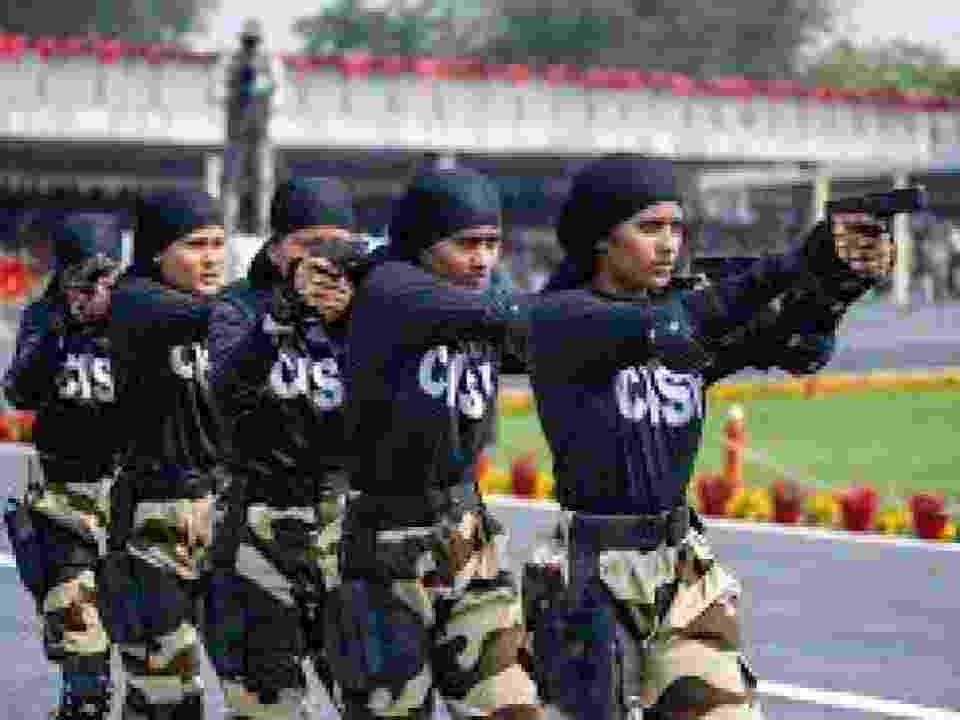
CISF Launches India First All-Women Commando Unit
In 2025, CISF established India’s first all-women commando unit, training personnel for counter-terrorism and rapid response roles...
| Posted On: 26 Aug, 2025 | |
| Read More | |
Union Home Ministry Approved 58,000 Additional CISF Posts For Industrial Growth In LWE-Affected Areas
The Ministry of Home Affairs has approved the recruitment of 58,000 CISF personnel to secure upcoming industrial hubs in LWE-affected regions. Know the CISF's structure, functions, and strategic role in national security...
| Posted On: 04 Aug, 2025 | |
| Read More | |
UPSC CISF AC (Exe) 2025 Written Exam Results Released
UPSC has released the CISF AC (Exe) 2025 written exam results. Candidates can check the merit list on upsc.gov.in and prepare for the next stages PST, PET, and MST...
| Posted On: 26 Jun, 2025 | |
| Read More | |
CISF Honors Rajaditya Cholan With Renaming Of Arakkonam Training Centre
This battle marked a crucial moment in the conflict between the Cholas and the Rashtrakutas. Rajaditya’s legacy remains a symbol of Tamil pride and heritage...
| Posted On: 27 Feb, 2025 | |
| Read More | |
CISF Expands With Two New Battalions To Strengthen National Security And Create 2,050 Jobs
This expansion will add two new battalions, each consisting of 1,025 personnel, bringing the total number of CISF battalions from 13 to 15...
| Posted On: 16 Jan, 2025 | |
| Read More | |
CISF Constable Fire Admit Card 2024 Released In Online Mode
Those interested in participating in these stages of the selection process can now download their admit cards from the CISF official website...
| Posted On: 16 Dec, 2024 | |
| Read More | |
CISF Constable 2024 PET/PST/DV Exam Date Announced
Central Industrial Security Force (CISF) has announced the Constable 2024 PET/PST/DV Exam Date...
| Posted On: 14 Dec, 2024 | |
| Read More | |
Online tests
Click
![]() |
![]() |
![]() |
|
Make learning fun with videos!

Aggregated videos
We spend time curating the best videos and playlists - so you don't have to!

Choose how you learn
Dont understand a topic ? We got you covered with your choice of creators