 CURRENT AFFAIRS

 CURRENT AFFAIRS
Description

Every planet in our solar system has its own unique characteristics. Some planets are famous for their colour, while others are known for unusual features in their atmosphere or surface. Because of these differences, scientists and educators often give planets simple nicknames that make them easier to remember.
For example, Mars is widely called the “Red Planet,” and Earth is known as the “Blue Planet.” These names are based on how the planets appear when viewed from space or through telescopes.
In the same way, another planet in the solar system is sometimes referred to as the “Green Planet.” This name comes from the colour that astronomers observe when studying the planet from afar.
Let us take a closer look at which planet has this nickname and what gives it this distinctive appearance.
The Planet Known as the Green Planet
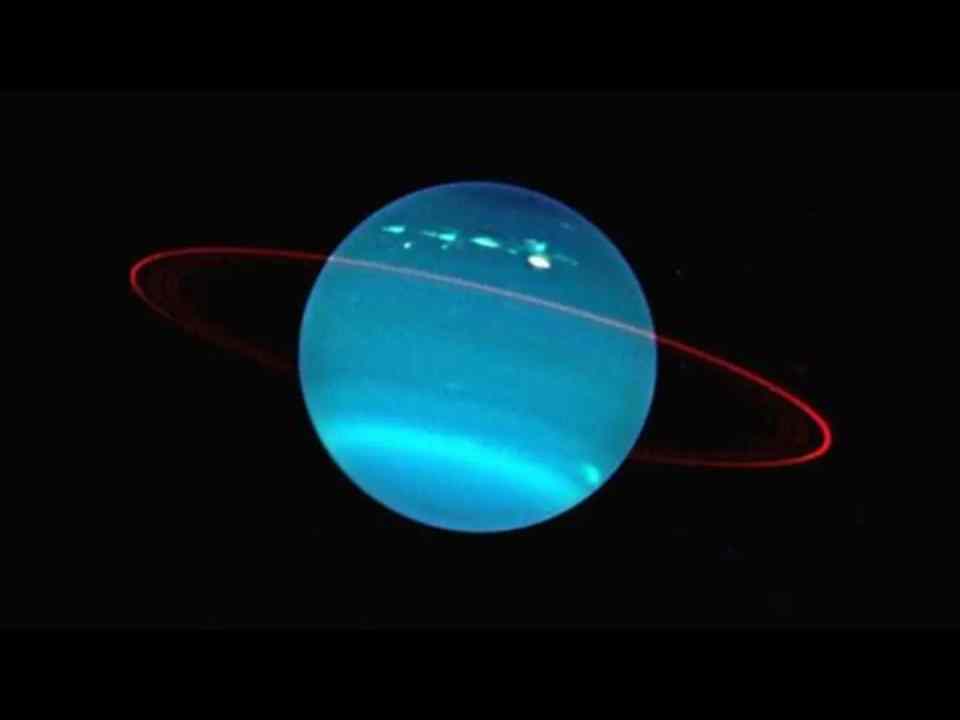
The planet often associated with the name Green Planet is Uranus. Uranus is the seventh planet from the Sun and belongs to a category of planets known as ice giants.
When scientists observe Uranus using telescopes or examine images captured by spacecraft, the planet appears to have a bluish-green colour. This colour is mainly caused by the gases that make up its atmosphere.
Unlike planets such as Earth or Mars that have solid, rocky surfaces, Uranus is composed mostly of thick layers of gases and icy materials. These include hydrogen, helium, water, ammonia, and methane.
Among these components, methane gas plays the most important role in giving Uranus its greenish appearance.
Why Uranus Looks Greenish
The distinctive colour of Uranus is mainly due to the presence of methane in its upper atmosphere.
Sunlight contains several different colours. When sunlight reaches Uranus, methane absorbs much of the red portion of the light spectrum. Because the red light is removed, the remaining blue and green wavelengths are reflected back into space.
As a result, when the planet is viewed from a distance, it appears blue-green or cyan in colour.
This effect works much like a colour filter that blocks certain shades while allowing others to remain visible.
Location of Uranus in the Solar System
Uranus is located far away from the Sun and lies between Saturn and Neptune in the solar system. Because of its great distance, the planet receives very little solar energy.
This lack of sunlight makes Uranus an extremely cold world.
The planet also has a very long orbital period. It takes about 84 Earth years for Uranus to complete one full orbit around the Sun.
A Planet That Rotates on Its Side
One of the most unusual characteristics of Uranus is its extreme axial tilt.
Most planets rotate in an upright position while orbiting the Sun. However, Uranus is tilted at about 98 degrees, which means it spins almost completely on its side.
Because of this unusual orientation, Uranus appears to roll along its orbit rather than spin like other planets.
This tilt also creates very long seasonal cycles, with each season lasting many years.
Scientists believe that a massive collision with another celestial body early in the planet’s history may have caused this dramatic tilt.
Atmosphere and Temperature
The atmosphere of Uranus is mainly composed of hydrogen and helium, along with smaller amounts of methane gas.
Strong winds move through the atmosphere and can reach speeds of hundreds of kilometres per hour.
Uranus is also known as one of the coldest planets in the solar system. Temperatures can fall to around ?224°C, making it an extremely harsh and frozen environment.
The cold conditions allow methane to form thin cloud layers, which further influence the planet’s pale blue-green colour.
Moons and Rings Around Uranus
Uranus is surrounded by a system of moons and faint rings, similar to other giant planets.
Scientists have identified 27 moons orbiting Uranus. Some of the most notable ones include Miranda, Ariel, Umbriel, Titania, and Oberon.
These moons are mostly made of rock and ice.
In addition, Uranus has a ring system, although its rings are much darker and less visible compared to the bright rings of Saturn.
Discovery of Uranus
The discovery of Uranus took place in 1781 when astronomer William Herschel observed the planet through a telescope.
This discovery was historically important because it was the first planet ever found using a telescope. Before this event, people believed that Saturn was the outermost planet in the solar system.
Herschel’s discovery expanded scientific knowledge and opened the door for the discovery of additional distant planets.
Interesting Facts About Uranus
Uranus is considered the coldest planet in the solar system.
The planet rotates sideways compared to most other planets.
One year on Uranus equals 84 Earth years.
Scientists think diamond rain may form deep inside the planet due to intense pressure.
Because of these unusual features, Uranus remains one of the most fascinating and mysterious planets in our solar system.
Welcome to Notopedia.com, your free learning platform that caters to the diverse needs of students and aspirants across a spectrum of entrance exams and educational endeavors. Whether you're preparing for highly anticipated exams like CAT, NEET, JEE Main, or bank job vacancies, our platform offers a wealth of resources to guide you towards success. Stay up-to-date with the latest exam dates, announcements, and results for various government recruitment exams, including SSC CGL, CHSL, NDA, and UPSC. Explore comprehensive study materials, sample papers, and exam patterns to hone your skills and boost your confidence. From important dates like CBSE Class 10 and 12 date sheets to exam-specific information like JEE Main application form date, we cover it all. Notopedia.com is your go-to source for everything from admissions and admit cards to scholarships and college information. Whether you're aiming for a career in defense, government, banking, or higher education, our free learning platform equips you with the knowledge and resources you need to excel. Join us in your educational journey and unlock a world of opportunities, guidance, and comprehensive support.
For more Updates and Information - Visit Notopedia's Bulletin Board
For Latest Sarkari Jobs - Visit Notopedia's Sarkari Jobs Section
For access to more than 20,000 Colleges - Visit Notopedia's College Section
For School Studies and Exams Preparation across 14 Boards - Visit Notopedia's School Section
For Comprehensive Preparation of Sarkari Job Exams - Visit Notopedia's Sarkari Exams Section
- which planet is known as the green planet
- green planet in the solar system
- why Uranus looks green
- Uranus planet facts
- Uranus atmosphere methane
- seventh planet from the Sun
- Uranus temperature and tilt
- ice giant planet Uranus
- planets of the solar sy
The Notopedia Bulletin Board
News about the latest admissions, results, upcoming government jobs, Sarkari exams and many more.


