 CURRENT AFFAIRS

 CURRENT AFFAIRS
Description

Discover the Indian classical dance form famously known as the “Ballad of the East.” Renowned for its dramatic storytelling, vibrant makeup, expressive gestures, and deep cultural roots, this art form is one of India’s most celebrated traditions. Did you know that this classical dance is often called the “Ballad of the East” because of its graceful movements, emotional depth, and poetic style of storytelling?
Kathakali is more than just dance steps and music—it is a complete performing art that combines rhythm, gestures, facial expressions, and narrative to connect deeply with the audience.
For centuries, it has been performed in temples and royal courts, rooted in devotion and cultural tradition. The stories are mostly drawn from Indian mythology and ancient epics, brought to life through intricate movements and expressive performances.
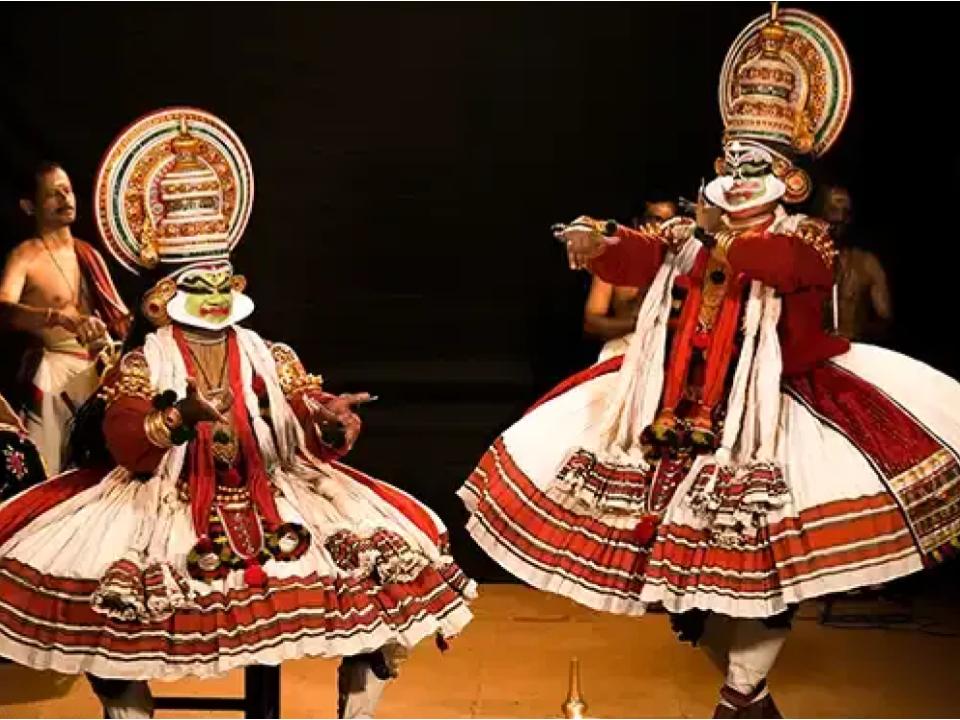
Dancers wear elaborate costumes and striking makeup, highlighting every gesture and facial expression. On stage, a Kathakali performance feels like a living story unfolding, rich in emotion, beauty, and tradition. Its elegance and storytelling prowess have earned it the title “Ballad of the East.”
Which Dance Form is the “Ballad of the East”?
The dance form known as the “Ballad of the East” is Kathakali. Originating in Kerala in the 17th century, Kathakali is a classical dance-drama that narrates stories from Indian epics through movement, music, and elaborate costumes, without spoken dialogue. It is sometimes also referred to as the “Ballet of the East” due to its poetic and theatrical style.
Origins and History
Kathakali evolved around 1650–1660 AD, developing from earlier temple and court performances such as Krishnanattam and Ramanattam, which portrayed tales of Hindu gods. Over time, Kathakali became more elaborate, incorporating complex characters, intense emotions, and grand stagecraft. The performances primarily draw from the Ramayana and Mahabharata.
Meaning of the Name
The term Kathakali comes from the Malayalam words:
Katha – story
Kali – play or performance
Hence, Kathakali literally means “Story-Play,” which perfectly captures its essence as a narrative dance performed entirely through gestures and expressions.
Distinctive Features of Kathakali
1. Silent Storytelling
Kathakali artists convey the entire story without speaking, using:
Hand gestures (mudras)
Facial expressions
Eye movements
Body postures
There are 24 main hand gestures that can combine to express hundreds of meanings.
2. Expressive Facial Movements
Artists train for years to master precise control over their facial muscles and eyes, practicing exercises called Netra Vyayamam. These expressions communicate emotions like love, anger, fear, and valor.
3. Vibrant Makeup and Costumes
Kathakali is famous for its elaborate makeup (Vesham) and grand costumes. Each color signifies a character type:
Green (Paccha) – noble heroes and gods
Red – evil or angry characters
Black – hunters or forest dwellers
The makeup uses natural materials and can take 3–5 hours to complete. Costumes and headgear can weigh up to 10 kg, enhancing the grandeur of the performance.
4. Music and Instruments
Performances are accompanied by traditional music, with the Chenda drum being central. Its rhythmic beats add excitement and energy to the storytelling.
Why Kathakali is Called the “Saga of the East”
Kathakali presents epic tales of gods, heroes, and demons in a highly dramatic style. It is not just entertainment—it preserves cultural heritage and brings ancient stories to life. The art form integrates five fine arts:
Literature
Music
Painting (through costume and makeup design)
Acting
Dance
This combination makes Kathakali a true example of “Total Theatre.”
Cultural Significance
As one of India’s eight classical dance forms, Kathakali showcases Kerala’s rich cultural heritage. Today, it continues to enthrall audiences both in India and abroad with its discipline, storytelling, and vibrant visual spectacle.
Welcome to Notopedia.com, your free learning platform that caters to the diverse needs of students and aspirants across a spectrum of entrance exams and educational endeavors. Whether you're preparing for highly anticipated exams like CAT, NEET, JEE Main, or bank job vacancies, our platform offers a wealth of resources to guide you towards success. Stay up-to-date with the latest exam dates, announcements, and results for various government recruitment exams, including SSC CGL, CHSL, NDA, and UPSC. Explore comprehensive study materials, sample papers, and exam patterns to hone your skills and boost your confidence. From important dates like CBSE Class 10 and 12 date sheets to exam-specific information like JEE Main application form date, we cover it all. Notopedia.com is your go-to source for everything from admissions and admit cards to scholarships and college information. Whether you're aiming for a career in defense, government, banking, or higher education, our free learning platform equips you with the knowledge and resources you need to excel. Join us in your educational journey and unlock a world of opportunities, guidance, and comprehensive support.
For more Updates and Information - Visit Notopedia's Bulletin Board
For Latest Sarkari Jobs - Visit Notopedia's Sarkari Jobs Section
For access to more than 20,000 Colleges - Visit Notopedia's College Section
For School Studies and Exams Preparation across 14 Boards - Visit Notopedia's School Section
For Comprehensive Preparation of Sarkari Job Exams - Visit Notopedia's Sarkari Exams Section
- Kathakali dance
- Ballad of the East
- Indian classical dance
- Kerala dance form
- Kathakali costume
- Kathakali makeup
- Indian dance drama
- Kathakali history
- Kathakali mudras
- Indian cultural heritage
The Notopedia Bulletin Board
News about the latest admissions, results, upcoming government jobs, Sarkari exams and many more.


