 CURRENT AFFAIRS

 CURRENT AFFAIRS
Description

The human brain is an incredibly complex organ, controlling everything from thoughts and memory to emotions and body movements. Even simple actions like blinking or dreaming rely on different parts of the brain working together seamlessly.
Some regions manage automatic functions such as breathing and heartbeat, while others handle more advanced tasks like learning, problem-solving, and language. Scientists often compare the brain to a supercomputer because of its rapid information processing. Interestingly, not all brain parts are the same size some are much larger because they handle more complex activities.
The biggest part of the brain allows humans to think, make decisions, remember experiences, and communicate. It also influences personality and behavior, which makes human cognition unique.
What is the Largest Part of the Brain?
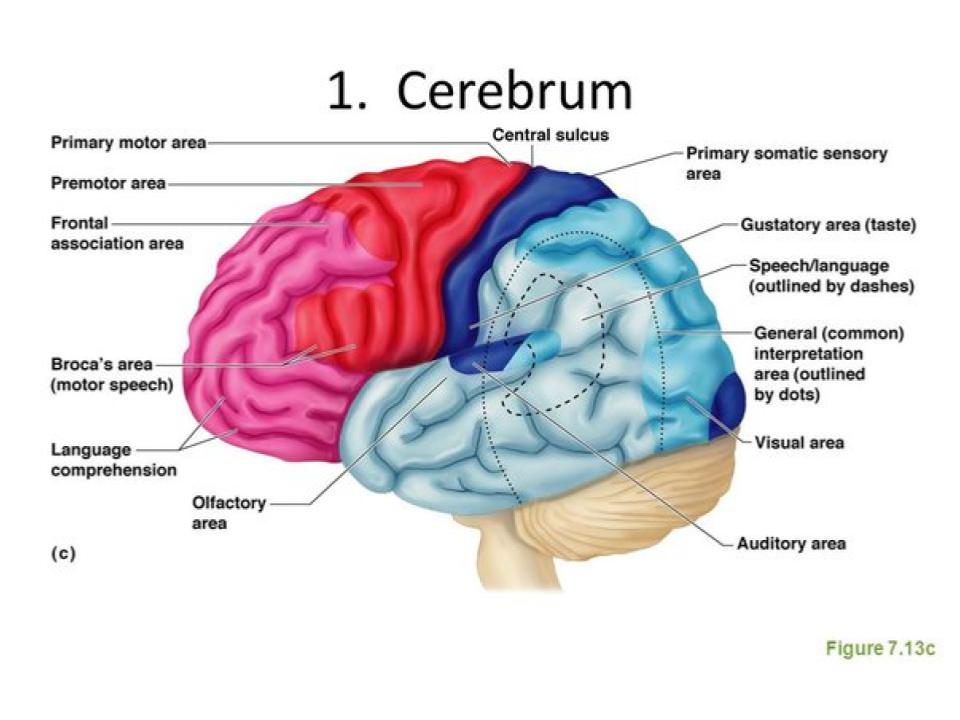
The cerebrum is the largest section of the brain, making up roughly 85% of its total weight. Located at the top of the head, it sits above the brainstem and cerebellum.
The cerebrum is often called the thinking part of the brain. It enables reasoning, decision-making, memory, and voluntary actions. Thanks to the cerebrum, humans can acquire new skills, create art, and communicate through language.
Main Functions of the Cerebrum
The cerebrum acts like the brain’s control center, overseeing both mental and physical processes:
Thinking and Reasoning
Supports learning, problem-solving, analysis, and creative thinking
Memory
Stores both short-term and long-term memories such as events, names, and experiences
Processing Senses
Receives and interprets signals from:
Eyes (vision)
Ears (hearing)
Nose (smell)
Tongue (taste)
Skin (touch)
Movement Control
Directs voluntary actions like walking, writing, talking, or typing
Emotions and Language
Processes feelings such as joy, anger, or fear
Helps form words and understand spoken or written language
Structure of the Cerebrum
The cerebrum has a wrinkled appearance, much like a walnut. These folds increase surface area, allowing more neurons to fit inside the skull.
Gyri – Raised folds
Sulci – Shallow grooves
Fissures – Deep grooves that divide major sections
Hemispheres of the Cerebrum
The cerebrum is split into left and right halves, connected by a thick bundle of nerves called the corpus callosum, which enables the two sides to communicate.
Left Hemisphere (Analytical Side)
Language and grammar
Math and logical reasoning
Controls the right side of the body
Right Hemisphere (Creative Side)
Imagination and artistic ability
Understanding emotions and tone
Controls the left side of the body
Both hemispheres work together for balanced brain function.
Lobes of the Cerebrum
Each hemisphere contains four lobes:
Frontal Lobe – Planning, decision-making, personality, voluntary movement, speech
Parietal Lobe – Touch, temperature, pain, body position, and spatial awareness
Temporal Lobe – Hearing, memory, understanding language
Occipital Lobe – Vision, recognizing shapes and colors
Why the Cerebrum is Crucial
The cerebrum is what allows humans to think deeply, communicate, and understand emotions. Damage to even a small area can affect memory, personality, or behavior, highlighting how vital this part of the brain is.
Welcome to Notopedia.com, your free learning platform that caters to the diverse needs of students and aspirants across a spectrum of entrance exams and educational endeavors. Whether you're preparing for highly anticipated exams like CAT, NEET, JEE Main, or bank job vacancies, our platform offers a wealth of resources to guide you towards success. Stay up-to-date with the latest exam dates, announcements, and results for various government recruitment exams, including SSC CGL, CHSL, NDA, and UPSC. Explore comprehensive study materials, sample papers, and exam patterns to hone your skills and boost your confidence. From important dates like CBSE Class 10 and 12 date sheets to exam-specific information like JEE Main application form date, we cover it all. Notopedia.com is your go-to source for everything from admissions and admit cards to scholarships and college information. Whether you're aiming for a career in defense, government, banking, or higher education, our free learning platform equips you with the knowledge and resources you need to excel. Join us in your educational journey and unlock a world of opportunities, guidance, and comprehensive support.
For more Updates and Information - Visit Notopedia's Bulletin Board
For Latest Sarkari Jobs - Visit Notopedia's Sarkari Jobs Section
For access to more than 20,000 Colleges - Visit Notopedia's College Section
For School Studies and Exams Preparation across 14 Boards - Visit Notopedia's School Section
For Comprehensive Preparation of Sarkari Job Exams - Visit Notopedia's Sarkari Exams Section
- largest part of brain
- cerebrum functions
- brain parts and functions
- human brain structure
- brain memory and movement
- brain hemispheres
- brain lobes
- cerebrum importance
- brain facts for students
The Notopedia Bulletin Board
News about the latest admissions, results, upcoming government jobs, Sarkari exams and many more.


