 CURRENT AFFAIRS

 CURRENT AFFAIRS
Description

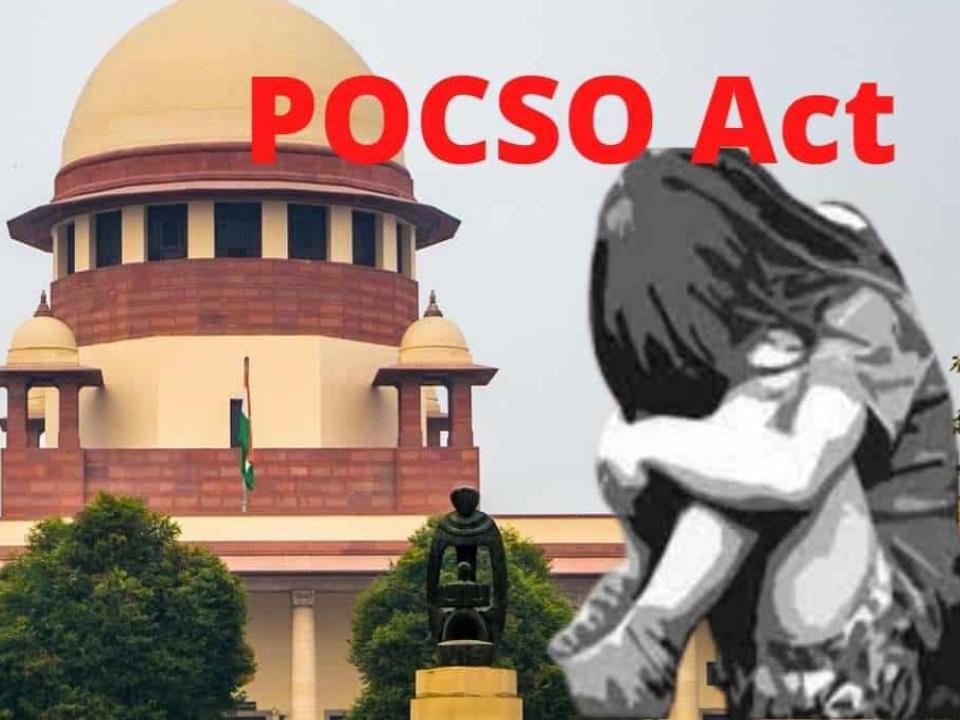
The Supreme Court has once again drawn attention to a contentious issue surrounding the Protection of Children from Sexual Offences (POCSO) Act, 2012: whether a statute crafted to protect children is being misapplied to punish consensual teenage relationships. While hearing a recent bail plea, a Bench comprising Justices Sanjay Karol and N. Kotiswar Singh encouraged the Union government to examine safeguards against misuse of the law, including the possibility of introducing a “Romeo–Juliet” exception for adolescents who are close in age.
What triggered the court’s concern
While overturning an Allahabad High Court ruling on age determination, the Supreme Court characterised POCSO as a law with a serious moral purpose that is increasingly being distorted in practice. The judges noted that the Act is often invoked by families to break up consensual relationships between teenagers, particularly when such relationships challenge entrenched social boundaries such as caste, religion or community norms.
By referring to a Romeo Juliet clause, the court implicitly acknowledged that all sexual activity involving minors is not inherently exploitative. In several jurisdictions, such clauses protect consensual intimacy between adolescents of similar ages from being prosecuted as statutory offences.
Consent under the present legal framework
POCSO adopts a strict definition of childhood, treating anyone below 18 as legally incapable of consent. As a result, any sexual act involving a minor is deemed an offence, irrespective of mutual agreement or absence of coercion. This approach was intended to create an uncompromising shield against abuse by adults. However, courts have increasingly flagged that the law fails to distinguish between sexual violence and voluntary relationships between adolescents.
Renewed push for reform
The latest observations come amid an ongoing public interest case challenging the blanket criminalisation of adolescent sexuality. Senior Advocate Indira Jaising, assisting the court, has urged either a reinterpretation of the age of consent or the creation of statutory exceptions.
She has argued that adolescents aged 16 to 18 possess evolving decision-making abilities that fall within the protective ambit of fundamental rights under the Constitution. Citing the “mature minor” principle, her submissions stress that treating all minors as incapable of consent overlooks biological maturity and social realities.
The rationale for a close-in-age exemption
Advocates of reform propose a narrow “close-in-age” exception, under which consensual relationships between teenagers of similar ages would fall outside the scope of criminal prosecution. For instance, a relationship between a 16-year-old and a 17-year-old would not automatically attract penal consequences.
Such an approach, supporters argue, would prevent the needless incarceration of young people in cases devoid of exploitation or power imbalance. It would also ease pressure on the criminal justice system, where many such prosecutions fail once the complainant supports the accused during trial.
Why the government remains cautious
The Union government has resisted any dilution of the age-of-consent framework, maintaining that 18 represents a carefully calibrated boundary meant to offer uniform protection to children. It has contended that minors lack the psychological and legal capacity to make informed sexual choices, and that statutory exceptions could be misused by offenders. The government prefers judicial discretion over legislative carve-outs.
A similar note of caution was struck by the Law Commission of India in 2023. While it acknowledged the problem of consensual cases being prosecuted under POCSO, it advised against lowering the age of consent, recommending instead greater flexibility at the sentencing stage.
Evidence of overreach
Data lends weight to concerns about misuse. Studies by Enfold Proactive Health Trust and UNICEF indicate that a significant proportion of POCSO cases registered in some States involve consensual adolescent relationships. Frequently, complaints are initiated by parents after discovering relationships or elopements they disapprove of. Low conviction rates in such cases reveal the disconnect between the law’s objectives and its application.
Impact on health and autonomy
The effects extend beyond criminal courts. Mandatory reporting requirements under POCSO compel healthcare professionals to alert authorities about underage sexual activity or pregnancy. This often discourages adolescents from seeking timely medical care, undermining sexual and reproductive health outcomes.
Why judicial discretion falls short
Although High Courts have occasionally intervened to quash proceedings in consensual cases, such relief typically arrives after prolonged detention or trial, causing irreversible harm. By calling for a systemic solution, the Supreme Court has highlighted a broader dilemma: when a child-protection law becomes a means of enforcing social conformity or parental control, it risks betraying its foundational purpose. Whether Parliament will now act to recalibrate the law remains to be seen.
Welcome to Notopedia.com, your free learning platform that caters to the diverse needs of students and aspirants across a spectrum of entrance exams and educational endeavors. Whether you're preparing for highly anticipated exams like CAT, NEET, JEE Main, or bank job vacancies, our platform offers a wealth of resources to guide you towards success. Stay up-to-date with the latest exam dates, announcements, and results for various government recruitment exams, including SSC CGL, CHSL, NDA, and UPSC. Explore comprehensive study materials, sample papers, and exam patterns to hone your skills and boost your confidence. From important dates like CBSE Class 10 and 12 date sheets to exam-specific information like JEE Main application form date, we cover it all. Notopedia.com is your go-to source for everything from admissions and admit cards to scholarships and college information. Whether you're aiming for a career in defense, government, banking, or higher education, our free learning platform equips you with the knowledge and resources you need to excel. Join us in your educational journey and unlock a world of opportunities, guidance, and comprehensive support.
For more Updates and Information - Visit Notopedia's Bulletin Board
For Latest Sarkari Jobs - Visit Notopedia's Sarkari Jobs Section
For access to more than 20,000 Colleges - Visit Notopedia's College Section
For School Studies and Exams Preparation across 14 Boards - Visit Notopedia's School Section
For Comprehensive Preparation of Sarkari Job Exams - Visit Notopedia's Sarkari Exams Section
- POCSO Act
- Supreme Court POCSO observation
- Romeo Juliet clause India
- consensual adolescent relationships
- age of consent India
- POCSO misuse cases
- Indira Jaising POCSO
- Law Commission age of consent
- child protection laws India
- Notopedia current affai
The Notopedia Bulletin Board
News about the latest admissions, results, upcoming government jobs, Sarkari exams and many more.


