 CURRENT AFFAIRS

 CURRENT AFFAIRS
Description

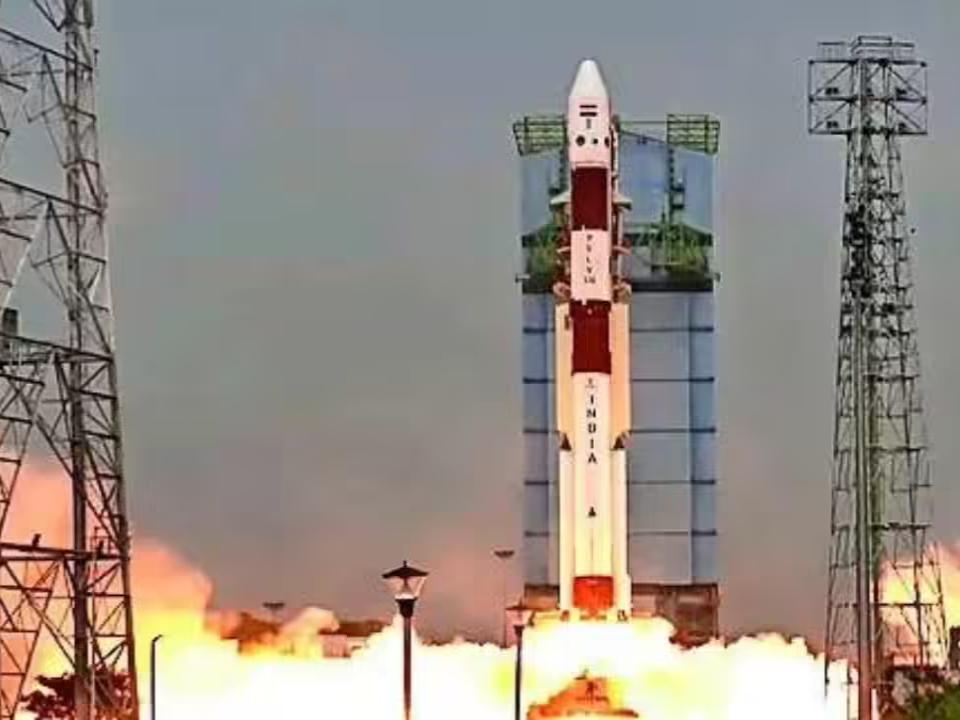
The consecutive failures of the Polar Satellite Launch Vehicle (PSLV)—long considered the backbone and most reliable launcher of India’s space programme—have unsettled both strategic planners and commercial customers. With the PSLV-C61 mission failing in May 2025 and PSLV-C62 suffering a similar setback in January, scrutiny has intensified around ISRO’s internal review mechanisms, its response to technical anomalies, and the broader consequences for India’s space ambitions.
What went wrong in the PSLV-C61 mission?
The PSLV-C61 mission, launched by the Indian Space Research Organisation (ISRO), was intended to deploy the EOS-09 Earth-observation satellite into orbit. While the first and second stages of the rocket performed as expected, flight telemetry indicated a sharp drop in chamber pressure in the third stage (PS3) approximately 203 seconds after liftoff.
The PS3 is a solid-propellant motor a mature, extensively proven component. In solid motors, a sudden pressure loss typically signals a serious structural failure, such as a breach in the casing or a nozzle malfunction. Without sufficient internal pressure, the motor cannot generate the thrust required to sustain the planned trajectory, resulting in mission loss. As a consequence, the EOS-09 satellite was destroyed.
Why the third-stage failure is particularly concerning
The PS3 stage has traditionally been regarded as one of the most reliable elements of the PSLV design. Unlike liquid stages, solid motors have few moving parts and are generally less vulnerable to in-flight failures. This makes the recurrence of a third-stage-related anomaly in two successive missions especially troubling.
In the January PSLV-C62 mission, ISRO Chairman V. Narayanan attributed the failure to a “roll-rate disturbance,” suggesting that the vehicle entered an uncontrolled spin. Notably, the PS3 lacks independent roll-control capability and depends on stabilisation from the fourth stage. Any asymmetric gas leak or side-venting from the third stage could generate sufficient torque to overwhelm these stabilising forces.
Unresolved questions surrounding the Failure Analysis Committee report
After the C61 failure, ISRO established a Failure Analysis Committee (FAC), which reportedly submitted its findings to the Prime Minister’s Office. However, the report has not been released publicly. This opacity has attracted attention, particularly because ISRO has historically published detailed post-failure assessments—even for high-profile or sensitive missions.
One possible justification is the need to protect classified payload information. Yet, specialists argue that technical failure analyses can be disclosed with sensitive details redacted. Another explanation may lie in commercial considerations: PSLV is now being actively marketed by NewSpace India Limited as a reliable launch platform. Public acknowledgement of manufacturing defects or quality-control lapses could negatively affect insurance costs and erode client confidence.
The influence of commercial pressures on transparency
Today, PSLV is not merely a national asset but a commercial launch vehicle competing in a highly competitive global small-satellite market. Any indication that recent failures resulted from negligence, inferior materials, or inadequate testing could seriously damage its reputation.
By keeping the FAC report confidential, ISRO and the Department of Space have effectively insulated the organisation from external technical scrutiny. This is particularly significant given that PSLV-C62 was cleared for launch just eight months after the earlier failure a notably short return-to-flight period for a vehicle with unresolved third-stage issues.
Why transparency is critical to restoring confidence
Internationally, space agencies often rely on independent reviews to rebuild trust after a failure. External experts can assess corrective actions objectively and challenge overly optimistic internal conclusions. In this case, the absence of public disclosure or peer review meant that the robustness of ISRO’s corrective measures could not be independently verified—raising concerns about the decision-making process behind the rapid return to flight.
Welcome to Notopedia.com, your free learning platform that caters to the diverse needs of students and aspirants across a spectrum of entrance exams and educational endeavors. Whether you're preparing for highly anticipated exams like CAT, NEET, JEE Main, or bank job vacancies, our platform offers a wealth of resources to guide you towards success. Stay up-to-date with the latest exam dates, announcements, and results for various government recruitment exams, including SSC CGL, CHSL, NDA, and UPSC. Explore comprehensive study materials, sample papers, and exam patterns to hone your skills and boost your confidence. From important dates like CBSE Class 10 and 12 date sheets to exam-specific information like JEE Main application form date, we cover it all. Notopedia.com is your go-to source for everything from admissions and admit cards to scholarships and college information. Whether you're aiming for a career in defense, government, banking, or higher education, our free learning platform equips you with the knowledge and resources you need to excel. Join us in your educational journey and unlock a world of opportunities, guidance, and comprehensive support.
For more Updates and Information - Visit Notopedia's Bulletin Board
For Latest Sarkari Jobs - Visit Notopedia's Sarkari Jobs Section
For access to more than 20,000 Colleges - Visit Notopedia's College Section
For School Studies and Exams Preparation across 14 Boards - Visit Notopedia's School Section
For Comprehensive Preparation of Sarkari Job Exams - Visit Notopedia's Sarkari Exams Section
- ISRO PSLV failures
- PSLV-C61 failure
- PSLV-C62 failure
- ISRO transparency
- PSLV third stage failure
- ISRO quality control
- Indian space programme setbacks
- PSLV return to flight
- NewSpace India Limited
- ISRO Failure Analysis Committee
The Notopedia Bulletin Board
News about the latest admissions, results, upcoming government jobs, Sarkari exams and many more.


