 CURRENT AFFAIRS

 CURRENT AFFAIRS
Description

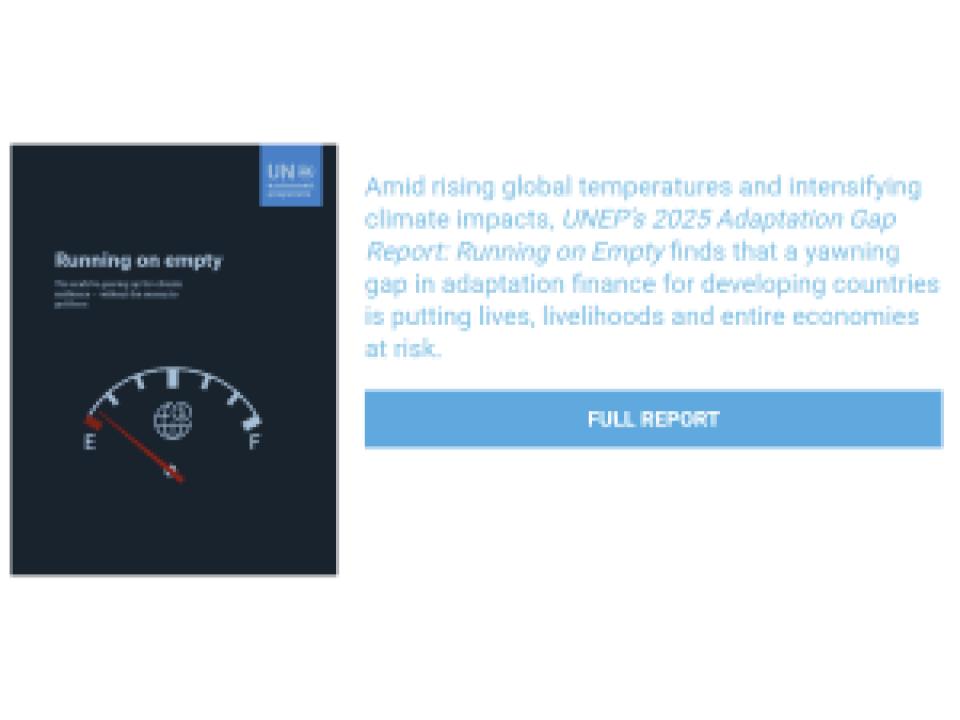
The United Nations Environment Programme (UNEP) has released its Adaptation Gap Report (AGR) 2025, issuing a strong warning about the growing shortfall in global climate adaptation finance amid escalating climate-related disasters. The report highlights the deepening divide between the financial resources required to safeguard vulnerable populations and ecosystems, and the limited funds currently available. It assesses progress toward global adaptation targets and identifies key deficiencies in funding, planning, and execution particularly in developing and climate-vulnerable nations.
Escalating Financial Demands For Climate Adaptation
The UNEP report estimates that developing nations will need between USD 310 billion and USD 365 billion annually by 2035 to address their adaptation needs. When adjusted for inflation, this figure could rise to USD 440–520 billion per year, underscoring the accelerating costs driven by frequent extreme events like floods, cyclones, and heatwaves, as well as gradual impacts such as drought, desertification, and sea-level rise.
Key drivers of this rising demand include:
Increasing vulnerability caused by rapid urbanisation and environmental degradation.
The rising cost of building resilient infrastructure.
A growing need for social protection measures to support marginalised populations.
The Expanding Adaptation Finance Gap
Despite surging needs, global public funding for adaptation stood at just USD 26 billion in 2023, leaving an estimated annual shortfall of USD 284–339 billion. UNEP warns that the Glasgow Climate Pact (2021) goal to double adaptation finance to USD 40 billion by 2025 is unlikely to be met. Similarly, the proposed New Collective Quantified Goal (NCQG) of USD 300 billion per year by 2035 is considered inadequate, particularly when inflation and implementation costs are factored in.
Climate Finance Mechanisms: Growth And Limitations
Financial contributions from international climate funds such as the Adaptation Fund, Global Environment Facility (GEF), and Green Climate Fund (GCF) rose to USD 920 million in 2024, marking an 86% increase compared to the 2019–2023 average. However, UNEP cautions that this rise may be short-lived, influenced by temporary political commitments rather than lasting fiscal reform. Ongoing economic pressures in donor nations continue to hinder the expansion of adaptation finance.
Unequal Burden And Climate Injustice
Developing countries continue to bear a disproportionate share of adaptation costs, with 58% of funds provided as loans, many of which are non-concessional. This increases debt vulnerability and raises ethical concerns about climate inequity as nations least responsible for global emissions suffer the greatest consequences.
While 172 of 197 countries now have National Adaptation Plans (NAPs) or frameworks, 36 of these are outdated, reducing their relevance in current climate conditions. Small Island Developing States (SIDS) remain among the most proactive in integrating adaptation policies, despite limited resources and technical capacity.
UNEP’s Key Recommendations
The 2025 report outlines several strategies to bridge the adaptation gap and promote resilience through finance, policy, and global cooperation:
Baku to Belém Roadmap:
Adopted at COP 29 (UNFCCC), this roadmap calls for scaling global climate finance to USD 1.3 trillion annually by 2035, aligning adaptation funding with broader sustainable development goals.
Private Sector Engagement:
Private investment in adaptation currently totals USD 5 billion annually but could grow to USD 50 billion with better risk-sharing frameworks and blended finance models. UNEP emphasises public-private partnerships to de-risk adaptation investments.
Shift Toward Grants and Concessional Finance:
To prevent new debt burdens, the report advocates prioritising grants and concessional loans and phasing out fossil fuel subsidies, redirecting public resources toward climate resilience.
Integrating Climate Risk in Financial Systems:
Banks, investors, and insurers should embed climate-risk assessments into decision-making to align financial flows with resilience and sustainability goals.
Strengthening Mitigation Efforts:
UNEP stresses that effective emission reduction can lower future adaptation costs, reinforcing that adaptation and mitigation must advance together for long-term climate security.
Key Definitions
Adaptation: Adjusting to actual or expected climate effects to minimise harm or capitalise on potential benefits across both human and natural systems.
Adaptation Costs: Total financial resources needed to plan and implement adaptation measures, including administrative and transaction expenses.
Adaptation Gap: The difference between current adaptation progress and the level required to achieve resilience, influenced by available funds, risk tolerance, and priorities.
India’s Adaptation And Development Strategy
India’s climate strategy has increasingly adopted an adaptation-focused model, integrating resilience into agriculture, water resource management, and disaster preparedness. Through the National Adaptation Fund for Climate Change (NAFCC), India channels funds toward community-level adaptation initiatives.
As outlined in the Economic Survey 2024–25, India envisions achieving developed nation status by 2047, with adaptation serving as a key pillar of sustainable progress. Upholding the principle of Common But Differentiated Responsibilities and Respective Capabilities (CBDR-RC), India maintains that economic growth must precede deep decarbonisation.
Following the withdrawal of the United States from the Paris Agreement (2025) and delays in operationalising the Loss and Damage Fund, India has postponed submission of its 2035 Nationally Determined Contributions (NDCs), citing inequitable climate finance distribution. Despite these challenges, India continues to pursue its Net Zero by 2070 target under its Long-Term Low Emissions Development Strategy (LT-LEDS).
Global Outlook
The UNEP Adaptation Gap Report 2025 serves as a powerful reminder that adaptation finance remains critically inadequate. Without swift action to expand concessional funding, reform global climate finance systems, and integrate stronger mitigation policies, developing countries risk facing irreversible climate losses.
UNEP’s core message is clear: “Investing in adaptation today safeguards global stability tomorrow ensuring no nation is left behind in the pursuit of resilience and sustainable development.”
Welcome to Notopedia.com, your free learning platform that caters to the diverse needs of students and aspirants across a spectrum of entrance exams and educational endeavors. Whether you're preparing for highly anticipated exams like CAT, NEET, JEE Main, or bank job vacancies, our platform offers a wealth of resources to guide you towards success. Stay up-to-date with the latest exam dates, announcements, and results for various government recruitment exams, including SSC CGL, CHSL, NDA, and UPSC. Explore comprehensive study materials, sample papers, and exam patterns to hone your skills and boost your confidence. From important dates like CBSE Class 10 and 12 date sheets to exam-specific information like JEE Main application form date, we cover it all. Notopedia.com is your go-to source for everything from admissions and admit cards to scholarships and college information. Whether you're aiming for a career in defense, government, banking, or higher education, our free learning platform equips you with the knowledge and resources you need to excel. Join us in your educational journey and unlock a world of opportunities, guidance, and comprehensive support.
For more Updates and Information - Visit Notopedia's Bulletin Board
For Latest Sarkari Jobs - Visit Notopedia's Sarkari Jobs Section
For access to more than 20,000 Colleges - Visit Notopedia's College Section
For School Studies and Exams Preparation across 14 Boards - Visit Notopedia's School Section
For Comprehensive Preparation of Sarkari Job Exams - Visit Notopedia's Sarkari Exams Section
- UNEP Adaptation Gap Report 2025
- climate adaptation finance gap
- global climate policy
- climate resilience
- adaptation funding shortfall
- UNEP report
- climate change adaptation
- developing nations
- Baku to Belém Roadmap
- UNFCCC COP29
The Notopedia Bulletin Board
News about the latest admissions, results, upcoming government jobs, Sarkari exams and many more.


