 CURRENT AFFAIRS

 CURRENT AFFAIRS
Description

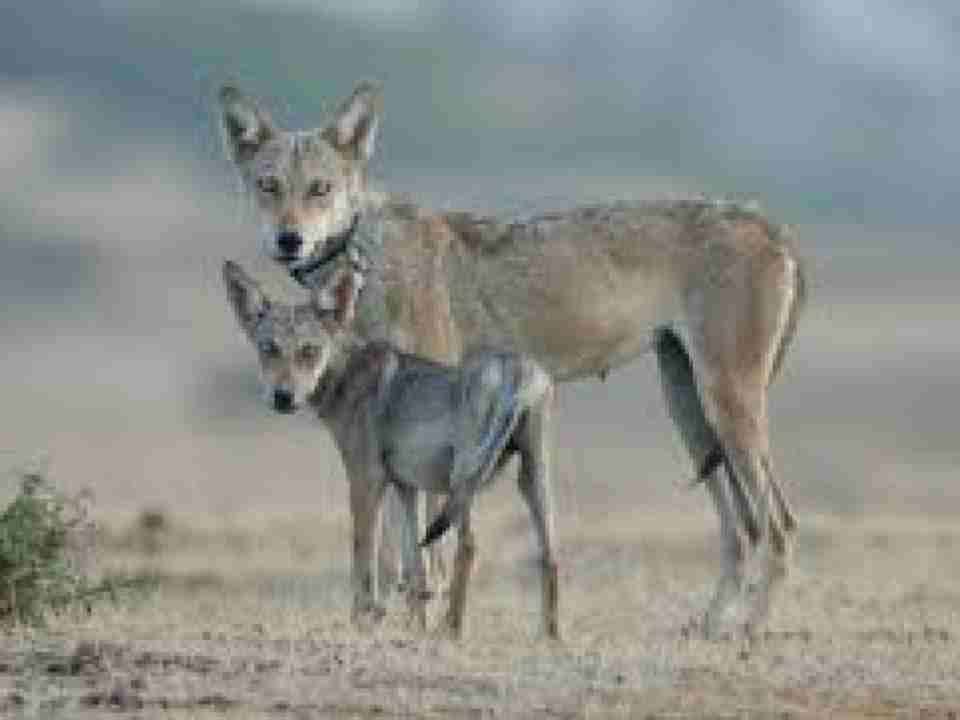
The Indian wolf (Canis lupus pallipes) has recently been evaluated independently by the International Union for Conservation of Nature (IUCN), marking the first time this species has received a separate assessment. This recognition could potentially elevate its global conservation status, bringing much-needed attention to the species’ survival and the threats it faces.
Population And Conservation Status
The Indian wolf population is estimated at around 3,093 individuals spread across India and Pakistan. Currently classified as “vulnerable” on the IUCN Red List, the species faces ongoing population decline due to habitat loss, human persecution, and fragmentation of its natural range.
Unlike apex predators like the tiger, which inhabit 11 countries, the Indian wolf is largely confined to India, with only 10–20 individuals remaining in Pakistan. Its restricted range and low population density make the species particularly susceptible to environmental pressures and human-induced threats.
Evolutionary And Taxonomic Significance
The Indian wolf represents one of the oldest wolf lineages in the world, having evolved on the Indian subcontinent long before the arrival of humans. Its ancient lineage makes it a genetically unique canid, contributing significantly to global biodiversity.
Historically considered a subspecies of the gray wolf (Canis lupus), recent genetic and morphological studies suggest the Indian wolf may now be recognized as a distinct species within the Canis genus. If officially accepted, it would become the eighth species in the genus, joining the gray wolf, coyote, golden jackal, Ethiopian wolf, domestic dog, red wolf, and African wolf.
Habitat And Protection Challenges
A mere 12.4% of the Indian wolf’s habitat falls within protected areas in India and Pakistan. The vast majority of the species lives outside formal conservation zones, exposing it to threats such as:
Habitat destruction due to agricultural expansion and urbanisation
Human-wildlife conflict, particularly in densely populated areas
Lack of legal protection, as many wolves inhabit privately-owned or unprotected lands
Fragmented habitats and minimal inclusion in protected areas have made targeted conservation strategies essential for the species’ survival.
Human-Wildlife Conflict
Human-wolf conflict has escalated in recent years, especially in Uttar Pradesh and other rural regions. Livestock predation by wolves can provoke local communities, creating a threat to both human livelihoods and wolf populations.
Conservation experts stress the importance of swift and professional management of conflict cases, including the humane removal of problematic wolves. Such interventions build community trust and support, which is critical for successful conservation initiatives.
Conservation Imperatives
Unlike some other large carnivores in India, whose populations have stabilised or increased, the Indian wolf continues to decline. Urgent, focused conservation measures are needed to secure the species’ future. Key strategies include:
Habitat protection and restoration to expand and connect fragmented territories
Conflict mitigation programs that balance human interests with species protection
Community engagement and awareness to foster coexistence
Scientific monitoring to track populations and understand ecological needs
Policy and legal measures to strengthen protection in unregulated areas
Preserving the Indian wolf is critical not only for maintaining the ecological balance but also for safeguarding one of the oldest and most unique lineages of the Canis genus. Coordinated efforts between governments, conservation organizations, and local communities are essential to ensure this species does not edge closer to extinction.
Welcome to Notopedia.com, your free learning platform that caters to the diverse needs of students and aspirants across a spectrum of entrance exams and educational endeavors. Whether you're preparing for highly anticipated exams like CAT, NEET, JEE Main, or bank job vacancies, our platform offers a wealth of resources to guide you towards success. Stay up-to-date with the latest exam dates, announcements, and results for various government recruitment exams, including SSC CGL, CHSL, NDA, and UPSC. Explore comprehensive study materials, sample papers, and exam patterns to hone your skills and boost your confidence. From important dates like CBSE Class 10 and 12 date sheets to exam-specific information like JEE Main application form date, we cover it all. Notopedia.com is your go-to source for everything from admissions and admit cards to scholarships and college information. Whether you're aiming for a career in defense, government, banking, or higher education, our free learning platform equips you with the knowledge and resources you need to excel. Join us in your educational journey and unlock a world of opportunities, guidance, and comprehensive support.
For more Updates and Information - Visit Notopedia's Bulletin Board
For Latest Sarkari Jobs - Visit Notopedia's Sarkari Jobs Section
For access to more than 20,000 Colleges - Visit Notopedia's College Section
For School Studies and Exams Preparation across 14 Boards - Visit Notopedia's School Section
For Comprehensive Preparation of Sarkari Job Exams - Visit Notopedia's Sarkari Exams Section
- Indian wolf IUCN assessment
- Canis lupus pallipes conservation
- Indian wolf population
- wolf habitat protection India
- human-wildlife conflict Indian wolf
- endangered canids
- biodiversity India
- Indian wildlife conservation
The Notopedia Bulletin Board
News about the latest admissions, results, upcoming government jobs, Sarkari exams and many more.


