 CURRENT AFFAIRS

 CURRENT AFFAIRS
Description

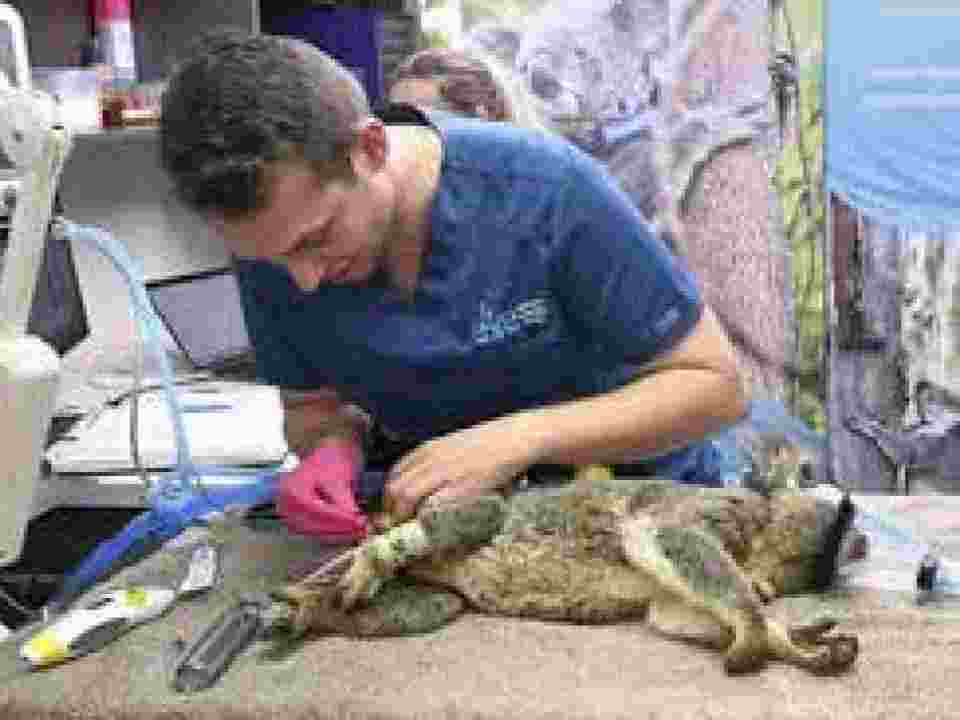
Australia has recently taken a historic step in wildlife conservation by approving the world’s first vaccine designed to protect koalas from the widespread threat of chlamydia. This development is considered a milestone in safeguarding the survival of one of the country’s most iconic species.
About Koala
Scientific Name: Phascolarctos cinereus
Classification: Koalas are arboreal (tree-dwelling), herbivorous marsupials native exclusively to Australia. They are the only living members of the family Phascolarctidae, with their closest relatives being wombats.
Behaviour: Naturally asocial, koalas prefer a solitary lifestyle and generally interact only during the breeding season. Most of their day is spent either feeding or resting in eucalyptus trees.
Physical Adaptations: Their hands have two opposable thumbs, providing a firm grip for climbing tree trunks and branches.
Habitat: Koalas inhabit a range of ecosystems, including open forests, dense woodlands, and areas with both tropical and temperate climates.
Distribution: The species is primarily found across eastern and southeastern Australia, covering regions of Queensland, New South Wales, Victoria, and parts of South Australia.
Diet: Koalas are folivores, feeding almost entirely on eucalyptus leaves. These leaves are low in nutrition and toxic to many other animals, but koalas have a specialized digestive system that allows them to survive on this diet.
Conservation Status: Listed as Vulnerable on the IUCN Red List.
Major Threats: Habitat destruction due to urbanization and deforestation, rising temperatures caused by climate change, increased road accidents, bushfires, and infectious diseases.
Chlamydia In Koalas
Koalas are particularly susceptible to infections from Chlamydia pecorum and Chlamydia pneumoniae.
The disease spreads through multiple pathways, including mating, contact with infected bodily fluids, and transmission from mother to offspring during birth.
Symptoms and Impact:
Eye infections, which may lead to partial or complete blindness.
Urinary tract infections, often resulting in incontinence (commonly referred to as “wet bottom”).
Infertility in both male and female koalas, reducing reproduction rates.
General weakness, dehydration, and higher vulnerability to predators and natural disasters like bushfires.
Studies suggest that in certain regions of Australia, up to 70% of wild koalas are infected with chlamydia.
The disease spreads rapidly within populations as koalas often live in overlapping territories and engage in grooming behaviors that increase exposure.
Significance Of Vaccine
The newly approved chlamydia vaccine represents a breakthrough in conservation medicine. By reducing the prevalence of the disease, it aims to:
Improve survival rates of koalas in the wild.
Enhance reproductive success and population recovery.
Support long-term conservation efforts for the species.
Reduce the need for invasive treatments like antibiotics and surgeries, which are difficult to administer in wild populations.
This vaccine could become a global model for integrating disease management into wildlife conservation strategies, ensuring that iconic species like the koala can withstand modern threats and continue to thrive in their natural habitats.
- Australia koala vaccine
- koala chlamydia vaccine
- koala conservation
- Phascolarctos cinereus
- koala habitat
- koala threats
- IUCN vulnerable species
- Australian wildlife protection
- chlamydia in koalas
- koala population recovery
The Notopedia Bulletin Board
News about the latest admissions, results, upcoming government jobs, Sarkari exams and many more.


