 CURRENT AFFAIRS

 CURRENT AFFAIRS
Description

CLOVES Syndrome is an exceptionally rare and complex congenital condition characterized by tissue overgrowth and vascular malformations. The name CLOVES is an acronym that stands for Congenital, Lipomatous, Overgrowth, Vascular malformations, Epidermal nevi, and Spinal/skeletal anomalies or scoliosis.
Genetic Basis And Cause
This disorder is associated with mutations in the PIK3CA gene, which plays a critical role in cellular growth and signaling. The PIK3CA gene produces a subunit of an enzyme known as phosphoinositide 3-kinase (PI3K), which regulates several essential functions, including cell growth, survival, and metabolism.
In CLOVES syndrome, somatic mutations (not inherited) occur in the PIK3CA gene during early fetal development. These changes cause the PI3K enzyme to become overactive, leading to abnormal and asymmetrical overgrowth of tissues and blood vessels in specific regions of the body.
Notably, the same gene mutations have also been linked to several types of cancers, such as breast, ovarian, lung, brain, gastric, colorectal, and endometrial cancers, due to the enzyme's role in promoting cell proliferation.
Part Of PROS Spectrum
CLOVES Syndrome falls under a broader group of disorders collectively known as PIK3CA-Related Overgrowth Spectrum (PROS). These include several conditions involving tissue and vascular overgrowth, such as Fibroadipose Hyperplasia, MCAP (Megalencephaly-Capillary Malformation) syndrome, and others. What sets CLOVES apart is the distinct combination of lipomatous overgrowths, vascular anomalies, and skeletal/spinal deformities.
Key Features And Symptoms
The symptoms of CLOVES Syndrome vary significantly depending on the individual and the extent of tissue involvement. Common clinical manifestations include:
Fatty Tissue Overgrowth: Soft, benign masses of fatty tissue typically appear on the trunk, abdomen, back, buttocks, or sides. These growths are present at birth and may grow disproportionately.
Vascular Malformations: Abnormal and enlarged veins and capillaries often occur in the arms, legs, chest, and abdomen. These malformations may cause complications such as pain, bleeding, or blood clots (deep vein thrombosis).
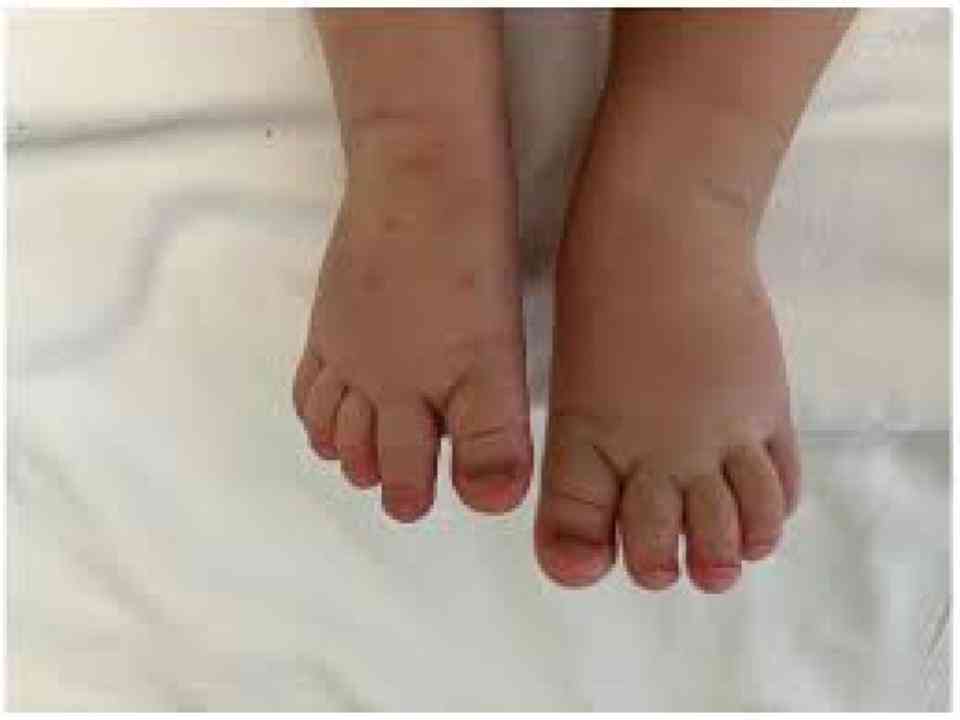
Skeletal Abnormalities: These can include scoliosis (curvature of the spine), overgrowth of limbs, wide hands or feet, and large gaps between fingers and toes.
Cutaneous Signs: Many individuals have epidermal nevi (raised, wart-like skin lesions), port-wine stain birthmarks, or other skin anomalies.
Neurological and Spinal Issues: These may include a tethered spinal cord, asymmetry in muscle tone, or other complications affecting movement and coordination.
Other Involvements: Some patients may experience kidney irregularities, asymmetrical body development, or developmental delays, depending on the extent of the disorder.
Diagnosis
Due to the rarity and complexity of CLOVES Syndrome, diagnosis often requires a multidisciplinary approach, including:
Clinical evaluation of symptoms
MRI or CT imaging to assess internal tissue overgrowth and vascular anomalies
Genetic testing to confirm PIK3CA mutations in affected tissues
Treatment And Management
Currently, there is no definitive cure for CLOVES Syndrome. However, early diagnosis and personalized care can significantly improve quality of life. Treatment options are typically symptom-based and may include:
Surgical removal of lipomatous overgrowths when they cause pain or functional impairment
Interventional radiology to manage vascular malformations (e.g., sclerotherapy, embolization)
Orthopedic interventions to address scoliosis or limb asymmetry
Pain management, physical therapy, and assistive devices for mobility support
Targeted therapies: Clinical trials are underway exploring drugs that inhibit the PI3K/AKT/mTOR pathway, such as Alpelisib, which has shown promise in reducing overgrowth in some PROS patients
Prognosis
The prognosis of CLOVES Syndrome depends on the severity and organs involved. While it is a lifelong condition, many individuals can lead productive lives with proper medical care. Regular monitoring and a proactive approach to complications are crucial.
Conclusion
CLOVES Syndrome is an ultra-rare and complex genetic disorder linked to somatic mutations in the PIK3CA gene. Although it cannot be cured, advancements in genetics and targeted therapies offer new hope for improved symptom control and quality of life. Awareness, early intervention, and ongoing research are vital to supporting affected individuals and families.
Welcome to Notopedia.com, your free learning platform that caters to the diverse needs of students and aspirants across a spectrum of entrance exams and educational endeavors. Whether you're preparing for highly anticipated exams like CAT, NEET, JEE Main, or bank job vacancies, our platform offers a wealth of resources to guide you towards success. Stay up-to-date with the latest exam dates, announcements, and results for various government recruitment exams, including SSC CGL, CHSL, NDA, and UPSC. Explore comprehensive study materials, sample papers, and exam patterns to hone your skills and boost your confidence. From important dates like CBSE Class 10 and 12 date sheets to exam-specific information like JEE Main application form date, we cover it all. Notopedia.com is your go-to source for everything from admissions and admit cards to scholarships and college information. Whether you're aiming for a career in defense, government, banking, or higher education, our free learning platform equips you with the knowledge and resources you need to excel. Join us in your educational journey and unlock a world of opportunities, guidance, and comprehensive support.
For more Updates and Information - Visit Notopedia's Bulletin Board
For Latest Sarkari Jobs - Visit Notopedia's Sarkari Jobs Section
For access to more than 20,000 Colleges - Visit Notopedia's College Section
For School Studies and Exams Preparation across 14 Boards - Visit Notopedia's School Section
For Comprehensive Preparation of Sarkari Job Exams - Visit Notopedia's Sarkari Exams Section
- CLOVES Syndrome
- PIK3CA gene mutation
- rare genetic disorder
- overgrowth syndrome
- PROS
- vascular malformations
- scoliosis
- congenital disorder
- lipomatous overgrowth
- epidermal nevi
- tethered spinal cord
- CLOVES treatment
The Notopedia Bulletin Board
News about the latest admissions, results, upcoming government jobs, Sarkari exams and many more.


