 CURRENT AFFAIRS

 CURRENT AFFAIRS
Description

Recent studies have reshaped our perspective on human evolution, revealing that Homo sapiens coexisted with several ancient human species between 300,000 and 40,000 years ago. These groups weren’t merely distant relatives they shared environments, interacted, and even interbred with our ancestors. Traces of their DNA remain in present-day populations, underscoring a far more intricate evolutionary story defined by diversity and deep interconnection.
Neanderthals – Adapted Survivors Of Ice Age
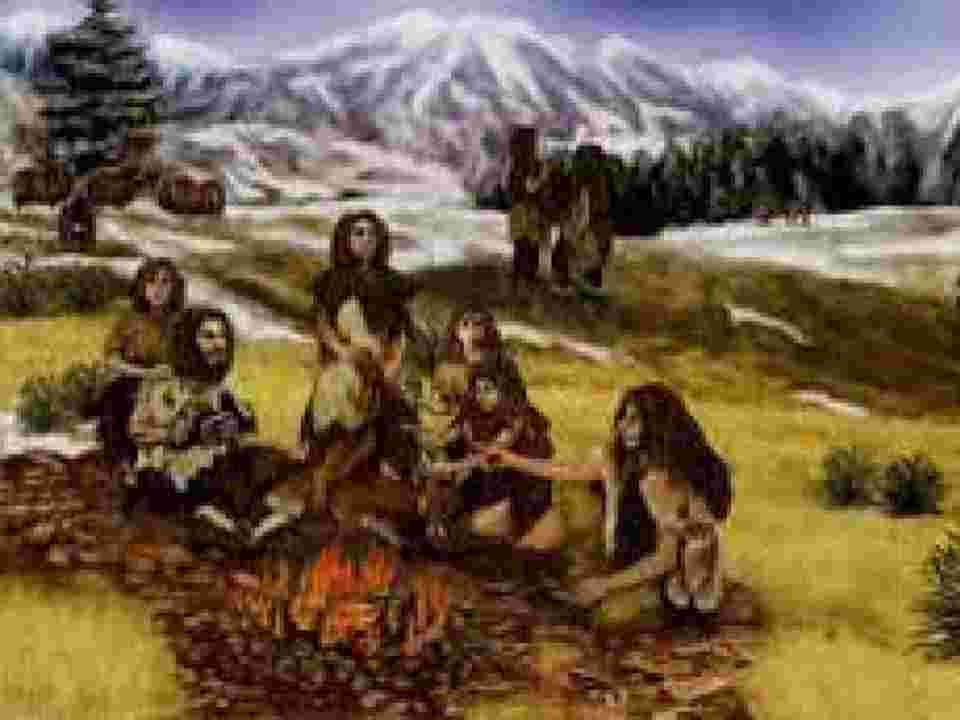
Neanderthals (Homo neanderthalensis) evolved roughly 400,000 years ago and thrived in Europe and western Asia’s cold climates. Their stocky build and broad noses helped conserve heat and warm frigid air. Surprisingly, their brains were slightly larger on average than those of modern humans. Neanderthals mastered the use of fire, crafted tools, and made clothing. Genetic research confirms that 1–2% of the DNA in today’s European and Asian populations originates from Neanderthals, influencing traits such as immunity. Though they disappeared about 40,000 years ago, their genetic imprint endures.
Denisovans – The Elusive Relatives Of Asia
The Denisovans were identified in 2008 from a single finger bone found in Siberia’s Denisova Cave. They lived between 300,000 and 25,000 years ago and split from the Neanderthal lineage about 550,000 to 765,000 years ago. These ancient humans ranged from Siberia to Southeast Asia, and genetic evidence suggests they had dark features skin, hair, and eyes. A rare hybrid fossil revealed an individual with one Denisovan and one Neanderthal parent. Their genes survive in some Asian and Oceanian populations, contributing to adaptations such as high-altitude tolerance in Tibetans.
Homo Naledi – A Small-Brained Species With Big Questions
Discovered in South Africa’s Rising Star Cave system in 2013, Homo naledi lived around 335,000 to 236,000 years ago. Despite a modest brain size (465–560 cm³), they lived alongside early Homo sapiens. Their anatomy shows climbing ability, suggesting a mix of arboreal and ground-based lifestyles. While no genetic evidence links them to modern humans, their existence highlights that evolutionary success wasn’t solely tied to brain size or advanced tools.
Homo Floresiensis – The “Hobbits” Of Indonesia
In 2003, scientists uncovered Homo floresiensis on the Indonesian island of Flores. Standing just 1.1 metres tall with a brain size of about 400 cm³, they earned the nickname “Hobbits.” Despite their size, they used stone tools and hunted dwarf elephants. Likely descended from Homo erectus, they underwent island dwarfism, a process where species shrink in isolated environments. They lived until 38,000–60,000 years ago, overlapping with Homo sapiens and possibly inspiring local legends of small forest dwellers.
Homo Erectus – The Great Migrators
Homo erectus, emerging roughly 1.9 million years ago, was the first human species to migrate out of Africa. They spread into Europe and Asia, pioneering innovations like fire use, long-distance walking, and persistence hunting. Their anatomy marked a significant step toward modern human form. Homo erectus eventually gave rise to Homo heidelbergensis, the ancestor of Neanderthals, Denisovans, and ultimately Homo sapiens. They survived in some Asian regions until about 140,000 years ago.
An Interwoven Evolutionary Story
These discoveries confirm that human evolution was not a simple, straight line. It was a web of species sharing time, space, and genes. Interbreeding with Neanderthals and Denisovans helped modern humans adapt to new climates and diseases. The late Pleistocene was a period of extraordinary biological and cultural diversity a reminder that our evolutionary past is a shared and interconnected tapestry.
Welcome to Notopedia.com, your free learning platform that caters to the diverse needs of students and aspirants across a spectrum of entrance exams and educational endeavors. Whether you're preparing for highly anticipated exams like CAT, NEET, JEE Main, or bank job vacancies, our platform offers a wealth of resources to guide you towards success. Stay up-to-date with the latest exam dates, announcements, and results for various government recruitment exams, including SSC CGL, CHSL, NDA, and UPSC. Explore comprehensive study materials, sample papers, and exam patterns to hone your skills and boost your confidence. From important dates like CBSE Class 10 and 12 date sheets to exam-specific information like JEE Main application form date, we cover it all. Notopedia.com is your go-to source for everything from admissions and admit cards to scholarships and college information. Whether you're aiming for a career in defense, government, banking, or higher education, our free learning platform equips you with the knowledge and resources you need to excel. Join us in your educational journey and unlock a world of opportunities, guidance, and comprehensive support.
For more Updates and Information - Visit Notopedia's Bulletin Board
For Latest Sarkari Jobs - Visit Notopedia's Sarkari Jobs Section
For access to more than 20,000 Colleges - Visit Notopedia's College Section
For School Studies and Exams Preparation across 14 Boards - Visit Notopedia's School Section
For Comprehensive Preparation of Sarkari Job Exams - Visit Notopedia's Sarkari Exams Section
- Human evolution
- Neanderthals
- Denisovans
- Homo naledi
- Homo floresiensis
- Homo erectus
- ancient human species
- interbreeding
- Pleistocene history
The Notopedia Bulletin Board
News about the latest admissions, results, upcoming government jobs, Sarkari exams and many more.


