 CURRENT AFFAIRS

 CURRENT AFFAIRS
Description

DNA fingerprinting has become an indispensable tool in forensic science, ancestry determination, and biological research. The ability to analyze variations in DNA sequences—known as DNA polymorphisms—has transformed criminal investigations, aided in solving cold cases, exonerated wrongfully convicted individuals, and shed light on historical genetics.
Understanding DNA: The Blueprint of Life
Deoxyribonucleic Acid (DNA) is the fundamental genetic material found in nearly all living cells, including blood, skin, bone, and teeth. It carries the hereditary instructions necessary for growth, development, and biological functions.
Each human possesses 46 chromosomes, arranged in 23 pairs:
One set of 23 chromosomes is inherited from the father (via sperm).
The other set of 23 chromosomes is inherited from the mother (via the egg).
Within these chromosomes are genes, which influence an individual’s traits, such as eye color, height, and susceptibility to diseases. These genetic blueprints are passed down through generations and serve as the foundation for genetic identity and forensic investigations.
About DNA Polymorphisms
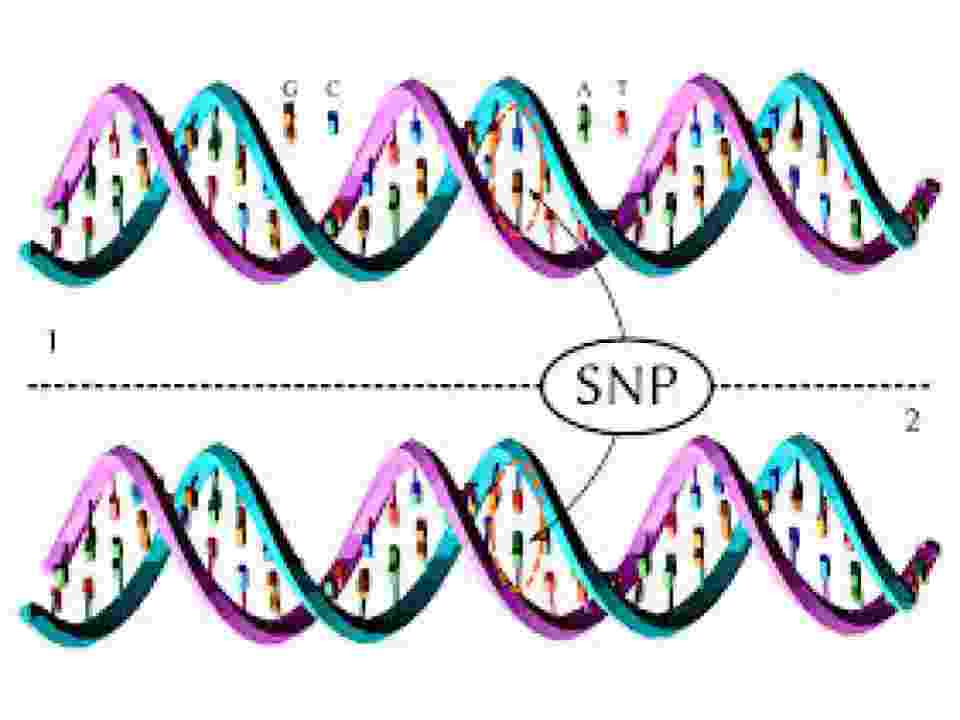
DNA polymorphisms refer to the natural variations in DNA sequences among individuals. These differences occur at specific regions of DNA and contribute to genetic diversity. They are crucial in a variety of applications, including:
Forensic investigations – Used to match suspects to crime scene evidence.
Parental verification – Establishing biological parentage through genetic markers.
Ancestry research – Tracing lineage and genetic heritage.
Medical research – Studying genetic predispositions to diseases.
Since every person (except identical twins) has a unique DNA sequence, analyzing polymorphic regions enables precise identification.
Short Tandem Repeats (STRs): Key Markers In DNA Profiling
Short Tandem Repeats (STRs) are specific regions in DNA where a short sequence of bases (A, T, C, G) is repeated multiple times. The number of repeats varies between individuals, making STRs particularly useful in forensic investigations and genetic studies.
Example of an STR sequence:
A repeating DNA pattern such as GATC-GATC-GATC on one strand
Corresponding complementary strand: CTAG-CTAG-CTAG
STRs Are Used In DNA Analysis
Forensic DNA Profiling - STR analysis is a gold standard in criminal investigations. DNA extracted from a crime scene is compared to a suspect’s STR profile to determine matches.
Paternity and Kinship Testing - Since STRs are inherited, they help establish parent-child relationships with high accuracy.
Ancestry and Genealogy Studies - Unique STR patterns allow researchers to trace family lineage and genetic ancestry.
Polymerase Chain Reaction (PCR): How DNA Is Amplified For Analysis
The Polymerase Chain Reaction (PCR) is a molecular technique that enables scientists to amplify (copy) tiny amounts of DNA, producing millions of identical strands for analysis. This method is essential for forensic DNA profiling, medical research, and genetic studies.
Steps Of PCR
DNA Extraction: DNA is collected from biological samples such as blood, saliva, bones, or hair.
Denaturation (95°C): The double-stranded DNA is heated to separate it into two single strands.
Annealing (60°C): Short DNA primers bind to specific target regions on the separated strands.
Extension (72°C): DNA polymerase enzyme synthesizes new DNA strands by adding complementary bases to the original templates.
Recycling Process: These steps are repeated multiple times to exponentially increase the DNA quantity.
PCR is a powerful tool because it allows forensic scientists to analyze degraded or minute DNA samples, making it invaluable in solving cases where evidence is limited.
About DNA Fingerprinting
DNA fingerprinting is a unique genetic profile generated using STR analysis. It is widely used in forensic investigations, paternity tests, and ancestry research.
DNA Fingerprinting Works
Capillary Electrophoresis - DNA fragments are placed in a capillary tube and subjected to an electric field.
Separation by Size - Smaller DNA fragments move faster, while larger ones move slower, creating distinct patterns.
Generation of a Unique DNA Profile - The final STR pattern is analyzed to match individuals to crime scenes or biological relatives.
Sources Of DNA For Fingerprinting
Blood, saliva, and sweat – Common sources in forensic cases.
Hair and skin cells – Frequently found in crime scene evidence.
Teeth and bones – Useful for identifying remains, especially in historical and forensic anthropology cases.
Semen and other bodily fluids – Key evidence in sexual assault investigations.
DNA polymorphisms, STR analysis, and PCR technology have revolutionized forensic science and genetic research. These tools have been instrumental in securing justice, verifying identities, solving historical mysteries, and advancing medical genetics. As technology continues to improve, DNA analysis will play an even more significant role in legal investigations, ancestry studies, and biomedical research.
Welcome to Notopedia.com, your free learning platform that caters to the diverse needs of students and aspirants across a spectrum of entrance exams and educational endeavors. Whether you're preparing for highly anticipated exams like CAT 2023, NEET 2023, JEE Main, or bank job vacancies, our platform offers a wealth of resources to guide you towards success. Stay up-to-date with the latest exam dates, announcements, and results for various government recruitment exams, including SSC CGL, CHSL, NDA, and UPSC. Explore comprehensive study materials, sample papers, and exam patterns to hone your skills and boost your confidence. From important dates like CBSE Class 10 and 12 date sheets to exam-specific information like JEE Main 2023 application form date, we cover it all. Notopedia.com is your go-to source for everything from admissions and admit cards to scholarships and college information. Whether you're aiming for a career in defense, government, banking, or higher education, our free learning platform equips you with the knowledge and resources you need to excel. Join us in your educational journey and unlock a world of opportunities, guidance, and comprehensive support.
For more Updates and Information - Visit Notopedia's Bulletin Board
For Latest Sarkari Jobs - Visit Notopedia's Sarkari Jobs Section
For access to more than 20,000 Colleges - Visit Notopedia's College Section
For School Studies and Exams Preparation across 14 Boards - Visit Notopedia's School Section
For Comprehensive Preparation of Sarkari Job Exams - Visit Notopedia's Sarkari Exams Section
- DNAAnalysis
- ForensicScience
- STRAnalysis
- PCR
- DNAFingerprinting
- CrimeInvestigation
- GeneticResearch
- AncestryTracing
- JusticeSystem
- Biotechnology
The Notopedia Bulletin Board
News about the latest admissions, results, upcoming government jobs, Sarkari exams and many more.


