 CURRENT AFFAIRS

 CURRENT AFFAIRS
Description

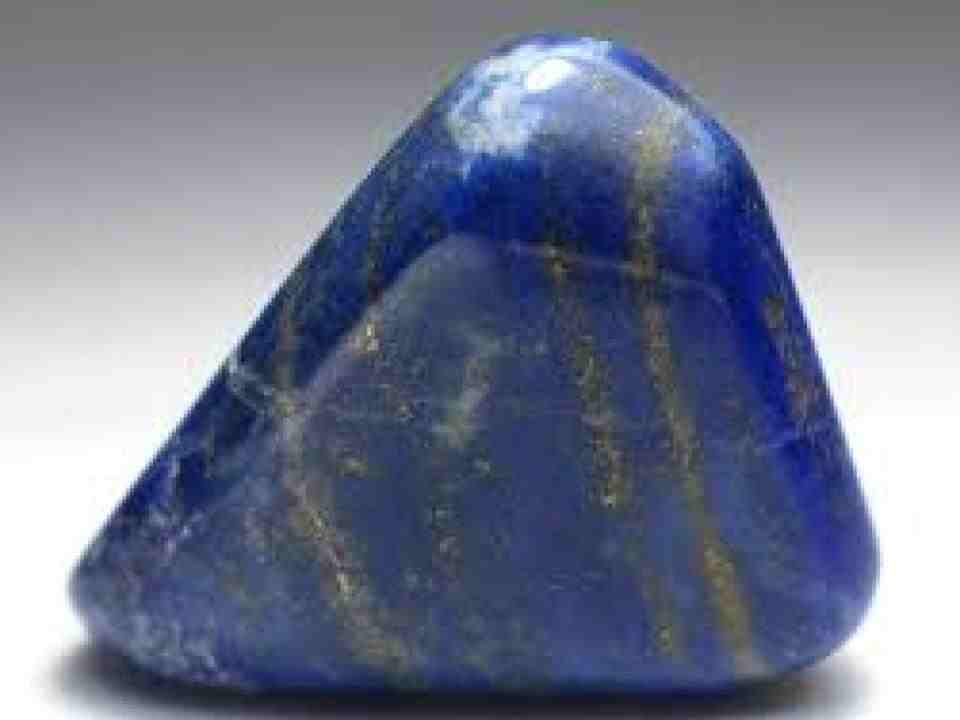
Lapis lazuli is a deep-blue metamorphic rock prized for its rich color and historical significance as a semi-precious gemstone. This vibrant stone has been cherished for thousands of years, used in jewelry, decorative carvings, and even as a pigment in art. Beyond its aesthetic appeal, lapis lazuli has also held symbolic and cultural significance across various civilizations, often associated with wisdom, truth, and royalty.
Etymology And Meaning
The name lapis lazuli originates from a combination of Latin and Persian roots:
Lapis (Latin) means "stone."
Lazuli derives from the Persian word Lazward, which means "blue," reflecting the stone’s most distinctive feature.
Composition Of Lapis Lazuli
Lapis lazuli is not a single mineral but rather a rock composed of multiple minerals. Its characteristic blue color primarily comes from lazurite, a rare mineral that makes up 25-40% of the stone. The intensity and shade of the blue depend on the amount and structure of sulfur within lazurite. Other minerals commonly found in lapis lazuli include:
Pyrite – Appears as golden flecks or veins, adding a metallic shimmer to the stone.
Calcite – Often present as white streaks or patches, which can reduce the intensity of the blue.
Diopside and Sodalite – Found in smaller amounts, contributing to the stone’s overall composition and color variations.
Lapis Lazuli Found
Lapis lazuli is primarily sourced from a few select regions around the world. The highest-quality specimens come from:
Afghanistan – The most famous and historically significant deposits are found in the Badakhshan province, where mining has taken place for over 6,000 years. Afghan lapis is known for its intense, uniform blue color with minimal calcite and vibrant pyrite inclusions.
Chile – The second-largest source of lapis lazuli, known for stones with lighter shades of blue and more calcite content.
Russia – Deposits in the Lake Baikal region produce deep blue lapis with strong pyrite inclusions.
United States – Found in California and Colorado, but in smaller quantities compared to other regions.
Lapis Lazuli In History And Culture
Ancient Trade and Use in India
Lapis lazuli has a long history of trade and use in India, dating back to at least 1000 BCE. It was primarily imported from Afghanistan's Badakhshan mines. Excavations at sites like Mohenjo-daro and Harappa, part of the ancient Indus Valley Civilization, have uncovered lapis lazuli jewelry and artifacts, indicating its early use in ornamentation and trade networks.
Ancient Egypt
The Egyptians valued lapis lazuli immensely, considering it a stone of the gods. It was used extensively in jewelry, amulets, and statues. The famous golden death mask of Pharaoh Tutankhamun features inlays of lapis lazuli. Additionally, the stone was ground into powder and used as eyeshadow by Egyptian royalty and priests.
Renaissance Europe and Art
During the Renaissance, lapis lazuli was ground into a fine powder to create ultramarine, one of the most prized blue pigments in art history. This pigment was used in some of the most famous paintings of the time, including works by Leonardo da Vinci and Michelangelo. Ultramarine was more expensive than gold, making it a symbol of prestige and divine beauty in religious paintings.
Symbolism And Healing Properties
Throughout history, lapis lazuli has been associated with wisdom, truth, and spiritual enlightenment. In ancient civilizations, it was believed to enhance intellect and encourage honest communication. Even today, it is considered a stone of protection and clarity, often used in meditation and holistic healing practices.
Conclusion
Lapis lazuli is more than just a gemstone; it is a symbol of history, culture, and artistic achievement. From the ancient Indus Valley to the tombs of Egyptian pharaohs and the masterpieces of Renaissance painters, this striking blue stone has captivated humanity for millennia. With its rich past and enduring allure, lapis lazuli remains one of the most treasured and historically significant stones in the world.
Welcome to Notopedia.com, your free learning platform that caters to the diverse needs of students and aspirants across a spectrum of entrance exams and educational endeavors. Whether you're preparing for highly anticipated exams like CAT 2023, NEET 2023, JEE Main, or bank job vacancies, our platform offers a wealth of resources to guide you towards success. Stay up-to-date with the latest exam dates, announcements, and results for various government recruitment exams, including SSC CGL, CHSL, NDA, and UPSC. Explore comprehensive study materials, sample papers, and exam patterns to hone your skills and boost your confidence. From important dates like CBSE Class 10 and 12 date sheets to exam-specific information like JEE Main 2023 application form date, we cover it all. Notopedia.com is your go-to source for everything from admissions and admit cards to scholarships and college information. Whether you're aiming for a career in defense, government, banking, or higher education, our free learning platform equips you with the knowledge and resources you need to excel. Join us in your educational journey and unlock a world of opportunities, guidance, and comprehensive support.
For more Updates and Information - Visit Notopedia's Bulletin Board
For Latest Sarkari Jobs - Visit Notopedia's Sarkari Jobs Section
For access to more than 20,000 Colleges - Visit Notopedia's College Section
For School Studies and Exams Preparation across 14 Boards - Visit Notopedia's School Section
For Comprehensive Preparation of Sarkari Job Exams - Visit Notopedia's Sarkari Exams Section
- Lapis Lazuli?
- History of Lapis Lazuli?
- Lapis Lazuli in Art?
- Cultural Significance of Gemstones?
- Lapis Lazuli Jewelry?
- Ultramarine Pigment?
- Ancient Gemstones
The Notopedia Bulletin Board
News about the latest admissions, results, upcoming government jobs, Sarkari exams and many more.


