 CURRENT AFFAIRS

 CURRENT AFFAIRS
Description

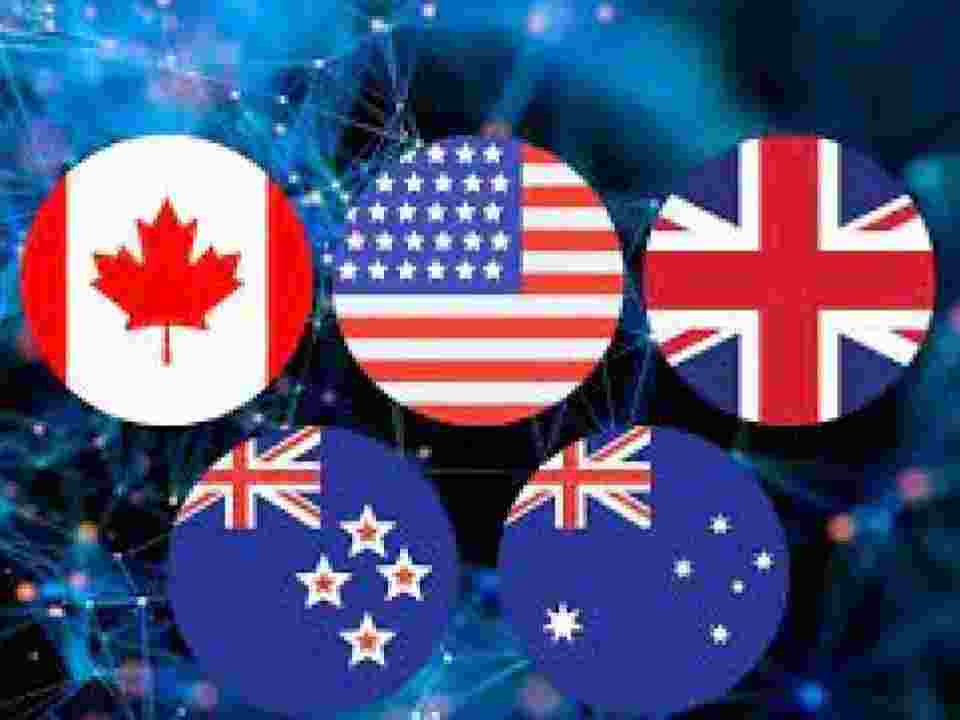
The Five Eyes intelligence alliance is currently facing significant challenges. Established during World War II, it consists of the United States, the United Kingdom, Canada, Australia, and New Zealand. Recent shifts in U.S. foreign policy under the leadership of Donald Trump have disrupted longstanding assumptions about the cooperation between these nations, raising concerns about the future of intelligence sharing and collaboration within the group.
Formation And Evolution
The roots of the Five Eyes date back to wartime intelligence sharing. In 1946, the U.S. and the UK created a bilateral agreement to exchange intelligence, which was later expanded to include Canada in 1948, followed by Australia and New Zealand in 1956. Initially focused on signals intelligence, the alliance was instrumental in monitoring enemy communications. During the Cold War, the Five Eyes played a key role in tracking Soviet activities. After the September 11 attacks, the alliance’s scope expanded to include counterterrorism efforts and cybersecurity. In recent years, the focus has increasingly shifted toward China and its growing global influence.
Recent Developments
In response to emerging global threats, the Five Eyes have strengthened their collaboration, particularly around issues such as national security risks posed by certain foreign companies. A notable example is the 2018 warning issued by the alliance's intelligence chiefs regarding Huawei’s involvement in 5G networks, citing potential security concerns. Additionally, the alliance has bolstered its military cooperation, particularly in the Indo-Pacific region. The AUKUS pact, which involves the sharing of nuclear-powered submarine technology, has marked a new phase in military ties among the five countries.
Internal Strains
Although the Five Eyes alliance has historically been marked by strong cooperation, internal tensions have emerged in recent years. The foreign policy of former President Trump caused strain among the member nations. His aggressive trade tactics, controversial rhetoric, and unpredictable diplomatic style raised alarms. His suggestion that Canada could be integrated as the "51st state" of the U.S. was especially unsettling for many within the alliance. Furthermore, his relationship with Britain, along with other foreign policy decisions, has contributed to growing concerns over the long-term stability of the alliance.
Impact Of Changes In U.S. Leadership
The appointment of Tulsi Gabbard as Director of National Intelligence has further complicated matters. Some members of the Five Eyes have expressed concerns about the potential for erratic intelligence-sharing practices, as well as a shift in focus towards more nationalist policies in the U.S. These changes in leadership have sparked unease among the allied nations, with fears that the alliance’s collective security could be weakened by the evolving political climate in the U.S.
Future Outlook
The future of the Five Eyes depends largely on resolving internal conflicts and navigating the complexities of U.S. foreign policy under its current leadership. Maintaining effective intelligence sharing and military collaboration will be crucial to the alliance’s continued relevance. How the Five Eyes adapt to the changing geopolitical environment, particularly regarding threats like China, will determine the long-term success and stability of the alliance.
Welcome to Notopedia.com, your free learning platform that caters to the diverse needs of students and aspirants across a spectrum of entrance exams and educational endeavors. Whether you're preparing for highly anticipated exams like CAT 2023, NEET 2023, JEE Main, or bank job vacancies, our platform offers a wealth of resources to guide you towards success. Stay up-to-date with the latest exam dates, announcements, and results for various government recruitment exams, including SSC CGL, CHSL, NDA, and UPSC. Explore comprehensive study materials, sample papers, and exam patterns to hone your skills and boost your confidence. From important dates like CBSE Class 10 and 12 date sheets to exam-specific information like JEE Main 2023 application form date, we cover it all. Notopedia.com is your go-to source for everything from admissions and admit cards to scholarships and college information. Whether you're aiming for a career in defense, government, banking, or higher education, our free learning platform equips you with the knowledge and resources you need to excel. Join us in your educational journey and unlock a world of opportunities, guidance, and comprehensive support.
For more Updates and Information - Visit Notopedia's Bulletin Board
For Latest Sarkari Jobs - Visit Notopedia's Sarkari Jobs Section
For access to more than 20,000 Colleges - Visit Notopedia's College Section
For School Studies and Exams Preparation across 14 Boards - Visit Notopedia's School Section
For Comprehensive Preparation of Sarkari Job Exams - Visit Notopedia's Sarkari Exams Section
- Five Eyes intelligence alliance
- United Kingdom
- Canada
- Australia
- New Zealand
- U.S. Foreign Policy
The Notopedia Bulletin Board
News about the latest admissions, results, upcoming government jobs, Sarkari exams and many more.


