 CURRENT AFFAIRS

 CURRENT AFFAIRS
Description

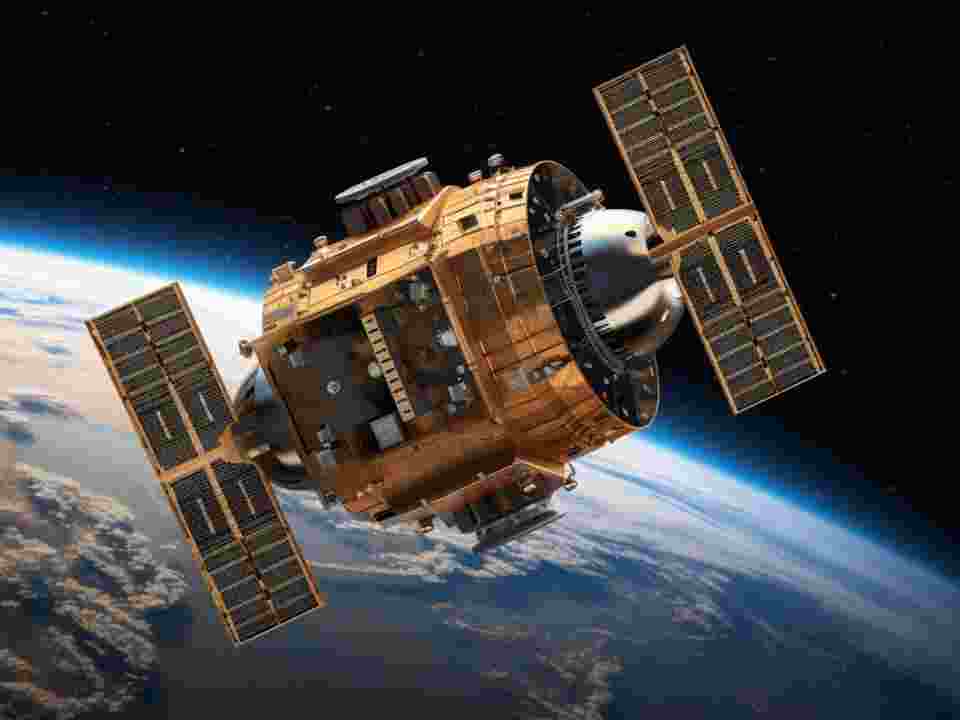
Japanese scientists launched the world's first wooden satellite, LignoSat, in a groundbreaking experiment in sustainable space technology. Kyoto University and Sumitomo Forestry collaborated to develop this satellite, which intends to investigate the possibilities of timber as a material for future space living and buildings. The novel experiment, which employs honoki wood, is intended to test the resilience of wood in extreme space conditions, potentially paving the way for long-term human settlements in space using renewable resources.
Development And Concept Of LignoSat
- A collaborative effort between Kyoto University and Sumitomo Forestry
LignoSat was developed in a collaboration between Kyoto University, directed by astronaut and professor Takao Doi, and Sumitomo Forestry, a Japanese homebuilding corporation. A SpaceX mission delivered the satellite to the International Space Station (ISS), where it will spend the next six months orbiting around 400 kilometers above the Earth.
- Inspiration & Materials
LignoSat is made of honoki wood, a type of Japanese magnolia commonly used in sword sheaths. This wood was chosen for its endurance and tenacity, which were proven during a 10-month trial aboard the ISS. Inspired by early wooden aircraft, LignoSat was built without screws or glue, demonstrating traditional Japanese craftsmanship while also aligning with the ideals of sustainable and environmentally friendly space travel.
Goals Of The Wooden Satellite Project
- Timber as a Space-Suitable Material
The primary goal of LignoSat is to assess the viability of lumber as a sustainable material for space constructions. Professor Takao Doi envisions timber as a renewable resource that can be manufactured, developed, and used indefinitely in space. "With timber, a material we can produce ourselves, we can build houses, live, and work in space indefinitely," added Doi, expressing the long-term aim of developing timber-based habitats on celestial bodies like the Moon and Mars.
- Long-Term Space Exploration Strategy
The LignoSat project is part of Doi's team's 50-year strategy, which aims to develop wooden structures in space that are robust and have a lower environmental impact when decommissioned. Because wood decomposes naturally, wooden spacecraft and buildings would have a low environmental impact, providing a sustainable alternative to typical space materials.
Testing And Challenges Of Space Environment
- Extreme temperature fluctuations
Space is an extremely hostile environment, with temperatures ranging from -100°C to 100°C. LignoSat's six-month orbit will expose it to these temperature fluctuations, putting the longevity and tenacity of honoki wood to the test. The satellite's journey around Earth will evaluate whether wood can withstand such severe changes, which is critical for the material's future use in space.
- Protection from cosmic radiation
Apart from temperature resistance, LignoSat will examine how well honoki wood protects semiconductor components from cosmic radiation. This trait is particularly interesting for the construction of future data centers in space, where lumber might provide effective and environmentally friendly radiation protection, strengthening wood's worth as a sustainable material for space applications.
Environmental Benefits And Sustainability
- Lower environmental impact
Wooden satellites, such as LignoSat, are substantially less hazardous to the environment after they are no longer in service since wood decomposes naturally. This lessens space trash and lowers the long-term environmental impact of space operations.
- NASA-certified design
The LignoSat's design meets NASA-certified specifications for space-suitable materials, demonstrating wood's potential as a viable option for space exploration. This certification helps future plans to use renewable resources into space projects, which aligns with worldwide efforts to reduce environmental impact.
Welcome to Notopedia.com, your comprehensive and free online education resource that covers a vast array of competitive exams and government job opportunities in India. We understand the importance of excelling in sarkari exams, such as UPSC, IBPS, and SSC CGL, SSC CHSL which serve as gateways to esteemed government positions. Our platform offers detailed insights into exam patterns, syllabus, and previous year question papers for various exams, including NEET, JEE, CAT, CLAT, GATE and more. Whether you're preparing for banking exams like IBPS, SBI, railway recruitment or railway exams like RRB, or seeking admission to top-notch MBA and law programs, Notopedia provides you with a wealth of free study materials, mock tests, online test series and expert guidance. Stay up-to-date with the latest exam dates, results, and admit cards for exams like JEE Main, UGC NET, and CET. As you embark on your educational journey, make Notopedia your go-to destination for free mock tests, comprehensive resources, and the latest updates on sarkari results, government job vacancies, and competitive exams. Empower your learning with Notopedia and achieve your academic and career aspirations with confidence.
For more Updates and Information - Visit Notopedia's Bulletin Board
For Latest Sarkari Jobs - Visit Notopedia's Sarkari Jobs Section
For access to more than 20,000 Colleges - Visit Notopedia's College Section
For School Studies and Exams Preparation across 14 Boards - Visit Notopedia's School Section
For Comprehensive Preparation of Sarkari Job Exams - Visit Notopedia's Sarkari Exams Section
- Japanese Scientists
- World First Wooden Satellite LignoSat
- Sustainable Space Technology
- Kyoto University
- Sumitomo Forestry
The Notopedia Bulletin Board
News about the latest admissions, results, upcoming government jobs, Sarkari exams and many more.


