 CURRENT AFFAIRS

 CURRENT AFFAIRS
Description
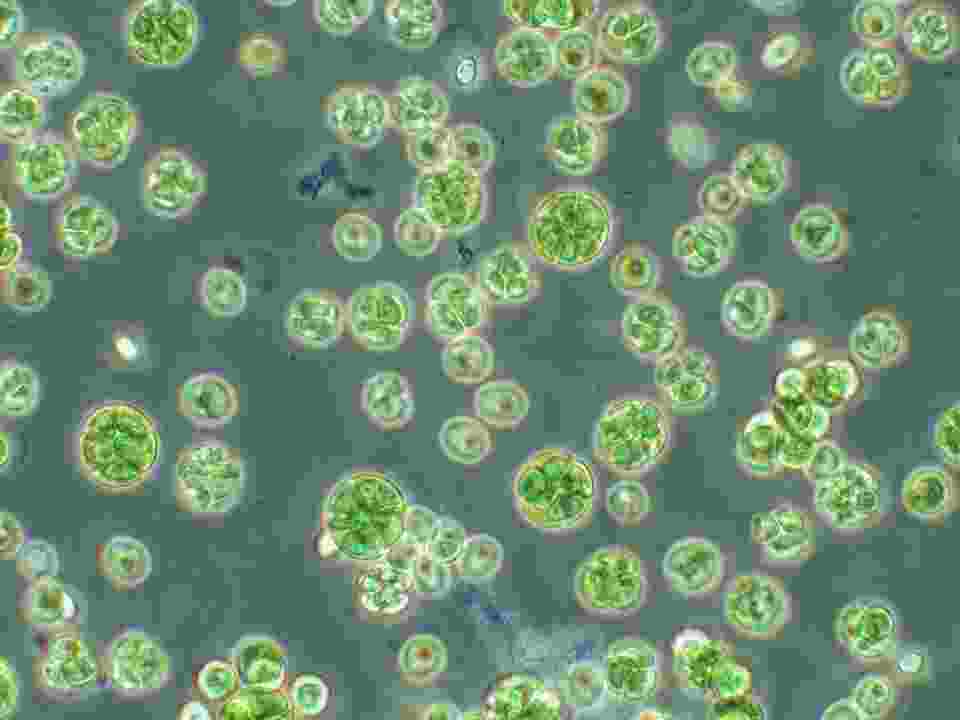
According to a recent study published in the journal Nature Microbiology, microalgae, which play an important role in the marine food chain and carbon dioxide capture, have developed a novel technique to cope with global warming. As climate change limits the availability of nutrients in the water, these marine microalgae activate rhodopsin, a protein linked to the low-light vision protein in the human eye. Rhodopsin promotes the growth of microalgae by using sunlight instead of typical chlorophyll when nutrients are scarce.
Global Warming's Effect on Ocean Nutrients
As global warming warms the ocean's surface waters, less mixing occurs with nutrient-rich deeper waters. This causes nutrient scarcity in the surface layers, which affects primary producers such as microalgae.
Reduced nutrient availability results in lower food production and carbon dioxide collection by microalgae, analogous to decreasing crop yields on land when iron- and nitrogen-rich fertilizers are scarce.
The Function of Rhodopsins
In the lab, researchers cloned rhodopsins and confirmed that they collect light to make energy (adenosine triphosphate, or ATP), the energy currency of all cells.
Rhodopsin transcript were discovered to be higher in low latitudes, where ocean waters mix less and nutrient concentrations are lower.
Using Sunlight to Grow
Microalgae require sunlight to create food and remove CO2 from the environment, but they also require a substantial amount of iron. Around 35% of the ocean's surface lacks enough iron to enable algal development.
This is especially true in the iron-limited Southern Ocean, which is home to varied marine organisms such as krill, fish, penguins, and whales, all of which rely on primary producers such as microalgae.
Potential Applications and Advantages
The findings of the study may aid in mitigating the negative effects of changing climatic circumstances, such as ocean warming and decreased crop output.
This technique could potentially be used to boost the activity of microbes that do not require light, allowing for biotechnological applications such as insulin manufacturing, antibiotic research, enzyme manufacture, antiviral drugs, and biofuel production.
Welcome to Notopedia.com, your free learning platform that caters to the diverse needs of students and aspirants across a spectrum of entrance exams and educational endeavors. Whether you're preparing for highly anticipated exams like CAT 2023, NEET 2023, JEE Main, or bank job vacancies, our platform offers a wealth of resources to guide you towards success. Stay up-to-date with the latest exam dates, announcements, and results for various government recruitment exams, including SSC CGL, CHSL, NDA, and UPSC. Explore comprehensive study materials, sample papers, and exam patterns to hone your skills and boost your confidence. From important dates like CBSE Class 10 and 12 date sheets to exam-specific information like JEE Main 2023 application form date, we cover it all. Notopedia.com is your go-to source for everything from admissions and admit cards to scholarships and college information. Whether you're aiming for a career in defense, government, banking, or higher education, our free learning platform equips you with the knowledge and resources you need to excel. Join us in your educational journey and unlock a world of opportunities, guidance, and comprehensive support.
For more Updates and Information - Visit Notopedia's Bulletin Board
For Latest Sarkari Jobs - Visit Notopedia's Sarkari Jobs Section
For access to more than 20,000 Colleges - Visit Notopedia's College Section
For School Studies and Exams Preparation across 14 Boards - Visit Notopedia's School Section
For Comprehensive Preparation of Sarkari Job Exams - Visit Notopedia's Sarkari Exams Section


