 CURRENT AFFAIRS

 CURRENT AFFAIRS
Description

A huge pilosaur's fossil remains were recently unearthed in England. Due to the vast size estimation, their finding is significant.
Pliosaurs, including their short-necked relatives, were mostly discovered in Europe's prehistoric waters. When compared to their long-necked cousins, the plesiosaurs, these ancient marine reptiles were well-adapted for life in the water and were constructed for speed. Between 220 and 70 million years ago, they ruled the waters, leaving an indelible influence on Earth's history.
About Pliosaurs
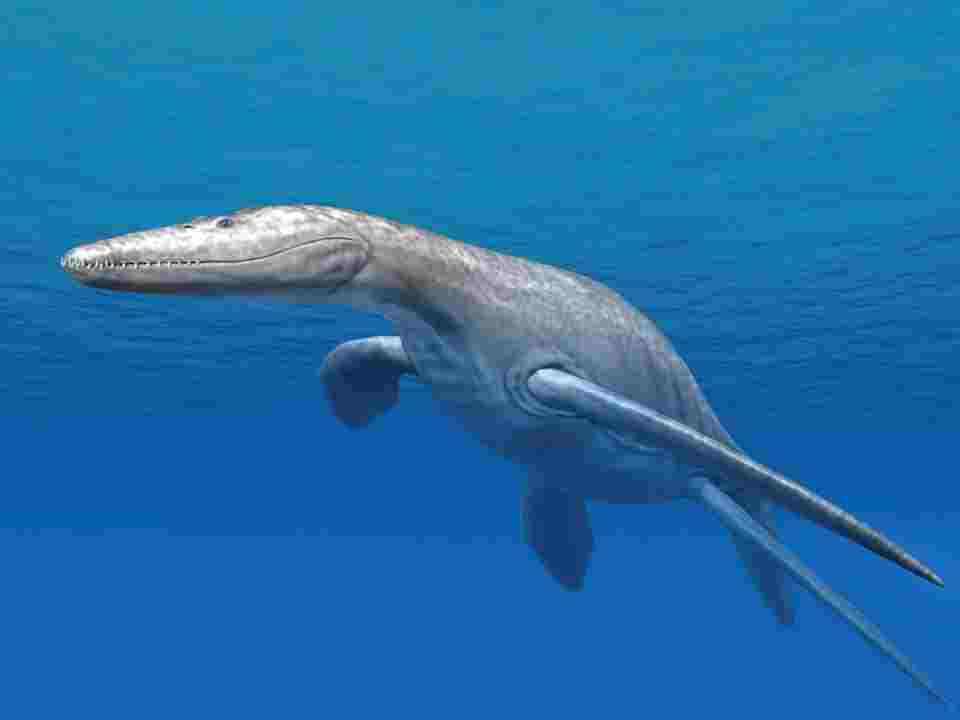
Although pliosaurs are frequently connected with dinosaurs, they are not classified as dinosaurs. They are, instead, distant relatives of modern turtles. These amazing reptiles had various distinguishing characteristics that marked them apart from other marine species of the time.
Pliosaurs were apex predators of the ancient oceans, with tremendous hunting adaptations. They were fierce hunters, with four flipper-like limbs, big crocodile-like heads, and enormous fangs. They ate fish, cephalopod mollusks, and even other sea reptiles. Their enormous skulls and powerful jaws enabled them to easily take down their prey.
Controversial Claims And New Discoveries
One of the most renowned pliosaurs, Liopleurodon, stirred debate when it was supposed to be a massive beast measuring 25 metres in length and weighing 150 tonnes. However, the presence of such massive pliosaurs remains unknown. Instead, fresh finds shed light on a distinct species from England's Kimmeridge Clay Formation.
Kimmeridge Clay Pliosaur
Palaeontologists discovered four cervical vertebrae of a pliosaur in the Kimmeridge Clay Formation of Oxfordshire, England. These specimens are renowned for their size, with maximum dimensions exceeding 27 cm in breadth, 22 cm in height, and 10 cm in length. Scaling and comparisons with other Jurassic and Cretaceous pliosaurs indicate that this Kimmeridge Clay pliosaur's body length ranged from 9.8 to 14.4 metres.
Traces Of Pliosaur Feeding Behavior
Bite marks discovered on ichthyosaur bones reinforce the theory that pliosaurs preyed on other marine reptiles. This shows that pliosaurs used to bite their prey in half and feast on the remains. Such feeding habits demonstrate their prehistoric marine ecosystem dominance.
A Peek Into The Past
The Kimmeridge Clay Formation fossils offer an insight into the prehistoric world of pliosaurs. With their crocodile-like skulls, powerful jaws, and imposing proportions, these unique aquatic reptiles were top predators of their day. While the claims about their enormous size are debatable, the latest discoveries provide vital insights into the diversity and adaptations of pliosaurs that formerly inhabited our oceans over 150 million years ago.
For more Updates and Information - Visit Notopedia's Bulletin Board
For Latest Sarkari Jobs - Visit Notopedia's Sarkari Jobs Section
For access to more than 20,000 Colleges - Visit Notopedia's College Section
For School Studies and Exams Preparation across 14 Boards - Visit Notopedia's School Section
For Comprehensive Preparation of Sarkari Job Exams - Visit Notopedia's Sarkari Exams Section
- Pliosaur
- England
- dinosaurs
- turtles
- Liopleurodon
- Kimmeridge Clay Formation
- Oxfordshire
- England
- Jurassic
- Cretaceous pliosaurs
- ichthyosaur
The Notopedia Bulletin Board
News about the latest admissions, results, upcoming government jobs, Sarkari exams and many more.


