 CURRENT AFFAIRS

 CURRENT AFFAIRS
Description

Recently, two US Senators, one Republican and one Democrat, introduced a bipartisan resolution in Congress reaffirming the US's recognition of the McMahon Line in Arunachal Pradesh as the international boundary between China and India. The resolution also supports India's position that Arunachal Pradesh is an integral part of India and condemns China's military aggression along the Line of Actual Control.
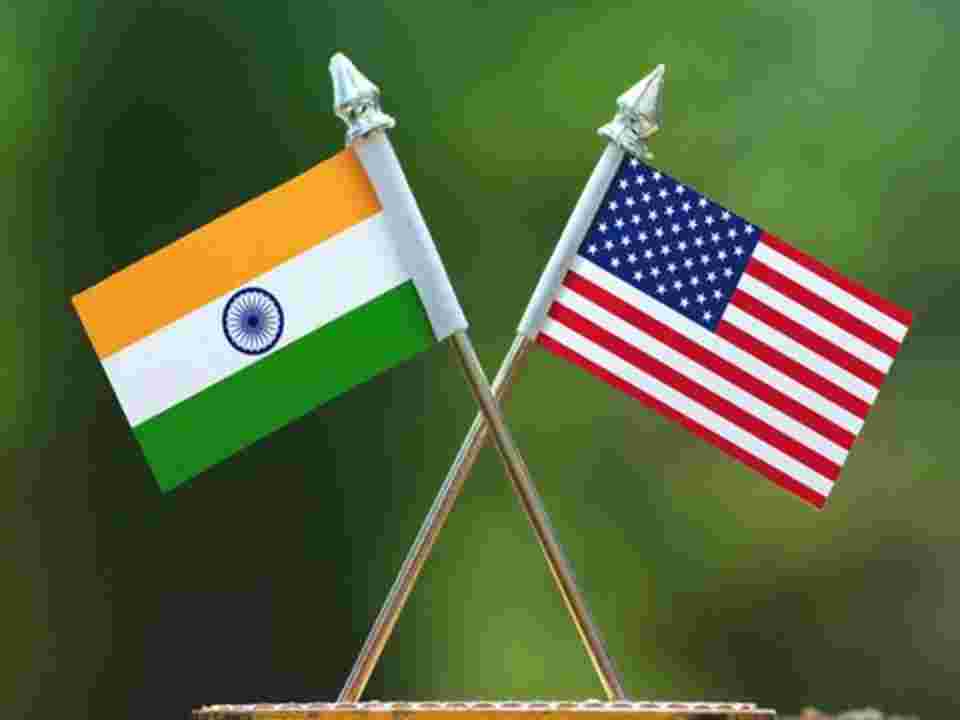
This article will look at the significance of the resolution and what it means for the US-India strategic partnership as well as the Free and Open Indo-Pacific initiative.
McMahon Line Background And Significance
The McMahon Line was drawn during the 1914 Simla Convention, which attempted to resolve the issue of Tibet's sovereignty and avoid further territorial disputes in the region. Sir Henry McMahon, the British Foreign Secretary in India at the time, inspired the name of the line.
The McMahon Line was established as a border between British India and Tibet, which was part of the Chinese empire at the time. China, on the other hand, refused to recognise the McMahon Line and continued to claim Arunachal Pradesh as part of its territory.
Arunachal Pradesh is now an Indian state, but China continues to claim the region as part of its territory. For decades, the region has been a source of contention between India and China, and tensions have recently years.
The US-India Strategic Partnership And The Free And Open Indo-Pacific Initiative
The two US Senators' resolution reaffirms the US' recognition of the McMahon Line as the international boundary between China and India in Arunachal Pradesh. This action is significant because it demonstrates the United States' commitment to defending India's sovereignty and territorial integrity.
Furthermore, the resolution seeks to strengthen the strategic partnership between the United States and India, as well as the Quad in support of the Free and Open Indo-Pacific initiative. The Free and Open Indo-Pacific initiative is a strategic concept aimed at promoting a rules-based order in the Indo-Pacific region as well as strengthening economic, diplomatic, and security ties between the United States and its regional partners.
The resolution condemning China's regional military aggression is also significant. China's aggressive actions along the Line of Actual Control have destabilised the region and jeopardised Indo-Pacific peace and security. By condemning China's actions, the United States sends a clear message that it will not tolerate any attempt to change the status quo through coercion or force.
For more Updates and Information - Visit Notopedia's Bulletin Board
For Latest Sarkari Jobs - Visit Notopedia's Sarkari Jobs Section
For access to more than 20,000 Colleges - Visit Notopedia's College Section
For School Studies and Exams Preparation across 14 Boards - Visit Notopedia's School Section
For Comprehensive Preparation of Sarkari Job Exams - Visit Notopedia's Sarkari Exams Section
For Comprehensive Preparation of Competitive Exams - Visit Notopedia's College Entrance Exams Section
- McMahon Line
- Simla Convention
- Arunachal Pradesh
- China
- India
- Line of Actual Control
- US-India
- Tibet
The Notopedia Bulletin Board
News about the latest admissions, results, upcoming government jobs, Sarkari exams and many more.


