 CURRENT AFFAIRS

 CURRENT AFFAIRS
Description

Overview
Nine Ministries signed a joint advisory to look into how grey water management may be planned based on the convergence model, together with those who are directly involved in the program's execution. The nine ministries that signed the joint advisory are M/o Rural Development, M/o Jal Shakti, M/o Youth Affairs and Sports, M/o Women & Child Development, M/o Health and Family Welfare, M/o Tribal Affairs, M/o Environment, Forest and Climate Change, M/o Education, and M/o Panchayati Raj.
The goal of this campaign
The Sujlam 2.0 initiative was started with the goal of regulating grey water through public engagement. There are plans for this initiative to engage communities like as schools, Panchayat, and anganwadis to assist with grey water management.
This campaign's funding
Grey water management funds will be given through the Swatch Bharat Mission-Gramin Phase II, grants under the 15th Finance Commission, and the MGNREGS, or a combination of all of them.
What exactly is grey water?
Grey water is domestic wastewater that is free of faeces and is created in homes, offices, and other structures. Showers, sinks, washing machines, and bathtubs are all sources of grey water. Because grey water contains less pathogens than domestic wastewater, it is safer to clean, handle, and reuse for landscaping, toilet flushing, agricultural irrigation, and other purposes.
How is grey water managed?
It is best controlled in areas where grey water is created. If grey water is allowed to build and so stagnate, it can provide a significant infrastructural and management burden.
For more Updates and Information - Click here
For access to more than 10,000 Colleges - Click here
For Latest Sarkari Jobs - Click here
For Comprehensive Preparation of Sarkari Job Exams - Click here
For Comprehensive Preparation of Competitive Exams - Click here
For School Studies and Exams Preparation across Eight Boards - Click here
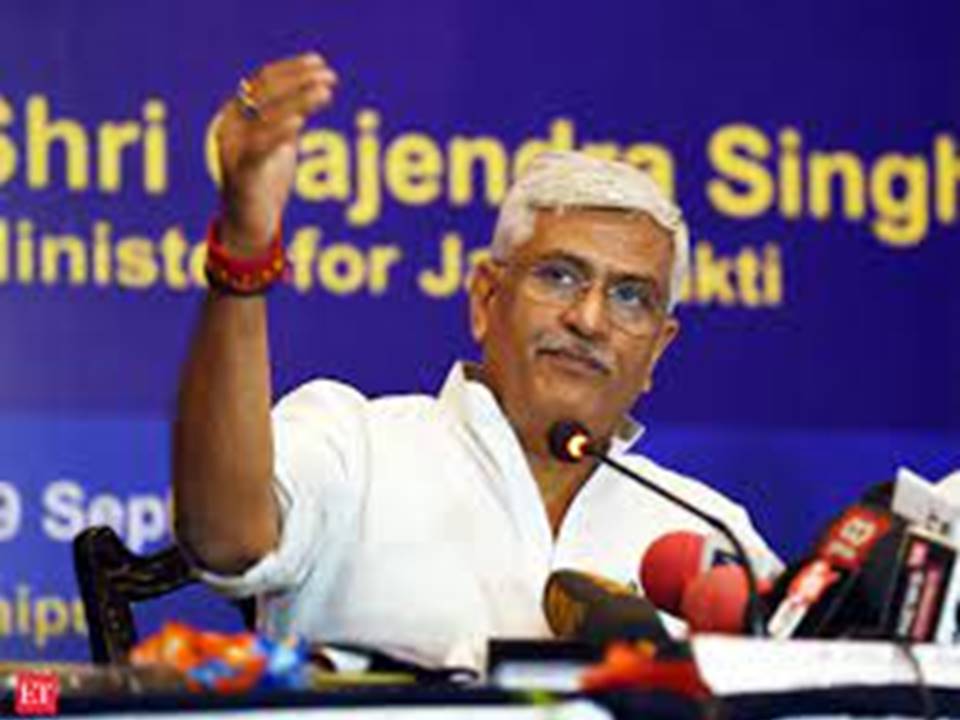
- Gajendra Singh Shekhawat
- Union Minister of Jal Shakti
- Health and Family Welfare
- Tribal Affairs
The Notopedia Bulletin Board
News about the latest admissions, results, upcoming government jobs, Sarkari exams and many more.


