 CURRENT AFFAIRS

 CURRENT AFFAIRS
Description

Overview
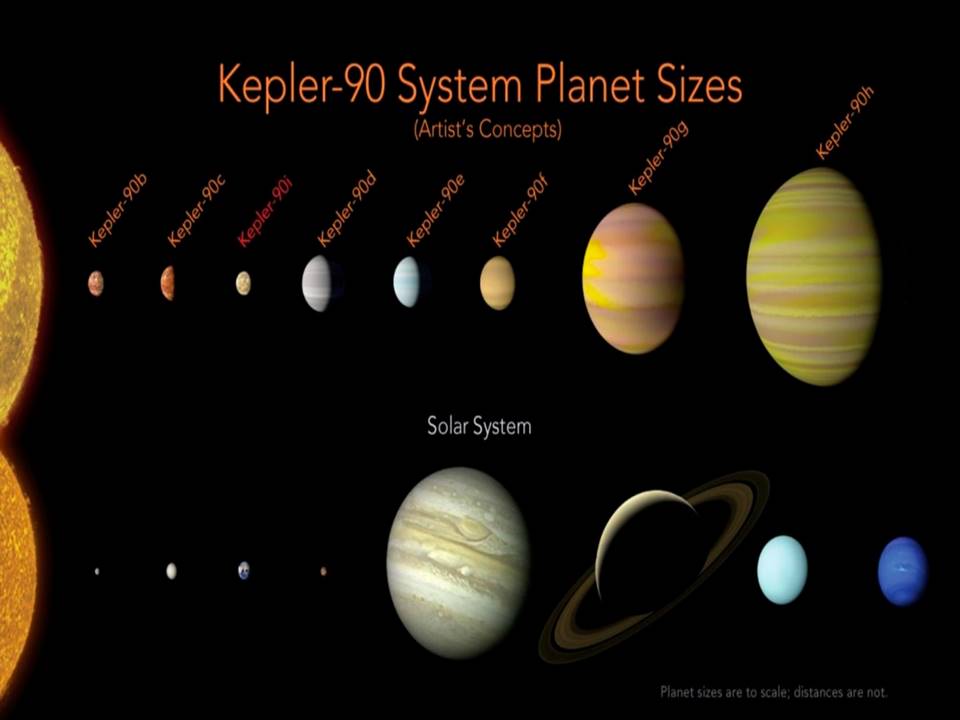
The discovery of 65 new planets marks a watershed moment in space exploration. These 65 newly found planets will be researched to see if they have microorganisms, water, gases on their surfaces, or perhaps life. Astronomers estimate that the Milky Way Galaxy has hundreds of billions of such planets, and that there are numerous galaxies in space. The James Webb Space Telescope captured a picture of hundreds of galaxies, each of which may contain unknown Earth-like planets.
Exoplanet characteristics discovered
Exoplanets found have a wide range of traits and compositions, such as gas giants many times larger than Jupiter, tiny, rocky worlds comparable to Earth, and so on. Many "super-Earths," which are predominantly rocky worlds but many times larger than the Earth, have also been discovered. Some newly found planets are smaller versions of Neptune. Some planets have been discovered to circle two stars at the same time, while others have been discovered to orbit the remains of dead stars.
How do planets get discovered?
Planets are found via a long and tedious process that includes observations over many years as well as analysis of data from both space-based and ground-based observatories.
For more Updates and Information - Click here
For access to more than 10,000 Colleges - Click here
For Latest Sarkari Jobs - Click here
For Comprehensive Preparation of Sarkari Job Exams - Click here
For Comprehensive Preparation of Competitive Exams - Click here
For School Studies and Exams Preparation across Eight Boards - Click here
- NASA
- 65 New Planets
- Milky Way Galaxy
- Neptune
- Exoplanets
- Jupiter
The Notopedia Bulletin Board
News about the latest admissions, results, upcoming government jobs, Sarkari exams and many more.


