 CURRENT AFFAIRS

 CURRENT AFFAIRS
Description
China, the world's largest greenhouse emitter, has finally introduced its first national emissions trading program. The carbon market started in China on 16th July 2021 when trading opens in Shanghai at a price of 48 yuan ($7.40) per tonne of carbon. The first deal on the market closed at 52.78 yuan a tonne.
According to the Nikkei Asia report, about 1,60,000 tonnes of carbon were traded, worth 7.9 million yuan. As per the estimation of some experts China's carbon market could reach 7 billion tons per year over the next five years, which could reach a market value of 600 billion yuan. The CO2 pricing mechanism introduced by China already exists in about 45 countries. The Chinese scheme, which went on trading last week, is the largest in the world.
China's carbon market project, announced more than three years ago, has been delayed several times. But since its inception, the carbon market includes more than 2,200 companies in the country's energy sector, which reportedly accounts for 40% of China's total carbon footprint. China's carbon market is expected to expand over time to high-emissions industries including petrochemicals, chemicals, building materials, iron and steel, nonferrous metals, paper, and domestic aviation.
What is Carbon Trading?
The logic and rationale for carbon trading are very clear. The system operates on a cap and trade model, where a certain amount of emission allowance is allocated to coal and gas power plants. If it exceeds this limit, power plants are allowed to purchase allowances from the free market. If they manage to comply with the specified limit, they can sell the rest of their allowances to another issuer. In the coming years, it is expected that the allowances get tighter; prices rise, prompting businesses to become more environmentally friendly.
What is China’s contribution to global carbon emissions?
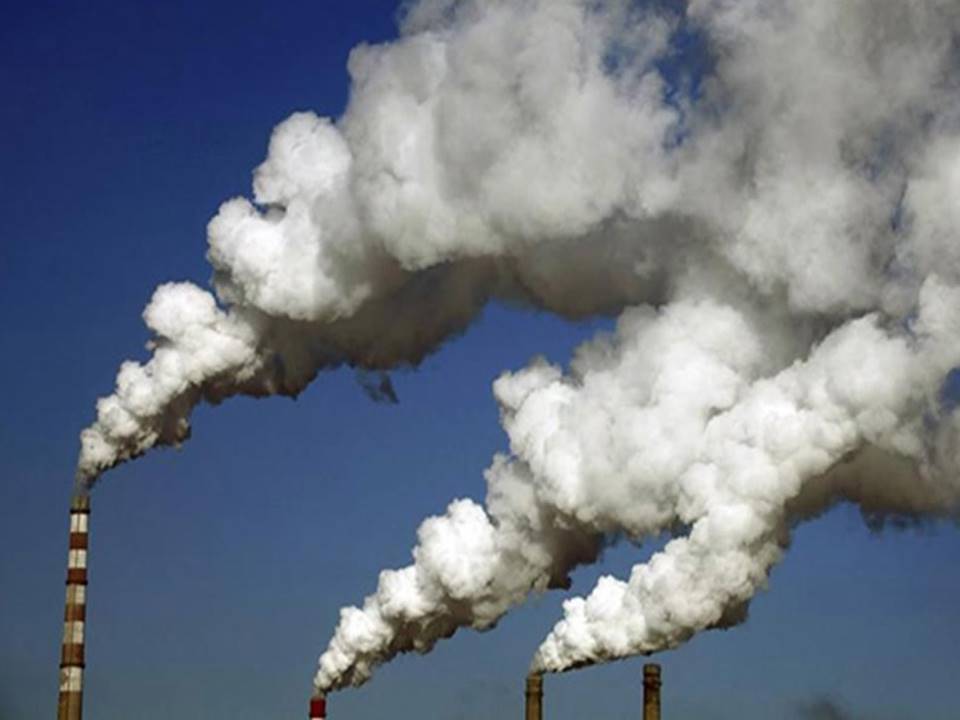
In 2019, China accounted for 27% of total global carbon emissions and more than 10 billion tonnes of carbon dioxide. The nation relies on coal for 60% of its energy needs and has burned more coal each year since 2011 than the rest of the world combined. The country's capacity is also growing, with China adding three times more coal-producing capacity to China in 2020 than the rest of the world combined.
It should be noted, however, that its per capita emissions - approximately 6.8 tonnes of carbon dioxide per person - are lower than half of these countries, such as Canada, Australia, and the United States.
For more Updates and Information - Click here
For access to more than 10,000 Colleges - Click here
For Latest Sarkari Jobs - Click here
For Comprehensive Preparation of Competitive Exams - Click here
For School Studies and Exams Preparation across Eight Boards - Click here


