
Atmospheric Scientist / Climatologist
Entry Level Qualification
Class Post Graduate
Career Fields
Mathematics & Science
For Specially Abled


Career Entrance Exam
About Career
Atmospheric Scientists study the physical, chemical, and other properties of earth's atmosphere and it's interactions with and effects on various other systems of earth, such as lithosphere (the outermost cell of earth - upper mantle and earth crust), cryosp here (part of earth surface where water lies as ice such as the pole), hydrosphere (the entire water bodies that earth has including the oceans, rivers, etc.) and biosphere (the sum all parts of earth which are occupied by living organism). They study, analyse, and forecast long term climate changes, what causes those changes, and how to reverse or stop any harmful changes.
Atmospheric Scientists study to establish and also use various existing Mathematical and Computational models using various scientific software for forecasting climate changes and also understand historical climate change scenarios. Some of the Atmospheric Scientists specialise in Climatology which deals entirely with long term climate changes. Some Atmospheric Scientists work in weather forecasting as well. Weather forecasting is short term (daily, weekly, monthly) prediction of weather conditions which are essential for various organisation such as the airlines, shipping companies, fishermen, municipal corporations, military forces, and so on.
PARTICULARS | DESCRIPTION |
Name | Atmospheric Scientist / Climatologist |
Purpose | Study Weather, Climate, & Other Aspects |
Career Field | Mathematics & Science |
Required Entrance Exam | No Entrance Exam |
Average Salary | 7,00,000 - 15,00,000 Rs. Per Year |
Companies For You | Statistical Meteorologist, Project Scientist, Atmospheric Scientist & Many More |
Who is Eligible | Post Graduate |
Key Roles and Responsibilities
As an Atmospheric Scientist / Climatologist, depending on your functional field of work, you will be engaged with one or more of the following roles and responsibilities:
For Research
1. You will be involved in interpreting reports, data, photographs, maps, or charts to predict long / short range weather conditions, using computer models and your knowledge of climate theory, physics, and mathematics.
2. You will be involved in conducting research regarding new technologies through scientific / analytical software or technology tools or numerical simulations of climate conditions / meteorological data and analyze climate data sets using techniques such as geophysical fluid dynamics, data assimilation, or numerical modeling.
3. You will be using scientific / analytical software or technology tools such as IBM SPSS Statistics, PC Weather Products HURRTRAK, AninoquisiMesoTRAC, Baron Volumetric Imaging and Processing of Integrated Radar VIPIR, Lakes Environmental Software WRPLOT View etc.
4. You will be using solarimeters, surface thermometers, radiosonde launchers, air samplers or collectors, anemometers, hygrometers, weather balloons, storm chase vehicles, mercury barometers, Doppler radar equipment etc.
5. You will be analyzing historical climate information, such as temperature or precipitation records, for predicting future weather or climate trends.
6. You will be conducting numerical simulations of climate conditions for understanding and predicting regional or global weather patterns.
7. You will be creating visual representations of meteorological data, using complex procedures such as analytical modeling or software algorithms.
For Education and Training
1. You will be involved in conducting research regarding new technologies through scientific / analytical software or technology tools or numerical simulations of climate conditions / meteorological data and analyze climate data sets using techniques such as geophysical fluid dynamics, data assimilation, or numerical modeling.
2. You will be using air samplers or collectors, anemometers, hygrometers, weather balloons, storm chase vehicles, mercury barometers, Doppler radar equipment, Next Generation Weather Radar (NEXRAD) etc.
3. You will be preparing detailed written or verbal presentations, technical reports and compilations based upon research outcomes for publication, grant or patent applications.
4. You may be involved in teaching/demonstrating to a class of post graduate students or a team of research scholars pursuing this academic discipline in an educational establishment.
5. You will participate in seminars, science congresses, conferences across the world.
Career Entry Pathway
Class 10 all subjects as per scheme of studies – Class 11-12 Physics, Chemistry, and Mathematics along with any other subject as per scheme of studies – Undergraduate degree in Atmospheric Science, Applied Meteorology and Climatology, Environmental Physics or similar
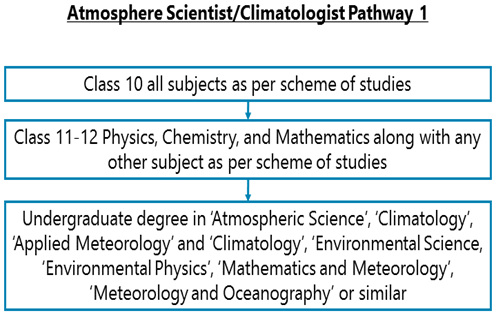
After completing Class 11-12 Physics, Chemistry, and Mathematics along with any other subject as per scheme of studies, you can go for an undergraduate degree in ‘Atmospheric Science’, ‘Climatology’, ‘Applied Meteorology’ and ‘Climatology’, ‘Environmental Science, ‘Environmental Physics’, ‘Mathematics and Meteorology’, ‘Meteorology and Oceanography’ or similar.
Class 10 all subjects as per scheme of studies – Class 11-12 Physics, Chemistry, and Mathematics along with any other subject as per scheme of studies - Bachelor's - Master's
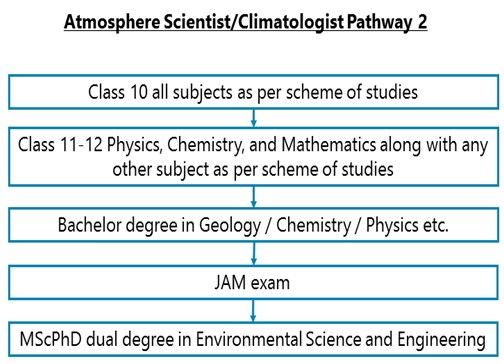
After completing Class 11-12 Physics, Chemistry, and Mathematics along with any other subject as per scheme of studies, you can go for a Bachelor degree in Geology / Chemistry / Statistics / Mathematics / Physics / Biology / Biotechnology / Earth Sciences / Computer Applications or similar and then go for the JAM exam which is Joint Admission Test For MSc at IITs. With a pass in JAM, you can go for a MSc-PhD dual degree in Environmental Science and Engineering.
Class 10 all subjects as per scheme of studies – Class 11-12 Physics, Chemistry, and Mathematics along with any other subject as per scheme of studies – Bachelor degree in Mathematics / Physics – JAM exam - Joint M.Sc. Ph.D. in Atmospheric and Ocean Sciences
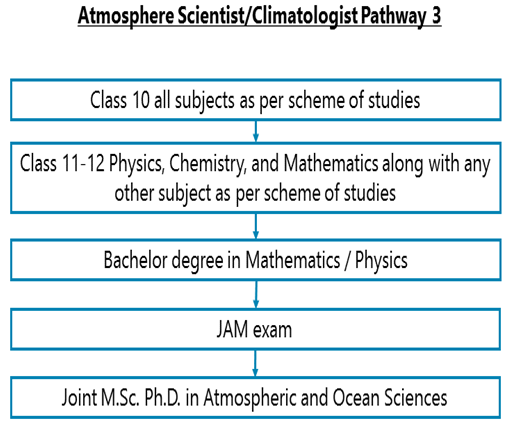
After completing Class 11-12 Physics, Chemistry, and Mathematics along with any other subject as per scheme of studies, you can go for a Bachelor degree in Mathematics / Physics and then appear for the JAM exam which is Joint Admission Test for MSc at IITs. With a pass in JAM, you can go for a Joint M.Sc.-Ph.D. in Atmospheric and Ocean Sciences.
Class 10 all subjects as per scheme of studies – Class 11-12 Physics, Chemistry, and Mathematics along with any other subject as per scheme of studies - BSc / BTech / BE in Physics, Chemistry, Mathematics, Statistics or Electronics / Computer Science Engineering - M Sc Tech / M Sc in Meteorology, Atmospheric Chemistry, Atmospheric Science, Geophysics (Meteorology) or similar
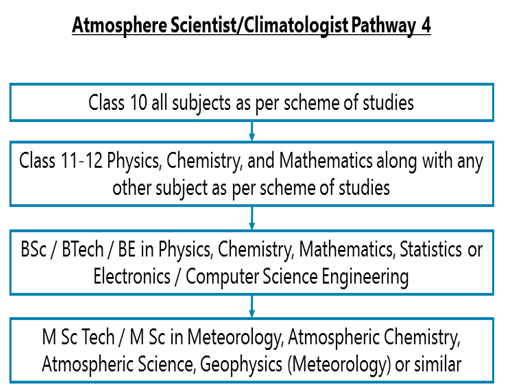
After completing Class 11-12 Physics, Chemistry, and Mathematics along with any other subject as per scheme of studies, you can go for BSc / BTech / BE in Physics, Chemistry, Mathematics, Statistics or Electronics / Computer Science Engineering. Then you can opt for a M Sc Tech / M Sc / M Engin Atmospheric Chemistry, Applied Climate, Climate Modeling, Meteorology, Atmospheric Science, Geophysics (Meteorology), Environmental Modeling, Integrated Climate System Sciencesor similar.
Class 10 all subjects as per scheme of studies – Class 11-12 Physics, Chemistry, and Mathematics along with any other subject as per scheme of studies - B Sc / B Sci / BS / BStat in Physics, Statistics, Math - M Sc / M Sci / MS / MStat in Physics, Statistics, Math - GATE or NET exam - M Tech in Atmospheric Science or similar
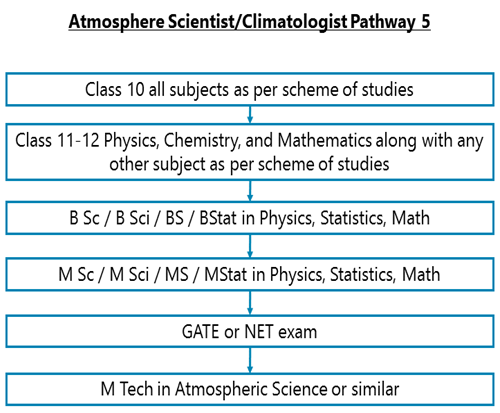
After completing Class 11-12 Physics, Chemistry, and Mathematics along with any other subject as per scheme of studies, you can go for a B Sc / B Sci / BS / BStat in Physics, Statistics, Mathematics. Then you can opt for a M Sc / M Sci / MS / MStat in your graduation field followed by GATE exam or a pass in the Joint UGC – CSIR NET exam for JRF position. Then go for a M Tech / M Engin Atmospheric Science, Climate Sciences and Engineering, Energy and Environmental Engineering or similar.
Class 10 all subjects as per scheme of studies – Class 11-12 Physics, Chemistry, and Mathematics along with any other subject as per scheme of studies – Undergraduate degree in Atmospheric Science or similar – Post graduation degree in Atmospheric Science or similar – M Phil
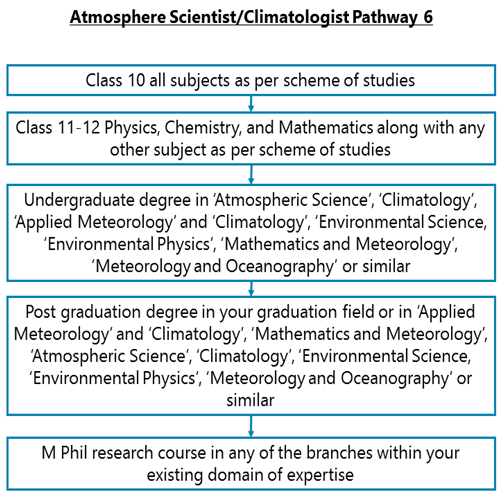
After completing Class 11-12 Physics, Chemistry, and Mathematics along with any other subject as per scheme of studies, you can go for an undergraduate degree in ‘Atmospheric Science’, ‘Climatology’, ‘Applied Meteorology’ and ‘Climatology’, ‘Environmental Science, ‘Environmental Physics’, ‘Mathematics and Meteorology’, ‘Meteorology and Oceanography’ or similar. Then you can go for a post graduation degree in your graduation field or in ‘Applied Meteorology’ and ‘Climatology’, ‘Mathematics and Meteorology’, ‘Atmospheric Science’, ‘Climatology’, ‘Environmental Science, ‘Environmental Physics’, ‘Meteorology and Oceanography’ or similar. Then you can complete your M Phil research course in any of the branches within your existing domain of expertise.
Class 10 all subjects as per scheme of studies – Class 11-12 Physics, Chemistry, and Mathematics along with any other subject as per scheme of studies – Bachelor degree in Geology / Earth Sciences - M. Sc (Tech) in Applied Geology - M.Tech in Engineering Geology / Atmospheric Sciences – Doctoral Studies
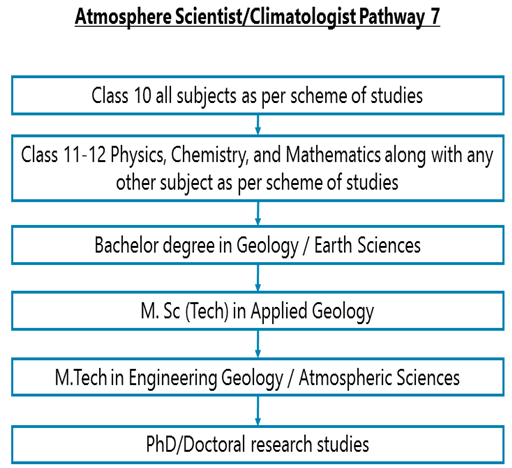
After completing Class 11-12 Physics, Chemistry, and Mathematics along with any other subject as per scheme of studies, you can go for a Bachelor degree in Geology / Earth Sciences, followed by a M. Sc (Tech) in Applied Geology. Then go for a M Tech in Engineering Geology or Atmospheric Sciences followed by your PhD/Doctoral research studies.
Class 10 all subjects as per scheme of studies – Class 11-12 Physics, Chemistry, and Mathematics along with any other subject as per scheme of studies – Undergraduate degree in Atmospheric Science or similar – Post graduation degree in Atmospheric Science or similar – Doctoral studies
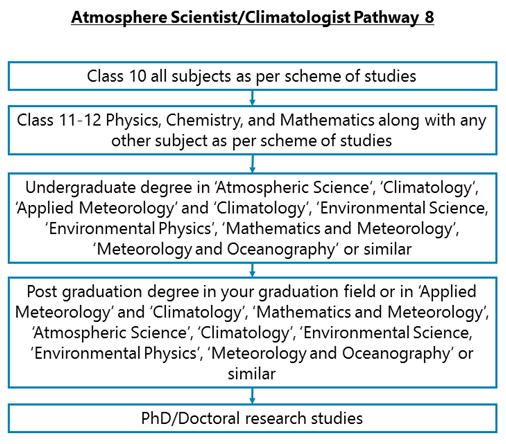
After completing Class 11-12 Physics, Chemistry, and Mathematics along with any other subject as per scheme of studies, you can go for an undergraduate degree in ‘Atmospheric Science’, ‘Climatology’, ‘Applied Meteorology’ and ‘Climatology’, ‘Environmental Science, ‘Environmental Physics’, ‘Mathematics and Meteorology’, ‘Meteorology and Oceanography’ or similar. Then you can go for a post-graduation degree in your graduation field or in ‘Applied Meteorology’ and ‘Climatology’, ‘Mathematics and Meteorology’, ‘Atmospheric Science’, ‘Climatology’, ‘Environmental Science, ‘Environmental Physics’, ‘Meteorology and Oceanography’ or similar. Then you can complete your PhD in any of the branches within your existing domain of expertise.
Class 10 all subjects as per scheme of studies – Class 11-12 Physics, Chemistry, and Mathematics along with any other subject as per scheme of studies – B Sc / B Sci / BS in Physics, Chemistry – M Sc / MS / M Sci in Physics, Chemistry – Doctoral Studies
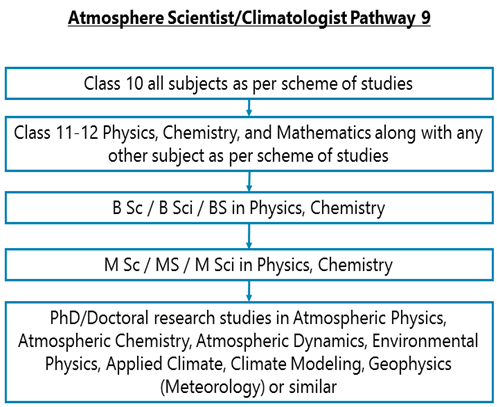
After completing Class 11-12 Physics, Chemistry, and Mathematics along with any other subject as per scheme of studies, you can go for a B Sc / B Sci / BS in Physics, followed by post graduation (M Sc / MS / M Sci) in Physics. Then you can opt for a PhD in Atmospheric Physics, Atmospheric Chemistry, Atmospheric Dynamics, Environmental Physics, Applied Climate, Climate Modeling, Geophysics (Meteorology) or similar.
Class 10 all subjects as per scheme of studies – Class 11-12 Physics, Chemistry, and Mathematics along with any other subject as per scheme of studies - B Sc / B Sci / BS / BStat in Physics, Statistics, Math - M Sc / M Sci / MS / MStat in Physics, Statistics, Math - M Tech in Atmospheric Science or similar –Doctoral Studies
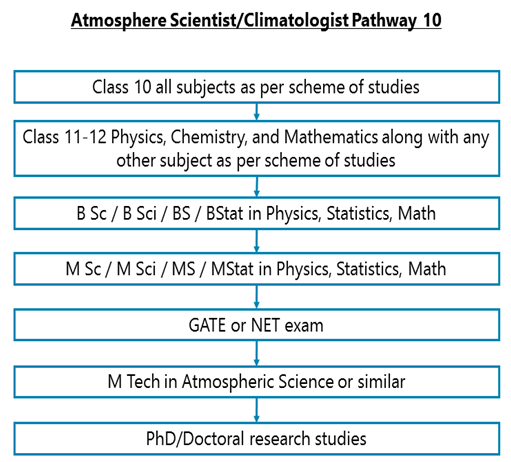
After completing Class 11-12 Physics, Chemistry, and Mathematics along with any other subject as per scheme of studies, you can go for a B Sc / B Sci / BS / BStat in Physics, Statistics, Mathematics. Then you can opt for a M Sc / M Sci / MS / MStat in your graduation field followed by GATE exam or a pass in the Joint UGC – CSIR NET exam for JRF position. Then go for a M Tech / M Eng in Atmospheric Science, Climate Sciences and Engineering, Energy and Environmental Engineering or similar. Thereafter, you may complete your PhD in Atmospheric Science, Climate Science, Atmospheric Dynamics, Statistical Climatology, Environmental Physics or similar.
Required Qualification & Competencies
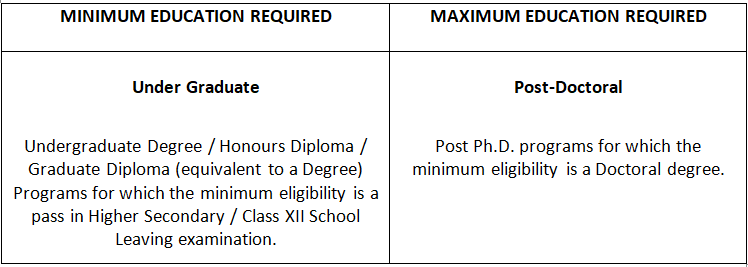
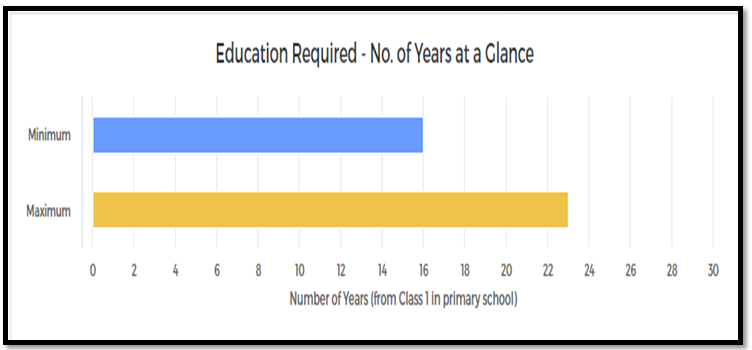
After Class 11-12 with Physics, Chemistry, Mathematics, you can study for an undergraduate degree in any of the following disciplines. Then you can do a Master’s degree. Then you may either opt for a job opportunity or do a Ph.D. / M Phil and thereafter go for post-doctoral studies after PhD.
You can study for a Bachelor’s / Master’s / Doctoral degree in any of the following fields (Note that all these fields may not offer you a degree at all three levels, that is in Bachelor’s, Master’s and Doctoral. Some fields may offer a degree only at the Master’s or at the Doctoral level or may be a certificate/specialization course only):
1. Atmospheric Science
2. Climatology
3. Applied Meteorology And Climatology
4. Meteorology and Climate Science
5. Climate and Atmospheric Science
6. Environmental Physics
7. Physics with Meteorology
8. Geophysics and Meteorology
9. Agricultural Meteorology
10. Atmospheric Chemistry
11. Atmospheric Physics
12. Aviation Meteorology
13. Biogeochemistry
14. Biogeophysics
15. Climate Sciences and Climatology
16. Environmental Meteorology
17. Hydrometeorology
18. Maritime Meteorology
19. Meteorology
20. Micrometeorology
21. Military Meteorology
22. Nuclear Meteorology
23. Tropical Meteorology
24. Boundary Layer Dynamics
25. Climate Modelling
26. Isotope Hydrology/ Paleoclimate Studies
27. Middle Atmospheric Dynamics
28. Indian Monsoon
29. Polar Meteorology
30. Radar Meteorology
31. Remote Sensing
32. Stratosphere-Troposphere Coupling
33. Stratospheric Chemistry and Dynamics
Compentencies Required
1. You should have interests for Investigative Occupations. Investigative occupations involve working with ideas and quite a lot of thinking, often abstract or conceptual thinking. These involve learning about facts and figures; involve the use of data analysis, assessment of situations, decision making and problem-solving.
2. You should have interests for Realistic Occupations. Realistic occupations involve more practical and hands-on activities than paperwork or office work. Realistic occupations often involve physical activities for getting things done using various tools and equipment.
3. You should have interests for Conventional Occupations. Conventional occupations involve repetitive and routine tasks as well as fixed processes or procedures for getting things done. These occupations involve working more with data, systems, and procedures and less with ideas or creativity.
4. You should have knowledge of Geography - Knowledge of principles and methods for describing the features of the land, sea, and air masses, including their physical characteristics, locations, interrelationships, and distribution of plant, animal, and human life.
5. You should have knowledge of Mathematics - arithmetic, algebra, geometry and other mathematical disciplines and their application
6. You should have knowledge of Computers, Data and Information Security-computer systems, common consumer software, relevant GIS or related software, their benefits and applicability.
7. You should have knowledge of relevant scientific / analytical software or technology tools such as IBM SPSS Statistics, PC Weather Products HURRTRAK, AninoquisiMeso TRAC, Baron Volumetric Imaging and Processing of Integrated Radar VIPIR, Lakes Environmental Software WRPLOT View etc.
8. You should have knowledge of using various equipment and tools such as solarimeters, surface thermometers, radiosonde launchers, air samplers or collectors, anemometers, hygrometers, weather balloons, storm chase vehicles, mercury barometers, Doppler radar equipment etc
9. You should have knowledge of Physical Science - Knowledge of physical principles, laws, their interrelationships, and applications to understand earth, ocean, atmosphere, and space dynamics.
10. You should have Critical Thinking Skills - analysis of complex situations, using logic and reasoning to understand the situations and take appropriate actions or make interpretations and inferences.
11. You should have Problem Solving Skills- analysis and understanding of problems, evaluating various options to solve the problems and using the best option to solve the problems.
12. You should have Active Learning Skills - Focused and continuous learning from various sources of information, observation and otherwise for application in getting work done.
13. You should have Judgment and Decision Making Skills- considering the pros and cons of various decision alternatives; taking appropriate and suitable decisions.
14. You should have Inductive Reasoning Ability- combine pieces of information from various sources, concepts, and theories to form general rules or conclusions. For example, analyzing various events or situations to come out with a set of rules or conclusions.
15. You should have Deductive Reasoning Ability- apply general rules and common logic to specific problems to produce answers that are logical and make sense. For example, understanding the reasons behind an event or a situation using general rules and common logic.
16. You should have Written Comprehension Ability- read and understand information and ideas presented in writing.
17. You should have Information Ordering Ability- arrange things or actions in a certain order or pattern according to a specific rule or set of rules (e.g., patterns of numbers, letters, words, pictures, mathematical operations).
18. You should have Perceptual Speed- quickly and accurately compare similarities and differences among sets of letters, numbers, objects, pictures, or patterns. The things to be compared may be presented at the same time or one after the other. This ability also includes comparing a presented object with a remembered object.
19. You always or mostly prefer to stick within a routine or carry out routine and repetitive activities.
20. You are always or mostly organized in your day-to-day life and activities.
21. You are always or mostly disciplined in your action and behavior.
22. You are practical always or in most situations.
23. You are always or mostly dependent on others or on set rules and procedures.
Career - Job Opportunities & Profiles
1. You may work with philanthropic initiatives like India Climate Collaborative (ICC) which is steered by Mahindra CSR, Azim Premji Philanthropic Initiatives, Rohini Nilekani Philanthropies, Tata Trusts, Oak Foundation and MacArthur Foundation.
2. You may find work with government sector organisations such as Centre for Environment, Energy and Climate Change (CEECC) and Asian Development Research Institute (ADRI) under the aegis of the Ministry of Environment, Forest and Climate Change (MoEF&CC), Govt. of India.
3. You may also work with several independent agencies actively working in the areas of Water Resource Management, Air Pollution and Climate Change. There are many involved in providing evidence-based research support to policymakers at different levels.
4. Further, there are many independent global players like Accu weather Inc., The Weather Company etc. as well.
You may get work roles as these or similar:
1. Research Climatologist
2. Atmospheric Scientist
3. Natural Hazards Research Scientist
4. Statistical Meteorologist
5. Meteorologist
6. Project Scientist
7. Observatory Scientist
8. Wind Atmospheric Perils Expert
9. Wind Research Scientist
10. Consultant
11. Program Officer
You may find work in:
1. Space-information production and geo-engineering organizations such as Centres for Atmospheric Sciences in India
2. Meteorological departments and consulting institutes such as Meteorological Department of India, Indian Institute of Tropical Meteorology
3. Space Research Organizations - Indian Space Research Organisation (ISRO), NASA
4. National Physical Laboratory
5. Indian Institute of Remote Sensing
6. North Eastern Space Application centre
7. Centre for Atmospheric Technology under the MoES (Ministry of Earth Sciences), Government of India and various participating institutes
8. IISERs and IITs pan India
9. Various research institutions and departments of atmospheric science or similar in universities
10. Skymet, Nansen Environmental Research Centre or similar, International Institute for Geo-Information Science and Earth Observation
Specialisation Tracks In This Career
Atmospheric Scientist (Agricultural Meteorology)
This sub-discipline relates to weather and climate, both regional or local and national scales, to crop / livestock production and soil management. Agricultural Meteorologists work towards minimizing the effect of adverse weather on crops trying to make use of crop-weather relationships for boosting agricultural production.
Atmospheric Scientist (Atmospheric Physics)
Atmospheric Physicists apply theories of wave propagation, cloud physics and statistical mechanics among other laws of physics, each of which incorporates high levels of mathematics and physics, to study atmospheric properties, interaction with the earth’s magnetic field and solar winds, etc.
Atmospheric Scientist (Aviation Meteorology)
This particular sub-domain constitutes of the studies conducted with respect to the entire complex system of air traffic management in its broadest sense. Aviation meteorologists specifically provide weather and related information to airline flight dispatchers (who assist in planning flight paths), pilots, etc. They are responsible for determining current and forecasted weather conditions for all altitudes, including the direction and speed of the wind, cloud cover, and precipitation.
Atmospheric Scientist (Atmospheric Biogeochemistry)
This scientific sub-field involves studies of the chemical, geological, physical, and biological processes and reactions that have been governing the composition of the atmosphere. It primarily focuses on the carbon / nitrogen cycles in the atmosphere and their interactions with and incorporation into the living things beneath the atmospheric layers.
Atmospheric Scientist (Tropical Meteorology)
This domain involves study of the diverse set of weather and climate processes that occur in the ‘low latitudes’ between south of the equator and north of about 30 degrees latitude including parts of countries such as India, Mexico, Puerto Rico, Spain, Portugal,northern Australia, US states like Texas and Florida, southern California, Arizona, Arkansas, South Carolina; and nations around the Mediterranean Sea.
Climatologist
Climatologists focus on studying both the nature of climates (regional, national or global)and the human-induced /natural factors that may cause climates to change. This branch of study considers the past climate sets and can help in predicting future climate change by simultaneously analyzing the current climatological trends and patterns.
Atmospheric Scientist (Environmental Meteorology)
This sub-discipline of Atmospheric Sciences deals with pollution and its effects on climate which have drastic impacts on local, regional and national weather patterns as well. Some factors that they focus on are variation in temperatures, water vapor density (humidity), speed and intensity of the wind, acoustical/electrical/optical/thermodynamic processes in the atmosphere, etc.
Atmospheric Scientist (Atmospheric Chemistry)
Atmospheric Chemists study the composition and chemistry of the Earth's atmosphere with respect to the interactions between it and living organisms. This composition is variable over time primarily due to natural processes such as volcanic emissions, lightning, and bombardment by solar particles, etc. Professionals focus on issues like concentration profiles of atmospheric compounds, aerosol, ozone depletion, photochemical smog, acid rain, greenhouse gases, etc. Computer models like ‘chemical transport models’ are used.
Atmospheric Scientist (Hydrometeorology)
This subdivision involves studying and examining how water transfers from dry land (evaporation) and lower echelons (levels) of the atmosphere. This includes cloud formation and water hazards such as flooding, tropical cyclones, and also the effects of land desertification and drought and other water-based natural phenomena. Hydro meteorologists are also involved in constant monitoring of quantity, variation, intensity and distribution of rainfall.
Atmospheric Scientist (Climatic Geomorphology)
Climatic Geomorphologists study how ‘climate’ plays a role in shaping landforms and the earth-surface processes. It also strongly relates to the ancient climates that existed in Precambrian eras. Most landscapes in any particular region have evolved under climates different from the present ones. Scientists have actually divided the Earth’s surface into different climatic zones for their ease of study, officially known as ‘morph climatic zones’.
Atmospheric Scientist (Maritime /Marine Meteorology)
Up-to-date information on weather conditions dictates operations for those who work at sea - industrial fishing, military navy, oil and gas rigs, commercial shipping, etc., leisure boat activities and public transportation across water bodies. Maritime Meteorologists study extreme weather conditions at sea, such as storms / hurricanes, icebergs, cyclones, the jet stream, etc. and provide relevant information to stakeholders. Many a time some weather fronts developing in the ocean later hit land, affecting activities on the shore as well.
Atmospheric Scientist (Paleoclimatology and Paleotempestology)
This branch deals with the study of ancient climate (paleoclimatology) and past tropical cyclone activity (paleotempestology) for which systematic measurements were not taken and hence no instrumental records exist but it is important to understand natural variations in climate and the evolution of the present day climatic conditions.
Atmospheric Scientist (Mesoscale and Microscale Meteorology)
These two branches focus primarily on short-lived atmospheric processes in the smaller scales of space and time, specifically lesser than 1km if microscale and between 5 to several hundred kms if mesoscale. These features are generally too small to be depicted on a weather map. Micro and Mesometeorologists study heat transfers and gas exchanges between the atmosphere and soil, flora or surface water.
Atmospheric Scientist (Atmospheric Dynamics)
This is a very interesting branch of study which includes chemical reaction kinetics of cyclones, depressions, water wave patterns and measuring high / low pressure areas while studying climatic variations, both regional and global, oceanic as well as lithospheric (overland).
Meteorologist
Meteorologists are Atmospheric Scientists, but their major focus is in weather forecasting. They observe weather conditions and long term weather patterns through various equipment and a through images received from satellites orbiting the earth. They use various computer models for weather forecasting. Meteorologists produce important weather forecast data for airlines, ships, fishermen, the agriculture sector, general weather conditions in various regions, and so on.
Military Meteorologist
Military operations and training exercises of armed forces around the world depend heavily on meteorological forecasts and weather conditions. This is 1 of the most common fields of employment for Atmospheric Scientists, Climatologists or Meteorologists. Sometimes military cadets are also sent by the forces to University meteorology departments to be trained as weather officers.
Atmospheric Scientist (Atmospheric Profiling)
This branch deals with measuring vertical distributions of temperature, pressure, wind speed / direction / shear, ozone concentration, liquid water content, pollution and other physical properties of the atmospheric column through remote sensing or in situ observations using weather balloons or other airborne instruments.
Atmospheric Scientist (Nuclear Meteorology)
This is an extremely interesting sub-specialty of Atmospheric Sciences. This entails detection of radioactive particles in the atmosphere, their impact on the environment, radiation waves, their sources and effects, the distribution of radioactive gases / aerosols and of course the results of nuclear testing. This also involves monitoring the nuclear reactors for radiology leaks and estimating their effects on the environment by examining air currents / turbulence and approximating where the released particles may spread.
Career Growth
You may grow though the following roles depending on your functional field of work.
1. Research, Planning and Consulting:
Scientist B, Scientist C, Scientist D, Scientist E, Scientist F, Scientist G, Scientist H or Outstanding Scientist, Distinguished Scientist (DS), Secretary, Chairman, Deputy Director General, Director General
2. Education:
Industrial Fellow, Associate Lecturer, Lecturer (Level B), Lecturer (Level C), Senior Lecturer/Associate Professor, Emeritus Professor, Visiting Senior Research Fellow, Honorary Senior Research Fellow, Director of Department
Salary Offered
1. Scientist 'B' (Level 10): 56,100/-
2. Scientist 'C' (Level 11): 67,700/-
3. Scientist 'D' (Level 12): 78,800/-
4. Scientist 'E' (Level 13): 1,23,100/-
5. Scientist 'F' (Level 13A): 1,31,100/-
6. Scientist 'G' (Level 14): 1,44,200/-
7. Scientist 'H' / Outstanding Scientist (Level 15): 1,82,200/-
8. Distinguished Scientist(Level 16): 2,05,400/-
9. Secretary / Chairman(Level 17): 2,25,000/-
The monthly salaries of faculty approved by the Ministry of HRD (Department of Higher Education), Govt. of India are:
1. Assistant Professor Grade II: Rs 57,700 to Rs 1,17,200
2. Assistant Professor Grade I: Rs 1,01,500 to Rs 2,04,700
3. Associate Professor: Rs 1,39,600 to Rs 2,11,300
4. Professor: Rs 1,44,200 to Rs 2,24,100
Global (US)
1. Remember that, if you are not a US citizen/permanent resident or you do not have a green card/work permit, getting a job in USA even after a master degree will be a rare case. However, after your Graduate (Master’s or Ph.D.), you may look forward to if you do really well in your course.
2. At the entry level jobs, you may expect to get about USD 3,000 – 6,000 or even more a month. Also, do keep in mind that entry level jobs are usually for postgraduates in this field and a mere graduation will be futile.
3. In mid-level jobs (after having 8-10 years of experience), you can expect to earn about USD7,000 – 12,500 or even more a month.
4. In senior-level jobs (after having 15 years of experience), you can expect to earn about USD10,000 – 18,000 or even more a month.
5. For an example, as an entry level Postdoctoral Associate, you may expect USD 40000 – USD 85000 a year or even more. Then as an Air Quality Scientist in the Senior Level you may expect USD 70500 to USD 115100 a year or even more.
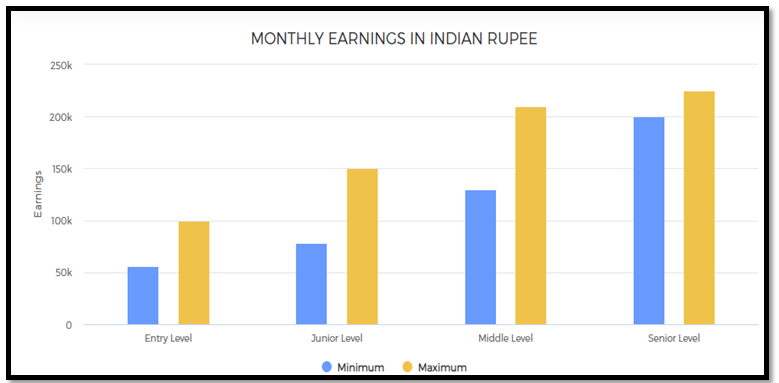
Monthly Earnings In Indian Rupee
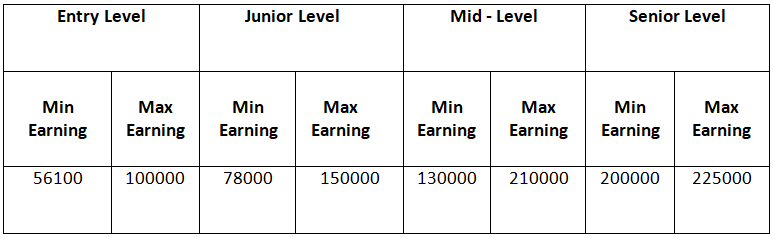
1. Entry level: 0 - 2 years of work experience
2. Junior Level: From 1 to 12 years of work experience
3. Mid-Level: From 5 to 20+ years of work experience
4. Senior Level: From 10 to 25+ years of work experience (there could be exceptions in some high-end technical, financial, engineering, creative, management, sports, and other careers; also in the near future, people will reach these levels much faster in many careers and in some careers, these levels will have no meaning as those careers will be completely tech skill driven such as even now, there is almost no level in a Cyber Security Expert’s job)
Work Activities
1. Analyzing and interpreting data and information - Analysis of data and information to find facts, trends, reasons behind situations, etc.; interpretation of data to aid in decision making.
2. Identifying objects, actions, and events - Identifying various characteristics of objects; observing and understanding actions and events; understanding changes in actions and events.
3. Processing information - Searching, compiling, tabulating, calculating, auditing, verifying or otherwise dealing with information processing including data entry, transcription, recording, storing and maintaining databases.
4. Getting Information and learning - Observing, hearing, reading, using computers, or otherwise obtaining information and learning from it.
5. Drawing, drafting, laying out and specifying objects, equipment, devices, tools, and systems - Creating and developing maps, drawings, layouts and specifications.
6. Strategic planning - Developing visions and goals, developing strategies and action plans for achieving visions and goals.
7. Making decisions and solving problems - Analysis of data and information; evaluation of alternative decisions and results of decisions; taking the right decisions and solving problems.
8. Organising, planning and prioritising tasks - Planning and organising tasks in order to achieve work goals; prioritising tasks to achieve goals and making the best use of the time available.
9. Using computers for work - Using computers for day-to-day office work; using computer software for various applications in day-to-day professional work; entering data and process information; for writing.
10. Updating and using relevant knowledge - Keeping updated with the latest knowledge relevant to your fields of work and use of the relevant knowledge in getting things done.
11. Working in a team - Working in a team of people; developing team; maintaining professional relationships among team members.
Future Prospects
1. You can expect a decent future in this field as the industry growth prospects are encouraging. Climate change is estimated to largely impact global natural resource base, including forestry, water resources, and agriculture, through changes in temperatures, precipitation, monsoon timings, as well as extreme events.
2. The temperatures are projected to increase by as much as 3 to 4°C towards the end of the 21st century. There is a rising demand for climatologists currently especially graduates in specific disciplines such as Climate Change over the ‘Global South’ or the southern hemisphere. Worldwide, there is a growing need to strengthen assessments and reduce uncertainty in predictive models; to study regional/local manifestations of climate change impacts and build models that focus on short term variations as well as longer-term change.
3. The Global Weather Forecasting Services market accounted for $1.22 billion in 2017 and is expected to reach $2.68 billion by 2026 growing at 9.1% compounded annually during 2017-2026. The Global Atmospheric Heat Treatment Equipment market is expected to grow at 5.30% compounded annually.
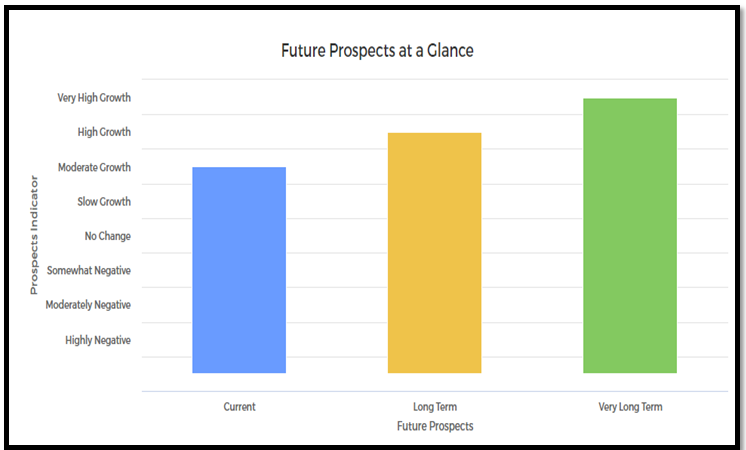
Future Prospects At a Glance
