Auto Body Painting Mechanic
Entry Level Qualification
Class 8
Career Fields
Mechanic & Technician
For Specially Abled


Career Entrance Exam
About Career
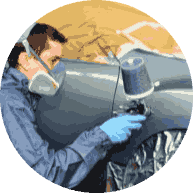
As an Auto Body Painting Mechanic, you will paint the body parts of newly assembled automobiles such as cars, bikes, buses, and trucks in an automobile manufacturing factory.
You will need to balance and layer various colors while painting. It will be your duty to clean grease and dirt from the body of automobiles before you start with your painting job. You will also have to select proper colors and then mix and match them perfectly. You will need to communicate with your Supervisors to understand the painting specifications or communicate with customers to understand their requirements.
Key Roles and Responsibilities
As an Auto Body Painting Mechanic, you will be engaged with one or more of the following roles and responsibilities: -
1. Selecting paints according to company requirements, color charts/specifications for newly assembled vehicles or the original colors of used vehicles.
2. Mixing, stirring or thinning paints.
3. Pouring paint/colours into spray guns, adjusting paint mixes and nozzles.
4. Masking or taping the areas that do not require painting.
5. Apply chemicals to protect the surface from rust.
6. Spraying prepared surfaces with the proper amount of primers before painting.
7. Applying lettering, designs or other decorative items to finish the products.
8. In the case of old automobiles, removing dirt, grease, rust, paint from the vehicle surface and removing accessories like mirrors etc. before applying paint.
9. Disposing hazardous wastes in appropriate manner.
PARTICULARS | DESCRIPTION |
Name | Auto Body Painting Mechanic |
Purpose | Mixing, stirring or thinning paints |
Career Field | Mechanic & Technician |
Required Entrance Exam | No Entrance Exam |
Average Salary | 90000 - 200000 Rs. Per Year |
Companies For You | Automobile, Shipping, Marine & Many More |
Who is Eligible | Any One |
Career Entry Pathway
Class 5 in school – National Skill Qualifications Framework (NSQF) Level 3 certificate for ‘Auto Body Repair, Denting & Painting’ or similar courses.
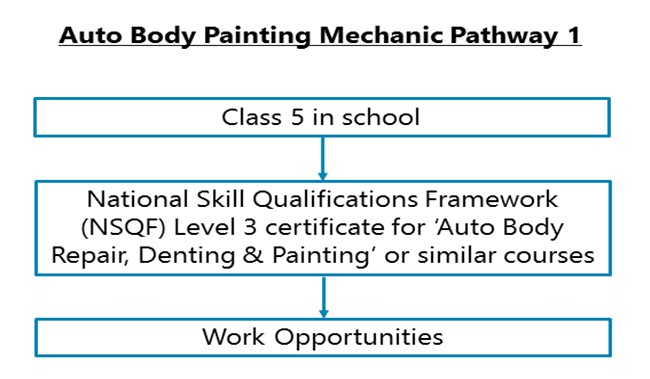
After completing Class 5 in school, you can pursue the National Skill Qualifications Framework (NSQF) Level 3 Training and Certificate for ‘Auto Body Repair, Denting & Painting’ or similar courses. The total number of training hours is 600 including Basic and On-Job-Training (OJT). Your minimum age should be 14 years.
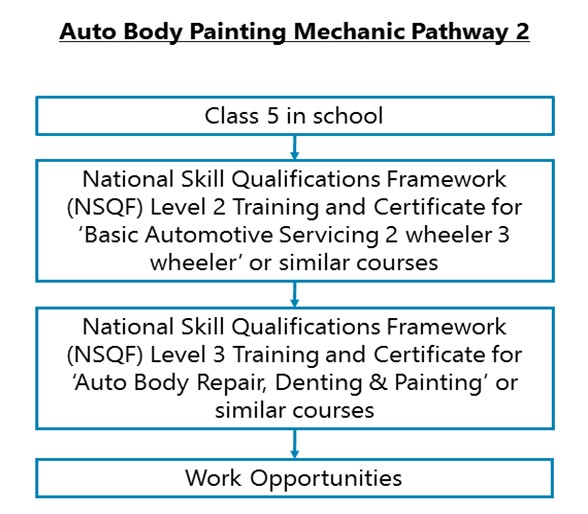
After completing Class 5 in school, you can pursue the National Skill Qualifications Framework (NSQF) Level 2 Training and Certificate for ‘Basic Automotive Servicing 2 wheeler 3 wheeler’ or similar courses. The total number of training hours is 500 including Basic and On-Job-Training (OJT). You should have experience of driving with a driver’s license. Then you can go for the National Skill Qualifications Framework (NSQF) Level 3 Training and Certificate for ‘Auto Body Repair, Denting & Painting’ or similar courses. The total number of training hours is 600 including Basic and On-Job-Training (OJT). Your minimum age should be 14 years.
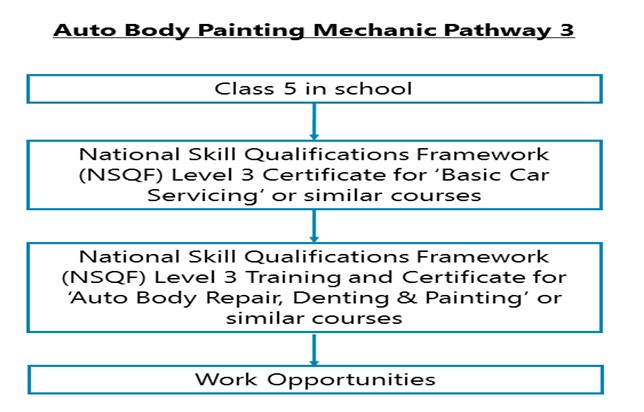
After completing Class 5 in school, you can go for National Skill Qualifications Framework (NSQF) Level 3 Training and Certificate for ‘Basic Car Servicing’ or similar courses. Then you can go for National Skill Qualifications Framework (NSQF) Level 3 Training and Certificate for ‘Auto Body Repair, Denting & Painting’ or similar courses.
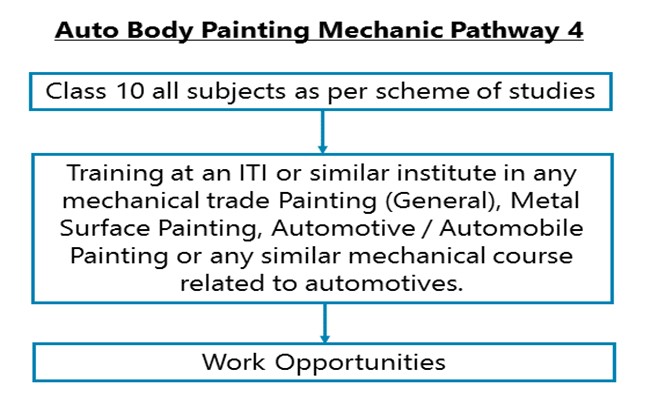
After Class 10, you need to undergo training at an ITI or similar institute in any mechanical trade like Painting (General), Metal Surface Painting, Automotive / Automobile Painting or any similar mechanical course related to automotive. After completing this training you will sit for All India Trade Test (AITT) and you will get a National Trade Certificate (NTC) if you pass.
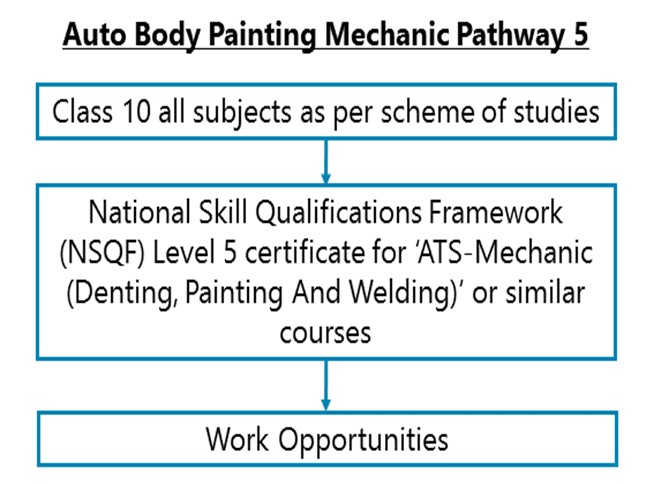
After Class 10, you can pursue National Skill Qualifications Framework (NSQF) Level 5 Training and Certificate for ‘ATS-Mechanic (Denting, Painting And welding)’ or similar courses.
Required Qualification & Competencies
You will mostly not need a Higher Secondary / Senior Secondary school certificate (CLASS 11-12) in order to work as an Auto Body Painting Mechanic. However, you should note the following if you are opting for an ITI course. All ITI classes start from 1st of August every year and all admitted ITI trainees get a stipend of INR 100.00 every month while at the institution. In addition to the monthly stipend of INR 100.00, 4% of the admitted trainees in each course will be given an extra INR 125.00 if they do well in the internal exams and are punctual during the first 6 months of their training.
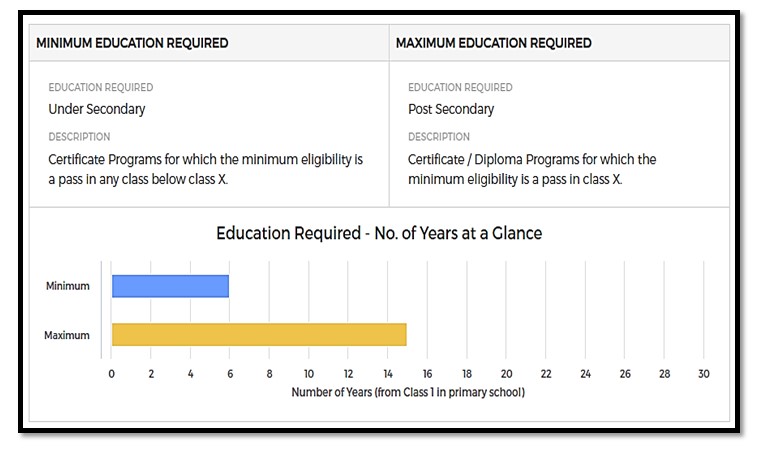
Competencies Required
1. You should have interests for Realistic Occupations. Realistic occupations involve more practical and hands-on activities than paperwork or office work. Realistic occupations often involve physical activities for getting things done using various tools and equipment.
2. You should have interests for Conventional Occupations. Conventional occupations involve repetitive and routine tasks as well as fixed processes or procedures for getting things done. These occupations involve working more with data, systems, and procedures and less with ideas or creativity.
3. Equipment Sourcing Skills- sourcing the right equipment for different purposes.
4. You should have knowledge of process and Operation Controlling - Skills in controlling processes and operations of various machines, equipment, devices and systems using different types of electrical and electronic control instruments and systems.
5. Coordination Skills- working together with other people to get things done.
6. Quality Control Analysis Skills- conducting tests and inspections of products, services, or processes to evaluate quality or performance.
7. You should have knowledge of Production and Processing - raw materials, production machinery, production systems, production processes, quality control, and other techniques for manufacturing or construction and distribution of goods.
8. You should have Arm-Hand Steadiness - The ability to keep your hand and arm steady while moving your arm or while holding your arm and hand in one position.
9. You should have Manual Dexterity - The ability to quickly move your hand, your hand together with your arm, or your two hands to grasp, manipulate, or assemble objects.
10. Near Vision - The ability to see details at close range (within a few feet of the observer).
11. You should have Visual Color Discrimination Ability- The ability to match or detect differences between colours, including shades of colour and brightness.
12. You are always or mostly careful about your actions and behaviour.
13. You are practical always or in most situations.
14. You always or mostly prefer to stick within a routine or carry out routine and repetitive activities.
Career - Job Opportunities & Profiles
After obtaining the requisite qualifications, you will get opportunities as:
1. Spray Painter
2. Auto Painter
3. Auto Body Painter
4. Airless Spray Painter
Some of the industries where you may get jobs:
1. Automobile
2. Auto Ancillary
3. Auto Components
4. Shipping
5. Marine
Career Growth
From an entry-level position as a Trainee and then as a Junior level Technician, you can grow into higher roles such as a Senior Technician, Master Painter, Paint Workshop Supervisor, Assistant Workshop Manager, etc.
Salary Offered
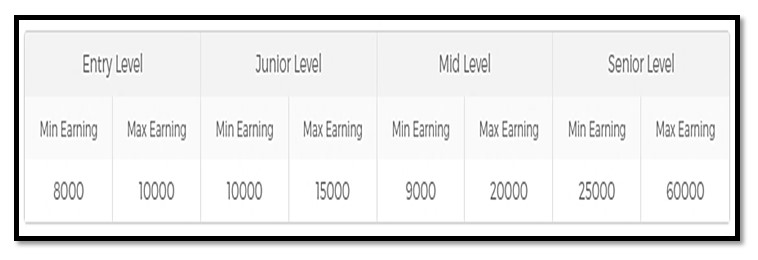
1. In the beginning of your career as a trainee or apprentice, you will get about Rs. 8,000 – 10,000 or more per month.
2. With 2 or more years of experience, you may earn between Rs. 9,000 – 20,000 or more per month.
3. With 13+ years of experience, you may earn about Rs. 25,000 – 60,000 or more per month.
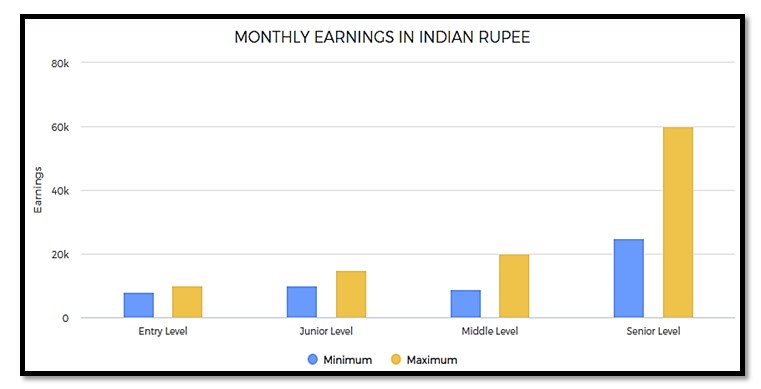
Monthly Earnings In Indian Rupee
Work Activities
1. Inspecting equipment, systems, structures, and materials – Inspecting equipment, systems, structures, and materials to ascertain quality, performance, defects, causes of errors, etc.
2. Handling and moving objects and materials – Using hands or otherwise use physical strength to handle and move objects and materials; maneuver, install, lift, place, manipulate, etc.
3. Identifying objects, actions, and events – Identifying various characteristics of objects; observing and understanding actions and events; understanding changes in actions and events.
4. Performing physical activities - Performing physical activities that require the use of your arms and legs and moving your whole body, such as climbing, lifting, balancing, walking, stooping, and handling of materials.
5. Getting Information and learning – Observing, hearing, reading or otherwise obtaining information from various sources and learning from it.
6. Communicating with co-workers and others – Communicating with people in writing, verbally or otherwise inside your workplace and various other people who have professional relationships with your place of work.
Future Prospects
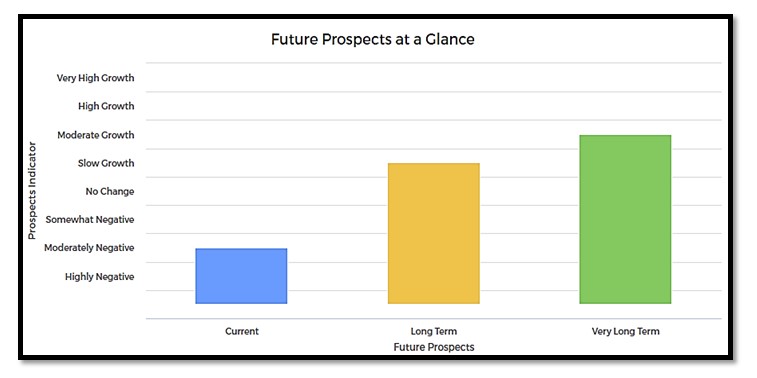
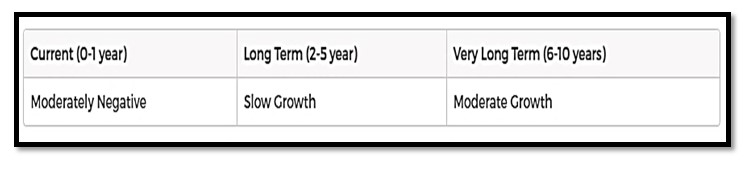
The future seems to show good growth. Automotive and Heavy Vehicles sector is predicted to experience sales growth by 3% annually (two-wheelers by 9%) and is expected to reach more than 250 billion US Dollars by 2026. India’s participation in the manufacturing segment (commercial vehicles) of this industry is also increasing and exports are targeted to grow 5 times the current volume by 2026. Lots of start-ups are also coming up especially in the electric vehicles space. New players like Tesla Motors are also set to make an entry into the Indian market.