

Sound Engineer / Audio Engineer
Entry Level Qualification
Class 12
Career Fields
Engineering & Technology
For Specially Abled


Career Entrance Exam
About Career
↵
PARTICULARS | DESCRIPTION |
Name | Sound Engineer / Audio Engineer |
Purpose | Live Sound Engineering |
Career Field | Engineering & Technology |
Required Entrance Exam | JEE MAIN BE/BTECH, JEE ADVANCED, GATE |
Average Salary | 300000 - 800000 Rs. Per Year |
Companies For You | Universal Music Group, Harman International, Sony Music Entertainment & Many More |
Who is Eligible | Class 12th Pass |
Sound/ Audio engineers are responsible for manipulating acoustics to achieve a desired result. Now, this is considered in two roughly different contexts. Number one: training in the creative use of audio as a sound engineer. Number two: training in science or engineering topics, which allows application of learnt concepts into developing audio technologies.
A) The Creative Context
You, as a Sound/ Acoustics/ Audio Engineer may be involved in live events (music concerts, theatrical performances, at ad/film shoot locations, sporting events etc) to record live sound. You could also work in a studio, recording for commercial music, film, TV, radio, advertising, gaming or interactive media purposes.
Studio/ Live Sound Engineers must be aware of how audio signals travel, understand which equipment to use & when, how to mix different instruments with amplifiers, which microphones to use and how to position them in order to get good quality coverage.
A.1) Studio Sound Engineers
Studio Sound Engineers are responsible for planning a recording session with an artist or musician. This involves setting up the required equipment, recording each instrument separately and then editing & mixing the recorded tracks.
A.2) Live Sound Mixing Engineers
Live Sound Mixing Engineers focus on the blending of multiple sound sources using a mixing console or software. This also includes on-location or sync sound such as at shooting locations during shoot (recording live sound).
This also includes sound generated by sources like those from instruments & voices which are picked up by microphones for drum kit, lead vocals and acoustic instruments like piano or saxophone or electric bass etc.
Individual sources are typically adjusted through an equalizer and routed to processors for amplification to be reproduced via a loudspeaker system. There can be different types of roles for Live Sound Mixing Engineers.
A.3) Editing, Mixing, Mastering
It also involves working on the edited mix to refine and perfect the audio. A master engineer strives to ensure consistency of sound across different playback formats and produces a master copy, which is a final, replicable, version of the track. Tasks vary depending on whether you're working with live or recorded sound.
A.4) Regular duties at work
They have to be capable of designing, setting up and testing audio equipment including microphones and the speaker system, conducting individual recordings of each instrument and vocal (in case of studio audio, not live), using a mixing console, adding sound effects, enhancing/editing/mixing studio-recorded tracks; mastering the mixed & edited tracks by listening to them and then using equalizers or filters (specialist equipments).
The majority of jobs today is in live sound and are usually freelance, short-term contracts. These also involve frequent national or international travel.
B) The Engineering Context
Alternatively, as an Engineer who designs, develops & builds audio or musical technology, you may be employed in research & development in the audio/acoustic/consumer electronics/software industry applying engineering principles, software programming skills and Mathematics.
B.1) Work on what?
It will primarily be to develop audio-related technologies (design of headphones, microphones, loudspeakers, sound reproduction systems, recording technologies or other software applications such as FaceTime or Google Duo).
B.2) And also,
You may also instead be researching about the design of musical instruments such as synthesizers; the human voice (the physics & neurophysiology of singing); physical modeling of musical instruments etc.
B.3) Some more use-cases
R&D Audio Engineers invent new technologies, equipment and techniques. They might design acoustical simulations of rooms/halls inside buildings, specify the requirements for public address systems such as public radio, shape algorithms for audio signal processing, carry out research on video game consoles etc.
Key Roles and Responsibilities
As a Sound Engineer / Audio Engineer, you will be engaged with one or more of the following roles & responsibilities as well as other associated duties:
1. You will participate in the development of technology to power real-time audio and video communications features or design, develop & build audio or musical technology.
2. You will help to produce any type of recording or a live performance, balancing and adjusting sound sources using equalization & audio effects, mixing reproduction, and reinforcement of sound for film, radio, television, music, video games or any type of media content.
3. You will ensure the delivery of high-quality audio, and edit audio content to optimize continuity, integrity, style, consistency, and structure.
4. You will design acoustical simulations of rooms, shape algorithms for audio signal processing, carry out research on audible sound for digital consoles, and other advanced fields of audio engineering.
5. You will be responsible for overseeing recording sessions, identifying and integrating best pieces of tape, tape clean up and editing, and mixing and mastering.
6. You will develop technologies and algorithms to design audio signal processing, AI Audio models for recognizing & processing speech signals, improve voice recognition and differentiation based on needs of speech and machine learning applications or develop next-generation stream processing platform (real-time and offline).
7. You will brainstorm & collaborate with the production team to develop compelling content and creative storytelling formats.
8. You will deal with sound for a wide range of applications, including post-production and deliver advanced technology solutions for video & film, live sound reinforcement, advertising, multimedia, and broadcasting.
Career Entry Pathway
Class 10 all subjects as per scheme of studies – Class 11-12 Physics, Chemistry and Mathematics/ Class 11-12 Physics, Chemistry, Mathematics and Computer along with any other subject as per scheme of studies– Bachelor’s in EE/CSE/EEE/ME/CS – Diploma in Sound/Audio Engineering, Audio & Music Production, Acoustics, Music Technology, Sound Production, Electronic Music Production, Sound Design, Sound Recording & Engineering or similar
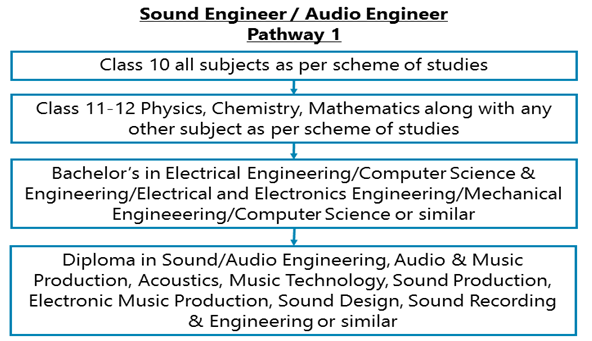
After completing Class 11-12 Physics, Chemistry and Mathematics with or without Computer along with any other subject as per scheme of studies, you can go for Bachelor’s in Electrical Engineering/Computer Science & Engineering/Electrical and Electronics Engineering/Mechanical Engineeering/Computer Science or similar. Thereafter pursue Diploma in Sound/Audio Engineering, Audio & Music Production, Acoustics, Music Technology, Sound Production, Electronic Music Production, Sound Design, Sound Recording & Engineering or similar
Class 10 all subjects as per scheme of studies – Class 11-12 Physics, Chemistry and Mathematics/ Class 11-12 Physics, Chemistry, Mathematics and Computer along with any other subject as per scheme of studies – Bachelor’s in EE/CSE/EEE/ME/CS – Diploma in Sound/Audio Engineering, Audio & Music Production, Acoustics, Music Technology, Sound Production, Electronic Music Production, Sound Design, Sound Recording & Engineering or similar
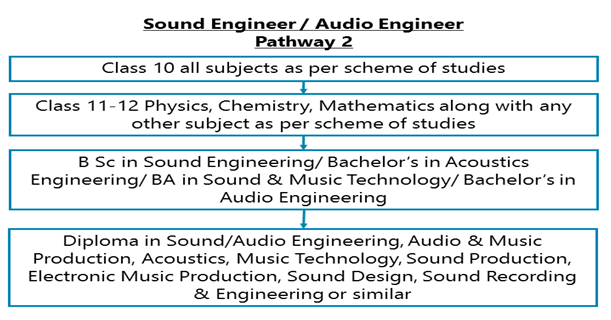
After completing Class 11-12 Physics, Chemistry and Mathematics with or without Computer along with any other subject as per scheme of studies, go for B Sc in Sound Engineering/ Bachelor’s in Acoustics Engineering/ BA in Sound & Music Technology/ Bachelor’s in Audio Engineering. Thereafter you may also additionally go for a Diploma in Sound/Audio Engineering, Audio & Music Production, Acoustics, Music Technology, Sound Production, Electronic Music Production, Sound Design, Sound Recording & Engineering or similar
Class 10 all subjects as per scheme of studies – Class 11-12 Physics, Chemistry and Mathematics/ Class 11-12 Physics, Chemistry, Mathematics and Computer along with any other subject as per scheme of studies– Bachelor’s in EE/CSE/EEE/ME– M Tech in Audio Systems Engineering/ Multimedia Information Processing/ Audio Engineering/ Media & Sound Engineering or similar
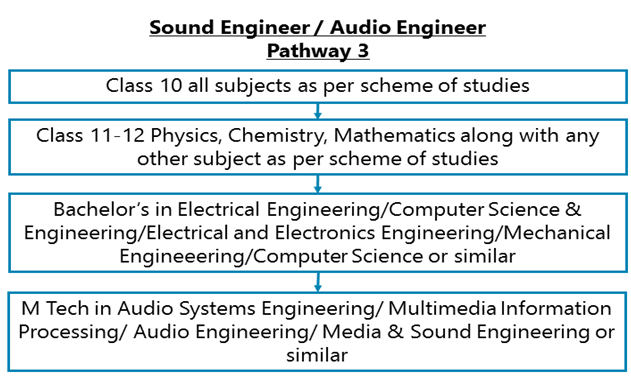
After completing Class 11-12 Physics, Chemistry and Mathematics with or without Computer along with any other subject as per scheme of studies, you can go for Bachelor’s in Electrical Engineering/Computer Science & Engineering/Electrical and Electronics Engineering/Mechanical Engineeering/Computer Science or similar. Then go for M Tech in Audio Systems Engineering/ Multimedia Information Processing/ Audio Engineering/ Media & Sound Engineering or similar.
Class 10 all subjects as per scheme of studies – Class 11-12 Mathematics along with any other subject as per scheme of studies – Bachelor’s in EE/CSE/EEE/ME– M Tech in Audio Systems Engineering/ Multimedia Information Processing/ Audio Engineering/ Media & Sound Engineering or similar
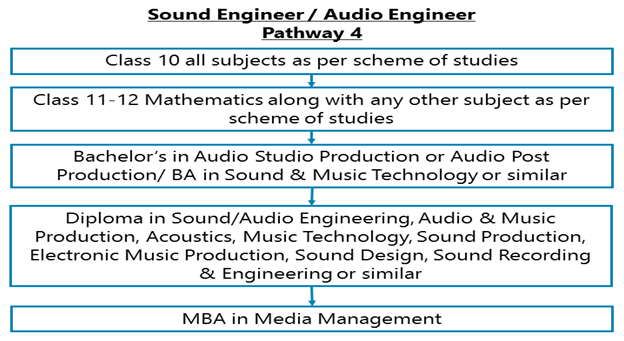
After completing Class 11-12 Mathematics along with any other subject as per scheme of studies, go for Bachelor’s in Audio Studio Production, Audio Post Production or similar. Then go for a Diploma course in Sound/Audio Engineering, Audio & Music Production, Acoustics, Music Technology, Sound Production, Electronic Music Production, Sound Design, Sound Recording & Engineering or similar. Thereafter you may also additionally go for an MBA in Media Management.
Class 10 all subjects as per scheme of studies – Class 11-12 Physics, Chemistry, Mathematics/ Class 11-12 Physics, Chemistry, Mathematics and Computer along with any other subject as per scheme of studies – B Sc in Sound Engineering/ Bachelor’s in Acoustics Engineering/ BA in Sound & Music Technology – Diploma in Sound/Audio Engineering, Audio & Music Production, Acoustics, Music Technology, Sound Production, Electronic Music Production, Sound Design, Sound Recording & Engineering or similar - MBA in Media Management (optional)
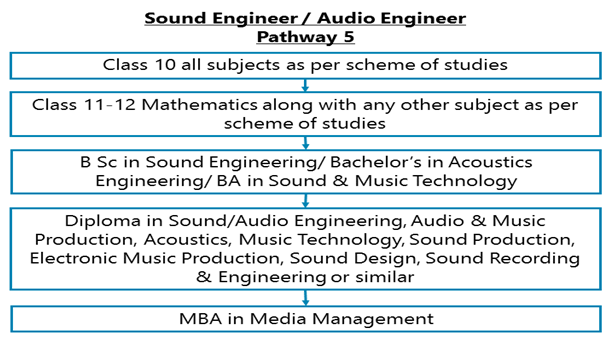
After Class 11-12 Physics, Chemistry, Mathematics with or without Computer along with any other subject as per scheme of studies, then do B Sc in Sound Engineering/ Bachelor’s in Acoustics Engineering/ BA in Sound & Music Technology then a Diploma in Sound/Audio Engineering, Audio & Music Production, Acoustics, Music Technology, Sound Production, Electronic Music Production, Sound Design, Sound Recording & Engineering or similar then MBA in Media Management (optional)
Class 10 all subjects as per scheme of studies - Class 11-12 Physics, Chemistry and Mathematics along with any other subject as per scheme of studies - Bachelor’s in Electrical Engineering/Computer Science & Engineering/Electrical and Electronics Engineering/Mechanical Engineeering/Computer Science or similar - Diploma in Sound/Audio Engineering, Audio & Music Production, Acoustics, Music Technology, Sound Production, Electronic Music Production, Sound Design, Sound Recording & Engineering or similar
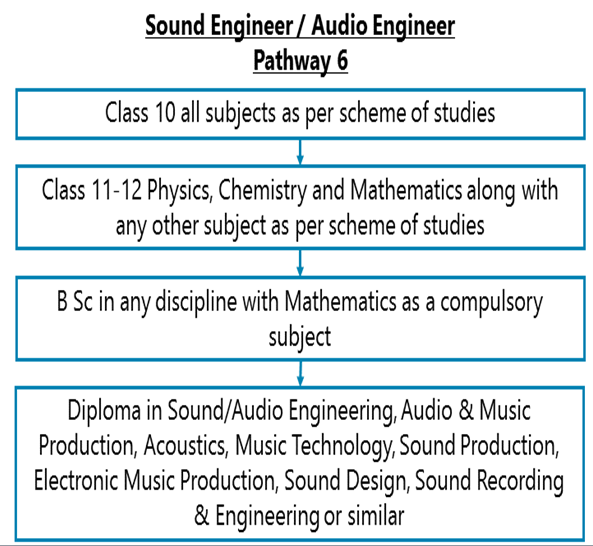
After completing Class 11-12 Physics, Chemistry and Mathematics along with any other subject as per scheme of studies, go for a B Sc in any discipline with Mathematics as a compulsory subject. Thereafter pursue a Diploma course in Sound/Audio Engineering, Audio & Music Production, Acoustics, Music Technology, Sound Production, Electronic Music Production, Sound Design, Sound Recording & Engineering or similar
Class 10 all subjects as per scheme of studies – Class 11-12 Physics, Chemistry and Mathematics along with any other subject as per scheme of studies – Bachelor’s in Physics/ Mathematics/ CS – Master’s in respective disciplines - M Tech in Audio Systems Engineering/ Multimedia Information Processing/ Audio Engineering/ Media & Sound Engineering or similar
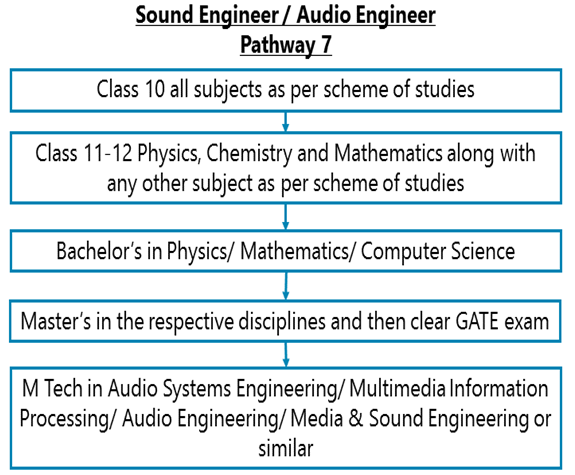
After Class 11-12 Physics, Chemistry and Mathematics along with any other subject as per scheme of studies, Bachelor’s in Physics/ Mathematics/ CS – Master’s in respective disciplines - M Tech in Audio Systems Engineering/ Multimedia Information Processing/ Audio Engineering/ Media & Sound Engineering or similar
Class 10 all subjects as per scheme of studies – Class 11-12 Physics, Chemistry and Mathematics/ Class 11-12 Physics, Chemistry, Mathematics and Computer along with any other subject as per scheme of studies– Dual degree in any core engineering discipline – PG Diploma in Sound/Audio Engineering, Audio & Music Production, Acoustics, Music Technology, Sound Production, Electronic Music Production, Sound Design, Sound Recording & Engineering or similar
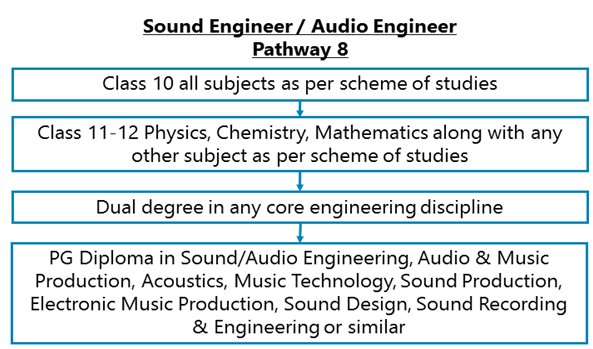
After completing Class 11-12 Physics, Chemistry and Mathematics with or without Computer along with any other subject as per scheme of studies, then go for a Dual degree in any core engineering discipline. Then go for a PG Diploma in Sound/Audio Engineering, Audio & Music Production, Acoustics, Music Technology, Sound Production, Electronic Music Production, Sound Design, Sound Recording & Engineering or similar.
Class 10 all subjects as per scheme of studies – Class 11-12 Mathematics along with any other subject as per scheme of studies– Bachelor’s in Visual Communication with specialization in Audio Engineering - Diploma in Sound/Audio Engineering, Audio & Music Production, Acoustics, Music Technology, Sound Production, Electronic Music Production, Sound Design, Sound Recording & Engineering or similar
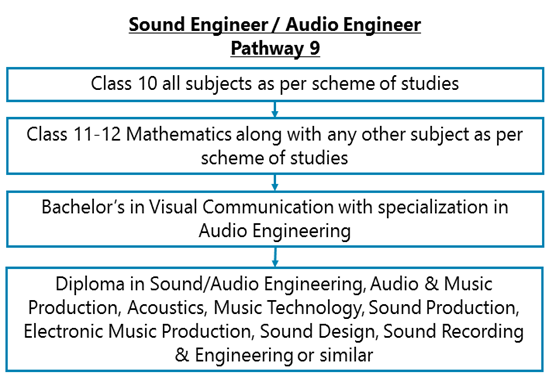
After completing Class 11-12 Mathematics along with any other subject as per scheme of studies, go for Bachelor’s in Visual Communication. Many colleges offer a degree in VisCom with a specialization in Audio Engineering. Go for that specialization. Thereafter pursue a Diploma course in Sound/Audio Engineering, Audio & Music Production, Acoustics, Music Technology, Sound Production, Electronic Music Production, Sound Design, Sound Recording & Engineering or similar.
Class 10 all subjects as per scheme of studies – Class 11-12 Physics, Chemistry and Mathematics/ Class 11-12 Physics, Chemistry, Mathematics and Computer along with any other subject as per scheme of studies – Bachelor’s in Audio Engineering or Bachelor’s in any core engineering discipline – M Tech in Audio Systems Engineering/ Multimedia Information Processing/ Audio Engineering/ Media & Sound Engineering or similar – PhD
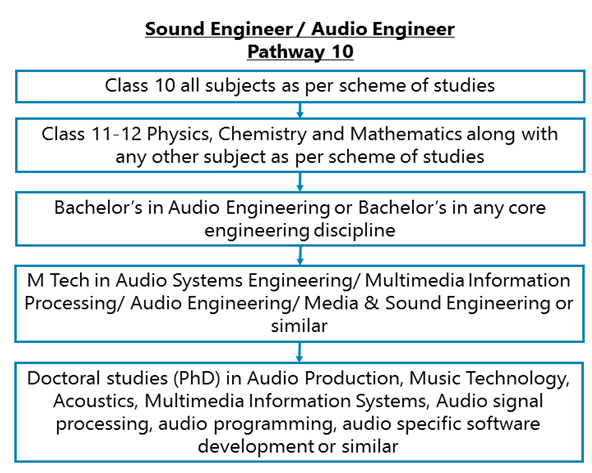
After completing Class 11-12 Physics, Chemistry and Mathematics with or without Computer along with any other subject as per scheme of studies, go for a Bachelor’s in Audio Engineering or Bachelor’s in any core engineering discipline. Then go for M Tech in Audio Systems Engineering/ Multimedia Information Processing/ Audio Engineering/ Media & Sound Engineering or similar. If you are a B Sc graduate, you will have to clear GATE exam for most colleges or otherwise some colleges may also have separate sets of entrance examinations. Thereafter you may also continue with your Doctoral studies (PhD) in Audio Production, Music Technology, Acoustics, Multimedia Information Systems, Audio signal processing, audio programming, audio specific software development or similar.
Required Qualification & Competencies
To get into this field, you will need to pass Class 10 examination with all subjects as per scheme of studies. Then you must complete Class 11-12 :
1. Class 11-12 Physics. Chemistry, Mathematics along with any other subject as per scheme of studies
2. Class 11-12 Physics. Chemistry, Mathematics, Computer Science along with any other subject as per scheme of studies
3. Class 11-12 Mathematics along with any other subject as per scheme of studies
After Class 11-12:
1. You can go for Bachelor’s in Music Technology, Audio Engineering
2. You can go for a B Sc in Sound Engineering/ Bachelor’s in Acoustics Engineering/ BA in Sound & Music Technology.
3. You can go for a Bachelor’s in any of the core engineering fields.
4. Bachelor degree in Physics, Mathematics, Computer Science
5. You can go for a Dual-Degree program of B.Tech (Hons) in any Core Engineering.
6. You can go for a B.Sc. in Visual Communication with specialization in Audio Engineering.
7. You can go for a Bachelor’s in Audio Studio Production or Audio Post Production
You can study for a Bachelor’s / Master’s / Doctoral degree in any of the following fields (Note that all these fields may not offer you a degree at all three levels, that is in Bachelor’s, Master’s and Doctoral. Some fields may offer a degree only at the Master’s or at the Doctoral level):
1. Sound Design and Engineering
2. Sound Engineering
3. Electrical and Electronics Engineering
4. Electrical Engineering
5. Computer Science and Engineering
6. Computer Science
7. Electrical Signal Processing & Systems
8. Electronics & Communication Engineering
9. Electronics & Instrumentation
10. Electrical and Computer Engineering
11. Physics
12. Mathematics
13. Electronics and Computer Engineering
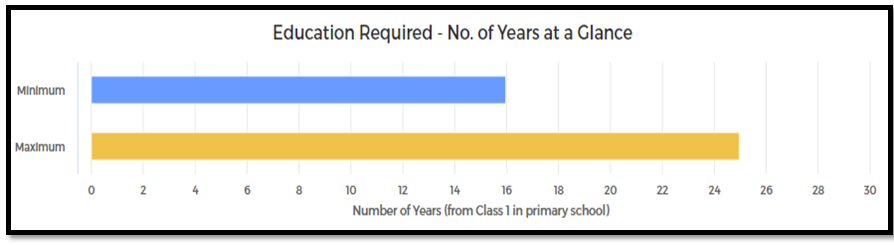
MINIMUM EDUCATION REQUIRED | MAXIMUM EDUCATION REQUIRED |
Under Graduate | Doctoral |
COMPETENCIES REQUIRED
Interests
1. You should have interests for Investigative Occupations. Investigative occupations involve working with ideas and quite a lot of thinking, often abstract or conceptual thinking. These involve learning about facts and figures; involve use of data analysis, assessment of situations, decision making and problem solving.
2. You should have interests for Conventional Occupations. Conventional occupations involve repetitive and routine tasks as well as fixed processes or procedures for getting things done. These occupations involve working more with data, systems, and procedures and less with ideas or creativity.
3. You should have interests for Enterprising Occupations. Enterprising occupations involve taking initiatives, initiating actions, and planning to achieve goals, often business goals. These involve gathering resources and leading people to get things done. These require decision making, risk taking and action orientation.
Knowledge
1. You should have knowledge of Communications and Media – Knowledge of how different media such as real-time, offline works; how to produce content such as audio-visual programs, news, music, articles, virtual reality etc. for different media.
2. You should have knowledge of Computers - Knowledge of computer hardware and software, computer programming, computer networks, computer and mobile applications.
3. You should have knowledge of latest Digital Consoles (SC48, Vi, X32, M32, etc), familiarity with typical audio/video codecs: AAC, AC-3, H.264, HEVC; typical multimedia file formats: QuickTime Movie, MPEG-4, MPEG-TS;
4. You should have proficiency in editing & mixing, and strong understanding of audio tools (e.g., microphones, recorders, plugin’s for EQ, compression, denoising), technologies (e.g., ProTools, Adobe Audition).
5. You should have knowledge of studio and field recording equipment, as well as connection methods such as ISDN and Comrex connections
6. You may need experience in Linux audio processing, network audio streams, matrix microphones, echo cancellation, and integration with AI Audio models for recognizing and processing speech signals.
7. You may need knowledge of software tools such as ARKit, RealityKit, SceneKit, Unity, Swift / Unreal, WWISE/Food, Max/MSP, Faust, PureData, Supercollider, Audio DSP for telephony or music applications or object-oriented coding in Objective-C.
8. You will need knowledge of running DAW software such as Logic, ProTools, REAPER, etc., scripting languages such as Python & MATLAB and experience with Cocoa programming.
Skills
1. You should have Systems Analysis Skills - determining how a system should work and how changes in conditions, operations, or the environment will affect outcomes.
2. You should have Systems Evaluation Skills - identifying measures or indicators of system performance and the actions needed to improve or correct performance, relative to the goals of the system.
3. You should have Quality Control Analysis Skills - conducting tests and inspections of products, services, or processes to evaluate quality or performance.
4. You should have Critical Thinking skills- Skills in the analysis of complex situations, using logic and reasoning to understand the situations and take appropriate actions or make interpretations and inferences.
5. You should have Judgment and Decision Making Skills - considering pros and cons of various decision alternatives; considering costs and benefits; taking appropriate and suitable decisions.
6. You should have Problem Solving Skills - Skills in analysis and understanding of problems, evaluating various options to solve the problems and using the best option to solve the problems.
7. You may need Programming Skills - writing computer programs for various applications, installation of computer programs and troubleshooting of problems in computer programs or software.
Ability
1. You should have Deductive Reasoning Ability - apply general rules and common logic to specific problems to produce answers that are logical and make sense. For example, understanding the reasons behind an event or a situation using general rules and common logic.
2. You should have Problem Sensitivity - The ability to tell when something is wrong or is likely to go wrong. It does not involve solving the problem, only recognizing there is a problem.
3. You should have Inductive Reasoning Ability - to combine pieces of information from various sources, concepts, and theories to form general rules or conclusions. For example, analyzing various events or situations to come out with a set of rules or conclusions.
4. You should have Information Ordering Ability - to arrange things or actions in a certain order or pattern according to a specific rule or set of rules (e.g., patterns of numbers, letters, words, pictures, mathematical operations).
5. You should have Fluency of Ideas - The ability to come up with several ideas about a topic (the number of ideas is important, not their quality, correctness, or creativity).
Personality Traits
1. You are always or mostly careful about your actions and behaviour.
2. You are always or mostly disciplined in your action and behaviour.
3. You are always calm or generally remain calm in most situations.
4. You are imaginative sometimes.
5. You are always or mostly organised in your day-to-day life and activities.
6. You always prefer to experience new things and have new experiences or you mostly do.
7. You can always act independently or could do so in most situations.
Career - Job Opportunities & Profiles
Work in this field is not very diverse. You will either
1. Work with audio & design teams of software/ hardware development enterprises or sound experience companies which develop & manufacture media streaming devices such as consumer electronic devices, multiroom wireless audio equipment, digital consoles, radiofrequency streaming units, wireless audio appliances such as for use in aircraft/ spacecraft etc.
2. Work in engineering departments of multimedia organizations, studio & distribution networks producing news, information, & music programming or entertainment content across film, television, premium digital video, social, and virtual reality
3. Work with technology development groups within corporations focused on using state-of-the-art Machine Learning, AI, SONAR or related technologies.
4. Work with AV design/ production departments of engineering consultancies or contract manufacturing organizations.
You may first join as a Trainee Engineer/ Research Intern/ Graduate Trainee/ Program Extern/ Support Intern or directly in one of these positions depending on your educational qualifications:
1. Audio/ Sound Engineer
2. Audio/ Media Streaming Engineer
3. Electroacoustic Test Engineer
4. Spatial Audio Experience Prototyping Engineer
5. Realtime Media Engineer
6. CoreMedia Playback Engineer
7. Media/Audio Applications Senior Engineer
8. Audio Authoring Prototyping Engineer
9. Electroacoustic Engineer
10. Live Sound Engineer
11. Post-Production Audio Engineer
12. Audio Hardware Engineer
13. Research Engineer - Sound Tech
14. Production Audio Engineer
15. Laboratory Sound Engineer
16. AV Tech Engineer
17. AV Specialist
1. You may work with consumer electronics & communications companies, TV businesses, mobile phone businesses such as Bose, Sennheiser, Dolby Laboratories, Hitachi, Panasonic, Sharp, Sony, Samsung, LG Electronics, Toshiba, Philips etc.




2. You may work with gaming, media production and entertainment industry with biggies such as Nvidia, Sony Interactive Entertainment PlayStation, Fox Searchlight, Universal Audio Inc, Electronic Arts, Blizzard Entertainment, MGM, Twentieth Century Fox etc.
3. You may work with software development & IT giants such as Apple, Google, Microsoft, etc.
4. You may work with media/ AV streaming brands such as Netflix, Amazon, Youtube, Investigation Discovery and more.
5. You may work for engineering companies specializing in “architectural acoustics” to ensure maintenance, oversight, & management of entire audiovisual infrastructures in high-rises, skyscrapers, theaters, studios, galleries, lecture rooms, restaurant, railway stations, concert hall or recording studios etc.
6. You may work with IT companies focused on software engineering in the field of AI such as IPSoft, OpenAI, AlphaSense, AIBrain, CloudMinds, Deepmind, H20, Iris AI, Active.ai, etc.
7. You may work with various contract manufacturing organizations which work for space research & administration organizations such as NASA, ISRO, etc.
8. You may work with engineering consulting agencies in partnership with public radio stations
9. You may also work as a Laboratory Sound Engineer such as for setting up & maintaining recording studio spaces to be used in new digital psychotherapies for maximizing patient engagement.
SPECIALISATION TRACKS IN THIS CAREER
1. Musical Acoustics Engineers
Musical acoustics Engineers are concerned with researching about the design of electronic instruments such as synthesizers; the human voice (the physics & neurophysiology of singing); physical modeling of musical instruments; and the perception and cognition of music. This sub-branch combines knowledge from physics, psychophysics, organology (classification of the instruments), physiology, music theory, ethnomusicology, signal processing and instrument building, among other disciplines. Musical acoustics Engineers are concerned with how sounds are employed to make music. Examples of areas of study are the human voice (the physics of speech and singing), computer analysis of melody, and in the clinical use of music in music therapy.
2. Audio Engineers (Audio/ Speech Signal Processing)
Audio engineers may develop software algorithms for allowing the electronic manipulation of audio signals. Such manipulation is called audio signal processing. Audio signals are electronic representations of sound waves which are “longitudinal waves” that travel through air. The production, computer processing & perception of speech is a very essential focus of audio engineers. Ensuring speech is transmitted intelligibly, efficiently and with high quality; in rooms, through public address systems and through mobile telephone systems are important domains of modern research and study.
3. Architectural Acoustics Engineers
Architectural Acoustics Engineers are dedicated to the science and engineering of achieving a good sound within a building such as in high-rises, skyscrapers, theaters, studios, galleries, lecture rooms, restaurant, railway stations, concert hall (room acoustics of concert venues) or recording studios etc. They analyze noise transmission from building exterior envelope to interior and vice versa. An example would be providing a suitable design for a home which is to be constructed close to a high volume roadway, or under the flight path of a major airport, or of the airport itself.
4. Live Sound Mixing Engineers
Live Sound Mixing Engineers focus on the blending of multiple sound sources using a mixing console or software. This also includes on-location or sync sound such as at shooting locations during shoot (recording live sound). This also includes sound generated by sources like those from instruments & voices which are picked up by microphones for drum kit, lead vocals and acoustic instruments like piano or saxophone or electric bass etc. Individual sources are typically adjusted through an equalizer and routed to processors for amplification to be reproduced via a loudspeaker system. There can be different types of roles for Live Sound Mixing Engineers. A front of house (FOH) engineer focuses on mixing audio for a live audience. A foldback or monitor engineer focuses on mixing the sound that the performers hear on a stage. A broadcast mixer is responsible for audio delivered for radio or television broadcast.
5. Electroacoustics Engineers
Electroacoustics Engineers are concerned with the design of headphones, microphones, loudspeakers, sound reproduction systems and recording technologies. Examples include portable electronic devices (e.g. mobile phones, portable media players, and tablet computers), sound systems in movie theaters, vehicle audio etc.
6. Realtime Media Engineers
Realtime Media Engineers develop the technology that powers real-time audio and video communications or streaming platforms such as those for Netflix, Amazon, FaceTime, Google Duo etc. They generally have a deep understanding of software programming. They are responsible for developing the features, contributing to design & architecture, analyzing & optimizing performance, and tuning algorithms for enhancing audio and video experience.
7. Psychoacoustics Engineers
Psychoacoustics Engineers focus on the scientific study of how humans respond to what they hear. At the heart of audio engineering are the listeners who are the final judge as to whether an audio design is immersive. This sub-specialty is a confluence of many areas, like psychology, acoustics, electronic engineering, physics, biology, physiology, and computer science. Engineers may be involved in developing psychoacoustic software models to minimize significant losses in the consciously perceived quality of the sound. Humans are adept at detecting direction in the horizontal due to the ears being placed symmetrically. Various factors such as the age-dependent threshold changes, frequency components of the original signal, sound localization in the human brain etc are essential in determining the efficacy of a design. Such parameters can explain how a sharp clap of the hands might seem painfully loud in a quiet library, but is hardly noticeable after a car backfires on a busy, urban street.
8. Sound Designer/ Foley Artist
Sound Designers are experts in the art & practice of creating sound tracks for a variety of needs using audio production techniques and tools. They can be employed in various disciplines including filmmaking, video game development, software involving human-computer interfaces (HCIs), live performances like musicals or fashion shows, television production, theatre, sound recording & reproduction, radio & musical instrument development etc. Sound Design commonly involves “foley” which is the reproduction of everyday sound effects (such as that of swishing of clothing, footsteps to squeaky doors and breaking glass) that are added to films, videos, and other media to enhance audio quality. The props and sets of a film often do not react the same way acoustically as their real life counterparts. So they have to be recorded individually & distinctly and is generally added post-production. Foley artists are generally employed in the film/ television production communities.
CAREER GROWTH
If you join as a Trainee Engineer/ Research Intern/ Graduate Trainee/ Program Extern/ Support Intern, then after completion of your training, you will be positioned as Audio/ Sound Engineer, Audio/ Media Streaming Engineer, Electroacoustic Test Engineer, Spatial Audio Experience Prototyping Engineer, Realtime Media Engineer or in similar positions.
However, if you join after your post-graduation or higher advanced qualifications in a relevant discipline, you can surpass traineeship/ internship to directly get a job as any one of these positions.
After 5-7+ years of experience, you can expect to become a Senior Audio Engineer; Media Applications Senior Engineer; Senior Engineer-Audio Electronics Design; Senior Engineer-Acoustics; Senior Staff Engineer, Senior Podcast Producer; or similar roles.
After 7-10+ years of experience, you can expect to rise to the roles of Senior Consultant, Acoustics Engineering Lead, Lead Audio Engineer, Chief Audio Engineer, Engineering Manager, Head of Audio or similar roles.
Then after 10-15+ years of experience, you can expect to rise to the roles of Assistant Technical Director, Associate Director, Director of Engineering, Director-Global Product Training, Director of Research & Development-Sustaining Engineering, Director of Business Insights; Senior Director, Global Customer Success; Global Partner Director; CEO or similar roles.
Salary Offered
1. At the entry level jobs with private companies, you may expect to get about: Rs. 25,000 – 60,000 or even more a month (higher sides by MNCs to premier institution graduates). In junior level jobs (after 5+ years of experience), you can make about Rs. 40,000 – 1,50,000 or more per month.
2. In mid-level jobs with private companies in India, you can expect to earn about Rs. 60,000 – 2,00,000 or even more a month.
3. In senior-level jobs with private companies in India, you can expect to earn about Rs. 1,00,000 – 3,00,000 or even more a month.
4. All higher ranges are by MNC engineering firms and lower ones by medium to small scale Indian companies/ studios and production houses.
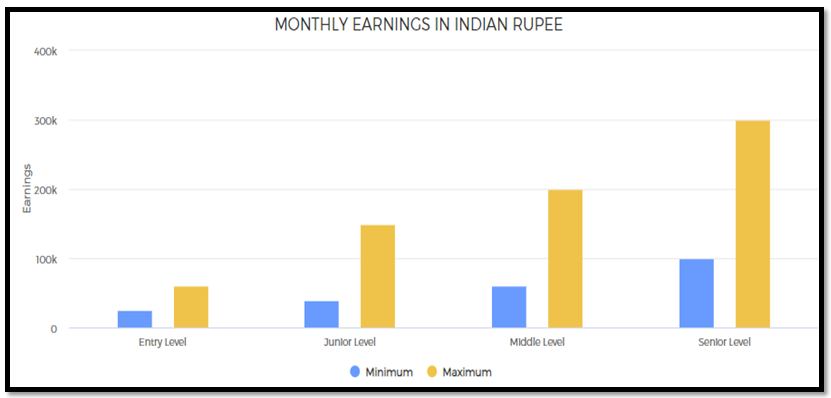
MONTHLY EARNINGS IN INDIAN RUPEE

1. Entry level: 0 - 2 years of work experience
2. Junior Level: From 1 to 12 years of work experience
3. Mid Level: From 5 to 20+ years of work experience
4. Senior Level: From 10 to 25+ years of work experience (there could be exceptions in some high-end technical, financial, engineering, creative, management, sports, and other careers; also in the near future, people will reach these levels much faster in many careers and in some careers, these levels will have no meaning as those careers will be completely tech skill driven such as even now, there is almost no level in a Cyber Security Expert’s job)
Work Activities
1. Analyzing and interpreting data and information - Analysis of data and information to find facts, trends, reasons behind situations, etc.; interpretation of data to aid in decision making.
2. Computing - using various computer software applications; writing algorithm for various computer and mobile applications; using software applications for scientific and technical work.
3. Creative thinking - Developing new ideas, concepts, innovative solutions to problems, newer ways of getting things done, designing products and services, creating work of art and craft, etc.
4. Getting Information and learning - Observing, hearing, reading, using computers, or otherwise obtaining information and learning from it.
5. Making decisions and solving problems - Analysis of data and information; evaluation of alternative decisions and results of decisions; taking the right decisions and solving problems.
6. Organising, planning and prioritizing tasks - Planning and organising tasks in order to achieve work goals; prioritizing tasks to achieve goals and making the best use of the time available.
7. Processing information - Compiling, tabulating, calculating, auditing, verifying or otherwise dealing with information processing including data entry, transcription, recording, storing and maintaining databases.
8. Strategic planning - Developing visions and goals, developing strategies and action plans for achieving visions and goals.
9. Updating and using relevant knowledge - Keeping updated with the latest knowledge relevant to your fields of work and use of the relevant knowledge in getting things done.
10. Using computers for work - Using computers for day-to-day office work; using computer software for various applications in day-to-day professional work; entering data and process information; for writing.
11. Working in a team - Working in a team of people; developing team; maintaining professional relationships among team members.
12. Working with computers, programming and performing technical tasks - Using computers and computer systems, hardware and software for programming, developing software and / or hardware, developing computer applications, systems, and networks; developing mobile applications.
Future Prospects
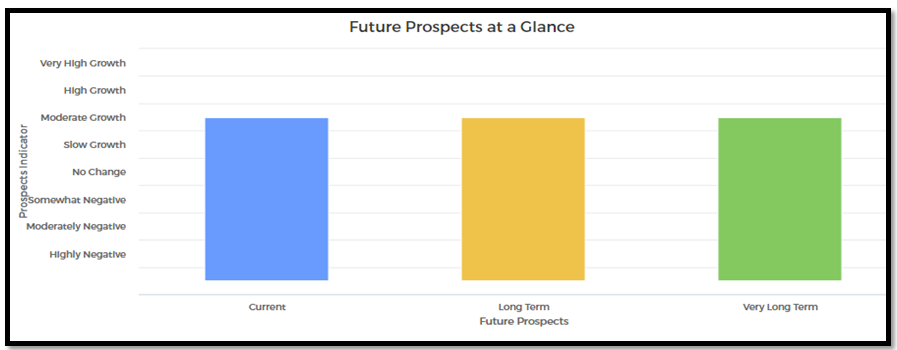
The future of this pathway seems extremely bright especially as the industry statistics are very encouraging.
The tricky thing about audio engineering is that before you get familiar with 1 technology, another is just around the corner. With the invasive growth & development of the electronic media, there is a continuously rising demand for Sound Engineers. The U.S. Bureau of Labor Statistics expects an 8% increase in employment for audio engineers by 2026. This number jumps to 13% for those with training in visual equipment or electronic music having a core engineering background. Opportunities exist in almost every sector of the economy: entertainment, business, education, health care, etc.
With so many innovations coming to the audio industry, computer-based audio modeling is picking up pace making it much easier to design audio systems. We are also likely to see more podcasts in the coming decade. The audiobook market is on a steady rise too.
The Global Sound Reinforcement Market revenue is expected to reach USD 9 billion by 2024 and is likely to grow at a rate of 3.33% during 2018−2024. This is likely to be propelled by the increased use of such equipment like speakers, amplifiers, mixers, and processors in sports tournaments, educational institutes (adoption of innovative tools & technologies to promote e-learning in classrooms), corporate setups, government offices, institutional workplaces, live music concerts, exhibitions, trade shows etc.
The radio industry too is expected to witness continued growth and is not a dead medium yet. The Radio Industry market worldwide is projected to grow by USD 11.4 Billion to reach over USD 28.4 Billion by the year 2025, driven by a compounded annual growth of 3.1%.
The global Industrial Hearables Market size is expected to reach USD 2,038.3 million by 2026 from USD 151.7 million, growing at a rate of 37.6% from 2019 to 2026 compounded annually.
The value of the Global Sonar Systems Market is projected to reach USD 5.3 Billion by 2024 from USD 4.2 Billion, at a rate of around 4% during 2019-2024 compounded annually.
The Global Automotive Acoustic Engineering Services Market accounted for USD 2.12 billion and is expected to reach USD 4.56 billion by 2026 growing at a rate of 8.9% compounded annually.
The Video Management Software (VMS) Market worldwide is projected to grow by US$16.4 Billion to reach over USD 8.4 Billion by the year 2025, driven by a rate of 21.9% compounded annually. Video Intelligence, one of the segments of the market displays the potential to grow at over 22.9%.
FUTURE PROSPECTS AT A GLANCE



