Sample Papers
Previous Year Papers
Syllabus
EXAM SYLLABUS
The exam covers major central laws, important Rajasthan state laws, as well as Hindi and English language proficiency. The syllabus includes key subjects such as the Constitution, CPC, CrPC, IPC (now replaced by BNS/BNSS/BSA), the Evidence Act, along with family law and property law.
Exam Structure
The Rajasthan Judiciary examination consists of three stages:
1. Preliminary Examination (Objective)
2. Mains Examination (Descriptive)
3. Interview
Preliminary Examination (Objective)
Section | Topics |
Law Subjects (70 marks): | Constitution of India Code of Civil Procedure, 1908 Bharatiya Nyaya Sanhita (BNS), 2023 & Indian Penal Code, 1860 Bharatiya Nagarik Suraksha Sanhita (BNSS), 2023 & Code of Criminal Procedure, 1973 Bharatiya Sakshya Adhiniyam (BSA), 2023 & Indian Evidence Act, 1872 Indian Contract Act, 1872 Limitation Act, 1963 Specific Relief Act, 1963 Transfer of Property Act, 1882 Interpretation of Statutes Rajasthan Rent Control Act, 2001 Probation of Offenders Act, 1958 Juvenile Justice (Care and Protection of Children) Act, 2015 Negotiable Instruments Act, 1881 Protection of Women from Domestic Violence Act, 2005 Indecent Representation of Women (Prohibition) Act, 1986 Protection of Children from Sexual Offences Act, 2012 Sexual Harassment of Women at Workplace (Prevention, Prohibition and Redressal) Act, 2013 Hindu Laws: Hindu Marriage Act, 1955, Hindu Adoption & Maintenance Act, 1956, Hindu Succession Act, 1956, Hindu Minority & Guardianship Act, 1956 Mohammedan Law (relating to Succession, Marriage, Divorce, Maintenance & Adoption) Rajasthan Court Fees & Suits Valuation Act, 1961 Rajasthan Land Revenue Act, 1956 Partnership Act, 1932 Sale of Goods Act, 1930 Registration Act, 1908 Rajasthan Excise Act, 1950 Information Technology Act, 2000 |
Hindi Proficiency (15 marks) | Word Formation: Sandhi (joining of words), Samas (compound words), Prefix (Upsarg), Suffix (Pratyay) Types of Words: Tatsam, Tadbhava, Deshaj, Foreign words; Noun, Pronoun, Adjective, Verb, Adverb, etc. Vocabulary: Synonyms, Antonyms, One-word substitution, Homophones, Word correction Grammar Concepts: Gender, Number, Person, Tense, Mood, Aspect, Voice, Sentence structure, Sentence correction, Punctuation Idioms and Proverbs Technical Terms: Administrative and Legal terminology (especially legal terms) |
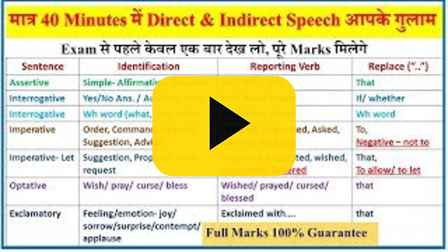
English Proficiency (15 marks) | Tenses Articles and Determiners Phrasal Verbs and Idioms Active & Passive Voice Coordination & Subordination Direct and Indirect Speech Antonyms & Synonyms Modals (expressing Obligation, Request, Permission, Prohibition, Intention, Condition, Probability, Possibility, Purpose, Reason, Contrast) |
Format
EXAM PATTERN
The Rajasthan Judicial Service (RJS) examination, commonly known as the Rajasthan Civil Judge exam, is conducted by the Rajasthan High Court to appoint candidates to the post of Civil Judge in the state’s judicial services.
Exam Structure
The Rajasthan Judiciary examination consists of three stages:
1. Preliminary Examination (Objective)
2. Mains Examination (Descriptive)
3. Interview
Preliminary Examination (Objective)
Type: Objective (Multiple Choice Questions – MCQs)
Exam Mode | Section | No of Question | Total Marks | Duration |
Offline (OMR-based) | Law | 100 | 100 | 120 Minute |
Language/Proficiency |
Mode: Offline (OMR-based)
Duration: 2 hours
Total Marks: 100
Number of Questions: 100 (1 mark each)
Negative Marking: None (No penalty for wrong answers)
Weightage:
Law subjects (from Prelims syllabus, aligned with Mains Law Papers I & II): 70%
Proficiency in Hindi & English (language knowledge, grammar, comprehension): 30%
Purpose: Qualifying/Screening stage. Candidates are shortlisted for Mains based on merit (cut-off varies; typically higher for General category).
Qualifying Nature: Marks not added to final merit; only for qualifying to Mains
Eligibility
ELIGIBILITY CRITERIA
The Rajasthan Judicial Service (RJS) examination, commonly known as the Rajasthan Civil Judge exam, is conducted by the Rajasthan High Court to appoint candidates to the post of Civil Judge in the state’s judicial services. The criteria primarily cover nationality, educational qualifications, age limit, language proficiency, physical and mental fitness, and number of attempts.
Nationality
The candidate must be a citizen of India.
Age Limit
A candidate must have attained the age of 21 years and must not have attained the age of 40 years.
Age Relaxation
5 years for candidates belonging to Scheduled Castes (SC), Scheduled Tribes (ST), Other Backward Classes (OBC), More Backward Classes (MBC), Economically Weaker Sections (EWS), and Women candidates.
10 years for Ex-Servicemen (if the age after relaxation exceeds 50 years, the upper limit is capped at 50 years).
5 years for Persons with Benchmark Disabilities (PwBD) — this is in addition to any other relaxation already applicable.
Note: Relaxation is admissible in only one category (no cumulative relaxation beyond the specified rules).
Educational Qualification
A candidate must hold a degree of Bachelor of Laws (Professional) [LL.B.] from any university established by law in India and recognized under the Advocates Act, 1961.
Candidates who have appeared or are appearing in the final year/final semester of LL.B. (Professional) are eligible to apply.
However, they must acquire the requisite qualification before the Main Examination and submit proof to the office of Registrar (Examination), Rajasthan High Court, Jodhpur, within 7 days of the Main Examination date.
Every candidate must possess thorough knowledge of Hindi written in Devnagari script and Rajasthani dialects and social customs of Rajasthan.
Physical Fitness
The candidate must be in good mental and physical health and free from any defect likely to interfere with the efficient performance of duties.
No appointment will be made unless the candidate is declared FIT by a medical authority notified by the Government (on recommendation of the recruiting authority).
Character
The candidate must be of good character and suitable for appointment to the service.
Requirements
A Good Character Certificate from the Principal/Academic Officer of the last attended university/college/school.
Two Good Character Certificates from responsible persons (not relatives or connected with the candidate's educational institution), issued not more than 6 months before the application date.
Disqualifications for Appointment
1. A person shall not be eligible for appointment or continuance in service if:
2. He/she has more than one living spouse.
3. He/she has been dismissed or removed from service by any High Court, Government, Statutory Body, or Local Authority.
4. He/she has been convicted of an offence involving moral turpitude.
5. He/she has been permanently debarred or disqualified from appearing in any examination/interview by any High Court, UPSC, or State PSC.
6. He/she has been found guilty of professional misconduct under the Advocates Act, 1961, or other laws.
7. He/she has more than two children born after the commencement of the Rajasthan Judicial Service Rules, 2010 (with exceptions for twins in a single subsequent delivery, disabled children from earlier deliveries, or children born within 280 days of rule commencement; no disqualification if no increase after the rules' start date or in case of remarriage without violation).
Note
1. The process follows the Rajasthan Judicial Service Rules, 2010 (as amended).
2. Some sources mention a possible 3-year practice requirement for Civil Judge (Junior Division) eligibility (based on Supreme Court directives in All India Judges Association cases, 2025), but the 2025 advertisement does not explicitly include it — confirm with the latest official notification on hcraj.nic.in if applying now (as of February 2026, the recruitment cycle is complete, with final results declared in late 2025).
3. Only Rajasthan state residents get full reservation benefits in reserved categories.
Schedule
IMPORTANT DATES
The Rajasthan Judiciary Notification 2026 is expected to be released soon. According to official notification 2025 the Preliminary Examination for the Rajasthan Judicial Service (RJS) Civil Judge 2025 was held on 27 July 2025, with admit cards issued on 9 July 2025. The Mains Examination took place on 11 and 12 October 2025.
Event | Date |
Notification Release Date | February 27, 2025 |
Application Starts Date | March 1, 2025 |
Last Date for Application | March 30, 2025 |
Prelims Exam Date | July 27, 2025 |
Prelims Results | August 19, 2025 |
Mains Exam Date | October 11, 2025 - October 12, 2025 |
Analysis
EXAM ANALYSIS
The RJS Prelims 2025 was generally assessed as Easy to Moderate, although some analyses rated it slightly higher because of the length of the paper. The questions were largely based on Bare Acts, fundamental legal concepts and simple application of statutory provisions. There were relatively few questions based directly on landmark judgments.
The paper was reported to be lengthy, particularly because of the number and wording of the options. Candidates who had practised sufficient mock tests and previous-year papers were better able to complete the paper within the two-hour duration.
CPC was one of the most prominent areas, with an estimated 13–15 questions. IPC contributed around 8–10 questions, while CrPC accounted for approximately 7–8 questions. The Evidence Act was another important area, with around 8–9 questions.
The paper also gave noticeable importance to Contract Law, Constitution, General Knowledge and Current Affairs, English and Hindi, and Rajasthan-specific/local laws. There was also a notable presence of questions from comparatively newer or minor laws, which was one of the surprise elements of the paper.
Overall, the Prelims rewarded candidates with strong Bare Act preparation and quick recall of statutory provisions. The absence of negative marking allowed candidates to attempt all questions, but the lengthy nature of the paper made time management important.
Study Tips
STUDY TIPS
To succeed in the Rajasthan Judicial Service (RJS) Civil Judge Examination, give strong emphasis to thorough study of Bare Acts, particularly for the Preliminary stage, and consistently practice answer writing for the Mains.
Prepare major laws such as CPC, CrPC, IPC, and the Evidence Act alongside improving your Hindi and English language skills. Regularly attempt mock tests and analyze previous year question papers to understand the exam pattern and strengthen your preparation.
Preparing for the Rajasthan Judicial Service (RJS) exam requires strong conceptual clarity, consistent revision, and effective answer-writing practice. Follow these proven study tips:
1. Master the Bare Acts
Read Bare Acts thoroughly and repeatedly.
Focus on understanding sections, provisos, and explanations.
Highlight important and frequently asked provisions.
2. Prepare Prelims & Mains Together
Don’t separate preparation for both stages.
Practice MCQs daily for Prelims.
Simultaneously improve descriptive answer-writing for Mains.
3. Focus on Core Law Subjects
Give priority to CPC, CrPC, IPC (BNS), Evidence Act, and Constitution.
Build strong fundamentals in family and property laws as well.
4. Strengthen Hindi & English
Practice essay writing, précis, translation, and grammar.
Improve vocabulary and sentence structure.
5. Solve Previous Year Papers
Analyze trends and repeated topics.
Understand the pattern and level of difficulty.
6. Attempt Regular Mock Tests
Take sectional and full-length mocks under exam conditions.
Analyze mistakes and revise weak areas.
7. Improve Answer Presentation (For Mains)
Follow a clear structure: Introduction – Legal Provisions – Analysis – Conclusion.
Quote relevant sections and case laws wherever possible.
8. Revise Regularly
Maintain short notes for quick revision.
Schedule weekly revision sessions.
STUDY PLANS
6 Month Study Plan
Month 1 – Build Strong Foundation
Start with major subjects: CPC, CrPC, IPC (BNS), Evidence Act, Constitution.
Read Bare Acts line by line and prepare short notes.
Begin daily MCQ practice for Prelims.
Start Hindi & English grammar basics.
Month 2 – Complete Core Subjects
Cover Contract Act, Torts, Transfer of Property Act, Specific Relief Act.
Continue Bare Act revision.
Practice 2–3 Mains answers daily.
Improve vocabulary and translation practice (Hindi/English).
Month 3 – Family & Minor Laws
Study Hindu Law, Mohammedan Law, and Rajasthan-specific laws.
Increase MCQ practice (topic-wise).
Start sectional mock tests.
Weekly revision of major laws.
Month 4 – Intensive Practice Phase
Attempt 2 sectional mocks per week (Prelims).
Write 3–4 structured answers daily for Mains.
Focus on presentation (headings, case laws, sections).
Revise language papers (essay, précis, translation).
Month 5 – Full-Length Mock Tests
Attempt 2–3 full-length Prelims mocks weekly.
Write at least 1 full Mains paper per week.
Analyze mistakes and improve weak areas.
Revise Bare Acts thoroughly.
Month 6 – Final Revision & Polishing
Quick revision of all major and minor subjects.
Go through Previous Year Question Papers.
Practice final mock tests in real exam conditions.
Prepare lightly for Interview (current legal issues, personality development).
Daily Study Plan (Suggested)
6–7 hours Law subjects
1–2 hours Hindi/English
1–2 hours MCQs or Answer Writing
1 day weekly only for revision
3 Month Study Plan
Month 1 – Major Laws & Strong Foundation
Revise core subjects: CPC, CrPC, IPC (BNS), Evidence Act, Constitution.
Read Bare Acts thoroughly and mark important sections.
Start daily MCQ practice (topic-wise).
Practice 2–3 Mains answers daily with proper structure.
Begin Hindi & English preparation (grammar, translation, essay basics).
Month 2 – Remaining Subjects & Practice
Cover Contract Act, Torts, Transfer of Property Act, Specific Relief Act, Hindu Law, Mohammedan Law, and Rajasthan-specific laws.
Solve Previous Year Question Papers (PYQs).
Attempt sectional mock tests for Prelims.
Improve answer-writing speed and presentation for Mains.
Weekly revision of major subjects.
Month 3 – Mock Tests & Final Revision
Attempt 2–3 full-length Prelims mocks per week.
Write at least 1 full Mains paper weekly.
Revise all Bare Acts and important case laws.
Strengthen Hindi & English (essay, précis, translation).
Focus on weak areas identified during mock analysis.
Daily Study Routine (Suggested)
5–6 hours Law subjects
1–2 hours Hindi/English
1–2 hours MCQs + Answer Writing
Weekly full revision session
1 Month Study Plan
Week 1 – Major Laws Revision
Revise CPC, CrPC, IPC (BNS), Evidence Act, and Constitution thoroughly.
Re-read important sections, provisos, and definitions from Bare Acts.
Solve daily MCQs (topic-wise).
Practice 3 structured Mains answers daily.
Week 2 – Remaining Subjects & Language
Revise Contract Act, Torts, Transfer of Property Act, Specific Relief, Hindu & Mohammedan Law, and Rajasthan-specific laws.
Practice Hindi & English (essay, précis, translation, grammar).
...
STUDY TIPS
To succeed in the Rajasthan Judicial Service (RJS) Civil Judge Examination, give strong emphasis to thorough study of Bare Acts, particularly for the Preliminary stage, and consistently practice answer writing for the Mains.
Prepare major laws such as CPC, CrPC, IPC, and the Evidence Act alongside improving your Hindi and English language skills. Regularly attempt mock tests and analyze previous year question papers to understand the exam pattern and strengthen your preparation.
Preparing for the Rajasthan Judicial Service (RJS) exam requires strong conceptual clarity, consistent revision, and effective answer-writing practice. Follow these proven study tips:
1. Master the Bare Acts
Read Bare Acts thoroughly and repeatedly.
Focus on understanding sections, provisos, and explanations.
Highlight important and frequently asked provisions.
2. Prepare Prelims & Mains Together
Don’t separate preparation for both stages.
Practice MCQs daily for Prelims.
Simultaneously improve descriptive answer-writing for Mains.
3. Focus on Core Law Subjects
Give priority to CPC, CrPC, IPC (BNS), Evidence Act, and Constitution.
Build strong fundamentals in family and property laws as well.
4. Strengthen Hindi & English
Practice essay writing, précis, translation, and grammar.
Improve vocabulary and sentence structure.
5. Solve Previous Year Papers
Analyze trends and repeated topics.
Understand the pattern and level of difficulty.
6. Attempt Regular Mock Tests
Take sectional and full-length mocks under exam conditions.
Analyze mistakes and revise weak areas.
7. Improve Answer Presentation (For Mains)
Follow a clear structure: Introduction – Legal Provisions – Analysis – Conclusion.
Quote relevant sections and case laws wherever possible.
8. Revise Regularly
Maintain short notes for quick revision.
Schedule weekly revision sessions.
STUDY PLANS
6 Month Study Plan
Month 1 – Build Strong Foundation
Start with major subjects: CPC, CrPC, IPC (BNS), Evidence Act, Constitution.
Read Bare Acts line by line and prepare short notes.
Begin daily MCQ practice for Prelims.
Start Hindi & English grammar basics.
Month 2 – Complete Core Subjects
Cover Contract Act, Torts, Transfer of Property Act, Specific Relief Act.
Continue Bare Act revision.
Practice 2–3 Mains answers daily.
Improve vocabulary and translation practice (Hindi/English).
Month 3 – Family & Minor Laws
Study Hindu Law, Mohammedan Law, and Rajasthan-specific laws.
Increase MCQ practice (topic-wise).
Start sectional mock tests.
Weekly revision of major laws.
Month 4 – Intensive Practice Phase
Attempt 2 sectional mocks per week (Prelims).
Write 3–4 structured answers daily for Mains.
Focus on presentation (headings, case laws, sections).
Revise language papers (essay, précis, translation).
Month 5 – Full-Length Mock Tests
Attempt 2–3 full-length Prelims mocks weekly.
Write at least 1 full Mains paper per week.
Analyze mistakes and improve weak areas.
Revise Bare Acts thoroughly.
Month 6 – Final Revision & Polishing
Quick revision of all major and minor subjects.
Go through Previous Year Question Papers.
Practice final mock tests in real exam conditions.
Prepare lightly for Interview (current legal issues, personality development).
Daily Study Plan (Suggested)
6–7 hours Law subjects
1–2 hours Hindi/English
1–2 hours MCQs or Answer Writing
1 day weekly only for revision
3 Month Study Plan
Month 1 – Major Laws & Strong Foundation
Revise core subjects: CPC, CrPC, IPC (BNS), Evidence Act, Constitution.
Read Bare Acts thoroughly and mark important sections.
Start daily MCQ practice (topic-wise).
Practice 2–3 Mains answers daily with proper structure.
Begin Hindi & English preparation (grammar, translation, essay basics).
Month 2 – Remaining Subjects & Practice
Cover Contract Act, Torts, Transfer of Property Act, Specific Relief Act, Hindu Law, Mohammedan Law, and Rajasthan-specific laws.
Solve Previous Year Question Papers (PYQs).
Attempt sectional mock tests for Prelims.
Improve answer-writing speed and presentation for Mains.
Weekly revision of major subjects.
Month 3 – Mock Tests & Final Revision
Attempt 2–3 full-length Prelims mocks per week.
Write at least 1 full Mains paper weekly.
Revise all Bare Acts and important case laws.
Strengthen Hindi & English (essay, précis, translation).
Focus on weak areas identified during mock analysis.
Daily Study Routine (Suggested)
5–6 hours Law subjects
1–2 hours Hindi/English
1–2 hours MCQs + Answer Writing
Weekly full revision session
1 Month Study Plan
Week 1 – Major Laws Revision
Revise CPC, CrPC, IPC (BNS), Evidence Act, and Constitution thoroughly.
Re-read important sections, provisos, and definitions from Bare Acts.
Solve daily MCQs (topic-wise).
Practice 3 structured Mains answers daily.
Week 2 – Remaining Subjects & Language
Revise Contract Act, Torts, Transfer of Property Act, Specific Relief, Hindu & Mohammedan Law, and Rajasthan-specific laws.
Practice Hindi & English (essay, précis, translation, grammar).
Attempt sectional mock tests.
Revise important case laws.
Week 3 – Full-Length Mock Practice
Attempt 2–3 full-length Prelims mock tests under exam conditions.
Write at least 1 full Mains practice paper this week.
Analyze mistakes and revise weak topics.
Improve answer presentation and time management.
Week 4 – Final Revision & Polishing
Quick revision of all Bare Acts and short notes.
Go through Previous Year Question Papers once again.
Focus on high-weightage topics.
Keep the last 3–4 days for light revision only.
Daily Study Strategy
6–7 hours Law subjects
1–2 hours Hindi/English
1–2 hours MCQs + Answer Writing
Short daily revision sessions
General info
OVERVIEW
The Rajasthan Judicial Service (RJS) examination, commonly known as the Rajasthan Civil Judge exam, is conducted by the Rajasthan High Court to appoint candidates to the post of Civil Judge in the state’s judicial services.
It is considered one of the most competitive and demanding examinations, evaluating a candidate’s legal knowledge, analytical ability, and suitability for judicial service. The Rajasthan High Court conducts this examination annually to fill Civil Judge vacancies. The selection process consists of three stages: Preliminary Examination, Mains Examination, and Interview.
Particulars | Description |
Exam Full Name | Rajasthan Judicial Service Exam (Rajasthan PCS J) |
Conducting Body | Rajasthan High Court |
Purpose of the Exam | Recruit various judicial service posts as Civil Judges in the Rajasthan |
Exam Level | State Level Exam |
Exam Date | Prelims - 27 July 2025 Mains - 11 to 12 october 2025 |
Official Website |
SELECTION PROCESS
The Rajasthan Civil Judge recruitment is conducted through a competitive examination for appointment to the Civil Judge Cadre. As per the Rajasthan High Court's recruitment scheme, the selection process consists of three stages: Preliminary Examination, Main Examination and Interview.
1. Preliminary Examination
The Preliminary Examination is an objective-type screening test. Candidates who meet the prescribed qualifying criteria are shortlisted for the Main Examination. The marks obtained in the Prelims are used for shortlisting and are not added to the final merit.
2. Main Examination
Candidates who qualify the Preliminary Examination are eligible to appear in the Main Examination. The Mains is a descriptive/written examination designed to assess candidates' legal knowledge, conceptual understanding, analytical ability and answer-writing skills.
Candidates must secure the prescribed minimum marks in the Main Examination to become eligible for the next stage.
3. Interview
Candidates who qualify the Main Examination are called for the Interview. The interview assesses the candidate's personality, general knowledge, legal awareness, communication skills and suitability for judicial service.
Final Selection
The final merit list is prepared on the basis of the marks obtained in the Main Examination and Interview, subject to fulfilment of all eligibility conditions and applicable rules. The Preliminary Examination is only a screening stage.
2026 exam
LATEST UPDATE
The Rajasthan Judiciary Notification 2026 is expected to be released soon. The official notification PDF will be available for download on the Rajasthan High Court website (https://hcraj.nic.in/hcraj/) once it is officially published. According to official notification 2025 the Preliminary Examination for the Rajasthan Judicial Service (RJS) Civil Judge 2025 was held on 27 July 2025, with admit cards issued on 9 July 2025. The Mains Examination took place on 11 and 12 October 2025. The final result of the Rajasthan Judicial Service (RJS) Civil Judge Examination 2025 was declared on 19 December 2025 by the Rajasthan High Court.
IMPORTANT DATES
The Rajasthan Judiciary Notification 2026 is expected to be released soon. The official notification PDF will be available for download on the Rajasthan High Court website (https://hcraj.nic.in/hcraj/) once it is officially published. According to official notification 2025 the Preliminary Examination for the Rajasthan Judicial Service (RJS) Civil Judge 2025 was held on 27 July 2025, with admit cards issued on 9 July 2025. The Mains Examination took place on 11 and 12 October 2025.
Event | Date |
Notification Release Date | February 27, 2025 |
Application Starts Date | March 1, 2025 |
Last Date for Application | March 30, 2025 |
Prelims Exam Date | July 27, 2025 |
Prelims Results | August 19, 2025 |
Mains Exam Date | October 11, 2025 - October 12, 2025 |
VACANCY DETAILS
The Rajasthan Judiciary Notification 2026 is expected to be released soon. Last time, Rajasthan High Court has officially declared the Rajasthan Judiciary Vacancy 2025, confirming a total of 44 posts. Below is the detailed vacancy distribution for the Rajasthan Judicial Service (RJS) Exam:
Year | Total Number of Vacancies | General | SC | ST | OBC | EWS | MBC | Persons with Benchmark Disabilities |
2025 | 44 | 17 Out of which, 5 posts for women. Out of 5 posts reserved for women, 01 post for Widow | 07 Out of which, 02 posts for women | 05 Out of which 02 posts for women | 09 Out of which 02 posts for women | 04 Out of which 01 post for woman |
LATEST UPDATE
The Rajasthan Judiciary Notification 2026 is expected to be released soon. The official notification PDF will be available for download on the Rajasthan High Court website (https://hcraj.nic.in/hcraj/) once it is officially published. According to official notification 2025 the Preliminary Examination for the Rajasthan Judicial Service (RJS) Civil Judge 2025 was held on 27 July 2025, with admit cards issued on 9 July 2025. The Mains Examination took place on 11 and 12 October 2025. The final result of the Rajasthan Judicial Service (RJS) Civil Judge Examination 2025 was declared on 19 December 2025 by the Rajasthan High Court.
IMPORTANT DATES
The Rajasthan Judiciary Notification 2026 is expected to be released soon. The official notification PDF will be available for download on the Rajasthan High Court website (https://hcraj.nic.in/hcraj/) once it is officially published. According to official notification 2025 the Preliminary Examination for the Rajasthan Judicial Service (RJS) Civil Judge 2025 was held on 27 July 2025, with admit cards issued on 9 July 2025. The Mains Examination took place on 11 and 12 October 2025.
Event | Date |
Notification Release Date | February 27, 2025 |
Application Starts Date | March 1, 2025 |
Last Date for Application | March 30, 2025 |
Prelims Exam Date | July 27, 2025 |
Prelims Results | August 19, 2025 |
Mains Exam Date | October 11, 2025 - October 12, 2025 |
VACANCY DETAILS
The Rajasthan Judiciary Notification 2026 is expected to be released soon. Last time, Rajasthan High Court has officially declared the Rajasthan Judiciary Vacancy 2025, confirming a total of 44 posts. Below is the detailed vacancy distribution for the Rajasthan Judicial Service (RJS) Exam:
Year | Total Number of Vacancies | General | SC | ST | OBC | EWS | MBC | Persons with Benchmark Disabilities |
2025 | 44 | 17 Out of which, 5 posts for women. Out of 5 posts reserved for women, 01 post for Widow | 07 Out of which, 02 posts for women | 05 Out of which 02 posts for women | 09 Out of which 02 posts for women | 04 Out of which 01 post for woman | 02 | Out of 44 vacancies, 02 posts for Persons with Benchmark Disabilities, out of which: • 01 post for (c) locomotor disability including cerebral palsy, leprosy cured, dwarfism, acid attack victims and muscular dystrophy; • 01 post for (d) autism, intellectual disability, specific learning disability and mental illness; • (e) multiple disabilities from amongst persons under clauses (a) to (d) including deaf-blindness in the posts identified for each disabilities. |
Backlog Vacancies of 2024 | - | 1 post for Ex-serviceman | - | - | - | - | - | 01 post for (b) deaf and hard of hearing; 01 post for (c) locomotor disability including cerebral palsy, leprosy cured, dwarfism, acid attack victims and muscular dystrophy; 01 post for (d) autism, intellectual disability, specific learning disability and mental illness; (e) multiple disabilities from amongst persons under clauses (a) to (d) including deaf-blindness in the posts identified for each disabilities. |
Backlog Vacancies of 2023 | - | - | - | - | - | - | - | 01 post for (b) deaf and hard of hearing; |
Backlog Vacancies of 2022 | - | - | - | - | - | - | - | 01 post for (b) deaf and hard of hearing; 01 post for (d) autism, intellectual disability, specific learning disability and mental illness; (e) multiple disabilities from amongst persons under clauses (a) to (d) including deaf-blindness in the posts identified for each disabilities. |
Horizontal Reservation for Persons with Benchmark Disabilities (PwBD):
Out of the total 44 vacancies, 2 posts are reserved for candidates with benchmark disabilities (from the newly added posts):
1 post is reserved for candidates with locomotor disabilities, including cerebral palsy, cured leprosy, dwarfism, acid attack victims, and muscular dystrophy.
1 post is reserved for candidates with autism, intellectual disability, specific learning disability, mental illness, or multiple disabilities, including deaf-blindness.
Note
Total effective vacancies: 44 new posts plus backlog vacancies (including some for PwBD and 1 for an Ex-serviceman). The number of posts may increase or decrease during the recruitment process, and no separate correction notice will be issued.
The reservation is horizontal, which means reservations for women, persons with disabilities, ex-servicemen, etc., are adjusted within their respective main categories.
Only residents of Rajasthan can avail the full benefit of reserved category quotas.
For more details or updates (such as Mains result, Interview schedule, etc.), visit the official websites: hcraj.nic.in or hcrajexam.nic.in.
SALARY STRUCTURE
The salary structure for the post of Civil Judge (Civil Judge Cadre / Judicial Magistrate) in the Rajasthan Judicial Service (RJS), as per the official advertisement (dated 27/02/2025) and the Rajasthan Judicial Service Rules, 2010 (as amended), is as follows:
Pay Scale: 77,840 – 1,36,520 (per month)
This is the entry-level pay scale for a newly appointed Civil Judge (Junior Division / Entry Level). It was revised effective from 01.01.2016, in compliance with the Supreme Court's order (dated 27.07.2022) in the All India Judges Association case and the Second National Judicial Pay Commission recommendations, applying a fitment factor/multiplier of 2.81 on the pre-revised scale (27,700 – 44,770).
Detailed Salary Structure
Designation / Stage | Pay Level | Pay Scale (Basic Pay) | Entry Basic Pay | Approximate In-Hand Salary (2026, with current DA 50%+, HRA, etc.) |
Civil Judge (Junior Division) – Entry Level | J-1 | 77,840 – 1,36,520 | 77,840 | 95,000 – 1,10,000+ (after deductions like PF, NPS, etc.) |
Civil Judge (Jr. Div.) – 1st Stage ACP (after 5 years) | J-2 | 92,960 – 1,36,520 | 92,960 | 1,10,000 – 1,30,000+ |
Civil Judge (Jr. Div. 2nd ACP) / Civil Judge (Senior Division) – Entry Level | J-3 | 1,11,000 – 1,63,030 | 1,11,000 | 1,30,000 – 1,60,000+ |
Civil Judge (Sr. Div.) – 1st Stage ACP | J-4 | 1,22,700 – 1,80,200 | 1,22,700 | 1,45,000 – 1,80,000+ |
Annual Increment: 3% cumulative (calculated on the previous basic pay, not fixed amount).
Key Allowances (admissible as per Rajasthan Government rules for judicial officers):
Dearness Allowance (DA): Linked to state/central rates (currently 50%+ as of 2026; revised periodically).
House Rent Allowance (HRA): 8–24% of basic pay (depending on posting city classification: X, Y, Z).
Transport Allowance (TA), Medical Allowance, Leave Travel Concession (LTC), etc.
Other perks: Government accommodation (or HRA in lieu), official vehicle, medical facilities, pension (under NPS for new entrants), gratuity, etc.
In-Hand Salary Estimate (for entry-level in 2026): Approximately 95,000 – 1,30,000+ per month (after standard deductions like 10% NPS, income tax, etc.). This increases significantly with DA revisions, promotions, and ACP stages.
HOW TO APPLY
The application process was entirely online through the official Rajasthan High Court website. The window was open from 1 March 2025 (1:00 PM) to 30 March 2025 (5:00 PM) for filling the form, and fee payment up to 31 March 2025 (5:00 PM). As of February 2026, the 2025 recruitment cycle is complete (Prelims, Mains, Interview held; final result declared in December 2025), so no new applications are possible for this cycle.
Step-by-Step Process to Apply Online
1. Visit the Official Website
Go to the Rajasthan High Court official website: https://hcraj.nic.in.
2. Navigate to Recruitment Section:
On the homepage, click on "Recruitment" or "Recruitments".
Look for the link: "Direct Recruitment to the Cadre of Civil Judge" or "Civil Judge Cadre".
Click on "Online Application Portal" or "Apply Online".
3. Registration (for New Users):
If you are a first-time applicant, click on "Register Now".
Enter basic details: Name, Date of Birth, Mobile Number, Email ID, etc.
Verify your mobile number via OTP (One-Time Password) sent to your registered number.
Create a Username (minimum 6 characters) and Password (7–15 characters, must include at least one numeric digit and one special character).
Complete registration. You will receive an SMS with your Username on the registered mobile number.
Note: Keep Username and Password safe—they are required for login, form filling, and future steps.
4. Login and Fill the Application Form:
After registration (or if already registered), login using your Username and Password.
Fill in all mandatory fields: Personal details, Educational qualifications, Category (General/SC/ST/OBC/EWS/MBC/PwBD/Ex-Servicemen/Women), Address, etc.
Upload scanned documents (in specified format/size):
Recent passport-size photograph.
Signature.
Category certificate (if applicable).
Other required proofs (e.g., LL.B. marksheets, disability certificate).
Carefully review all entered information—no changes are allowed after final submission.
5. Pay the Application Fee:
Proceed to payment after saving the form.
Fee (non-refundable):
General / OBC-CL / MBC-CL / Other State: 1500
Rajasthan OBC-NCL / MBC-NCL / EWS: 1250
Rajasthan SC / ST / Ex-Servicemen: 800
Persons with Benchmark Disabilities: 0 (Exempted)
Pay online via Net Banking, Debit/Credit Card, or through E-Mitra Kiosk / CSC centers.
Click "Save & Make Payment" or similar button.
6. Final Submission and Print:
After successful payment, click "Save" or "Submit" for final submission.
Download and print the application confirmation PDF (click "Print Application").
Save the PDF for your records.
Do NOT send any printout or documents to the Rajasthan High Court by post—online submission is sufficient.
EXAM CENTERS
The Rajasthan Judicial Services Examination will be held only in two major cities: Jodhpur and Jaipur.
These cities have been chosen because of their strategic location and easy accessibility for candidates from different parts of the state. Both centers have the necessary infrastructure and administrative facilities to smoothly conduct this important examination.
ADMIT CARD
According to official notification the admit card (also called Admission Card or Hall Ticket) for the Rajasthan Judicial Service (RJS) Civil Judge Cadre recruitment was released by the Rajasthan High Court in stages during the recruitment cycle.
Admit Card Details
Prelims Admit Card
Candidates can download it from hcraj.nic.in by logging in with their Username, Password, and Captcha.
Contained: Candidate's name, roll number, photo/signature, exam date, reporting time, exam center (primarily Jodhpur and Jaipur), instructions, etc.
Mains Admit Card
Candidates can download it from hcraj.nic.in by logging in with their Username, Password, and Captcha.
Downloaded similarly via the same portal/login credentials.
Interview Call Letter: Issued separately after Mains result for viva-voce at Rajasthan State Judicial Academy, Jodhpur.
Step-by-Step Process to download
1. Visit the official website: https://hcraj.nic.in (or the dedicated recruitment portal like http://103.203.137.249/cjc2025/index.php during the cycle).
2. Go to the Recruitment section > Civil Judge Cadre 2025 or Admit Card/Hall Ticket link.
3. Click on the relevant admit card notice (e.g., "Admission Card for Preliminary/Main Examination").
4. Login using your Username, Password (created during application), and Captcha code.
5. Download and print the admit card PDF.
6. Verify details: If any discrepancy, contact the exam helpline immediately.
Important Notes
Admit cards were not sent by post/email — candidates had to download them online.
Carry a printed copy + valid photo ID (Aadhaar, Voter ID, etc.) to the exam center.
No separate admit card for the final result stage (only merit list published).
Since the cycle ended in December 2025, the portal links for 2025 are likely archived/inactive. Check hcraj.nic.in > Recruitment > Archives or Results for final merit list, appointment orders, or any waiting list updates.
EXAM RESULT
According to official notification the final result for the Rajasthan Judicial Service (RJS) Civil Judge Cadre will be available only on official website, candidates can check their exam result directly from the official website.
How to Check the Result
1. Visit the official website: hcraj.nic.in
2. Go to the Recruitment or Latest Updates section.
3. Look for "Direct Recruitment to the Cadre of Civil Judge Final Result"
4. Download the PDF and search for your roll number (or check the merit list).
5. For marks statements or further details, refer to the same PDF or related notices on the site.
Exams News
RPSC 1st Grade Teacher Exam City Intimation Slip 2026 Released
RPSC has released the 1st Grade Teacher Exam City Intimation Slip 2026 on its official website. Candidates can check their exam city details at rpsc.rajasthan.gov.in. The admit card will be available from May 28, 2026...
| Posted On: 25 May, 2026 | |
| Read More | |
RPSC Rajasthan Police SI Exam 2026 – Admit Card, Dates & Schedule
Get complete details for RPSC Rajasthan Police Sub-Inspector & Platoon Commander Exam 2026. Know the exam dates, admit card release, exam city, schedule, and important instructions for candidates...
| Posted On: 26 Mar, 2026 | |
| Read More | |
RPSC AEN Admit Card 2026 Released In Online Mode
RPSC AEN Admit Card 2026 released for mains exam. Download hall ticket, check exam dates, selection process, and vacancy details here...
| Posted On: 20 Mar, 2026 | |
| Read More | |
RPSC RAS Mains 2023 Marks Released
RPSC has released the RAS Mains 2023 marks on its official website, rpsc.rajasthan.gov.in. Candidates can check and download their scores for the Rajasthan State and Subordinate Services exam...
| Posted On: 27 Mar, 2025 | |
| Read More | |
RPSC Increases Vacancies For RAS 2024 Recruitment
According to the latest update, the commission will now fill 1,096 vacancies, up from the previously stated 733...
| Posted On: 18 Feb, 2025 | |
| Read More | |
RPSC Librarian Grade 2 Admit Card 2024 Release Date Announced
Candidates who wish to appear for the Rajasthan Librarian written examination can refer to the official notice on RPSC's official website...
| Posted On: 07 Feb, 2025 | |
| Read More | |
RPSC RAS Prelims Answer Key 2024 Released In Online Mode
Candidates who wish to raise objections against any answers in the answer key can do so between February 3 and February 5 (until 12 am)...
| Posted On: 03 Feb, 2025 | |
| Read More | |
Online tests
Click
![]() |
![]() |
![]() |
|
Make learning fun with videos!

Aggregated videos
We spend time curating the best videos and playlists - so you don't have to!

Choose how you learn
Dont understand a topic ? We got you covered with your choice of creators